


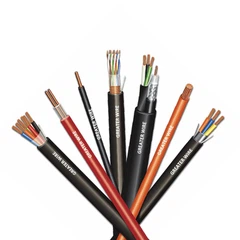
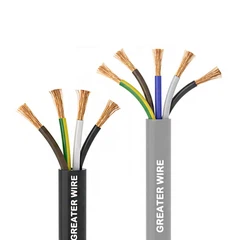
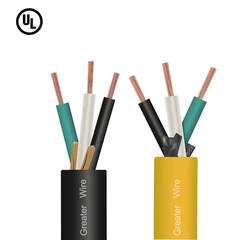
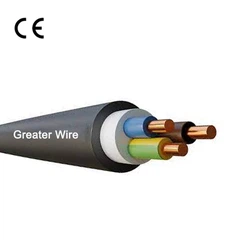

Copper MC electrical cable is widely used in commercial and industrial electrical installations due to its durability, safety, and ease of installation. However, one of the most frequently asked questions by electrical engineers, contractors, and project managers is whether Copper MC cable is suitable for wet locations. Understanding the moisture resistance of MC cable is essential for ensuring code compliance, system reliability, and long-term performance.
What Is Copper MC Electrical Cable?
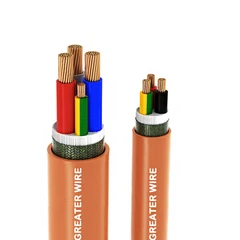
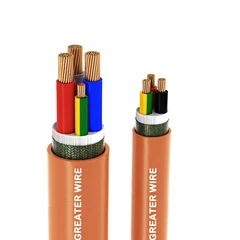
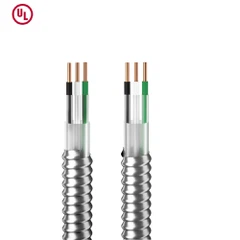
MC cable, also known as metal clad cable, is a factory-assembled electrical wiring product consisting of insulated conductors enclosed within a continuous metal armor. When copper conductors are used, the product is referred to as Copper MC cable or Copper MC wire.
Key Components of Copper MC Cable
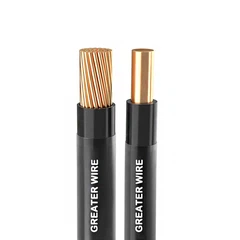
Copper Conductors: Provide excellent electrical conductivity, thermal stability, and corrosion resistance.
Conductor Insulation: Typically THHN, THWN, THWN-2, or XHHW-2 rated insulation.
Metal Armor: Usually aluminum or steel, offering mechanical protection and grounding continuity.
Grounding Path: Either an insulated grounding conductor or a combination of bonding strip and armor.
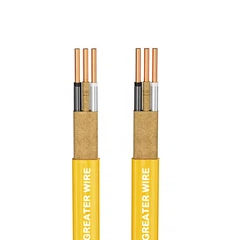
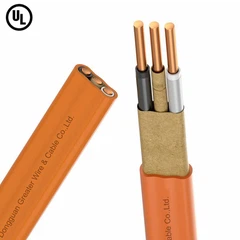
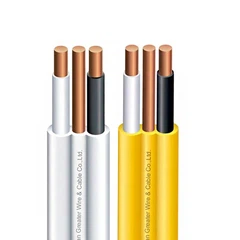
Compared to non-metallic cable (NM cable), MC cable offers superior mechanical protection and is suitable for a wider range of environments.

Understanding "Wet Locations" in Electrical Codes
Before determining whether Copper MC cable can be used in wet locations, it is important to understand how electrical codes define environmental conditions.
According to the National Electrical Code (NEC), a wet location is an area subject to saturation with water or other liquids. Examples include:
Underground installations
Outdoor locations exposed to weather
Concrete slabs in contact with the ground
Car washes and food processing areas
Certain sections of parking garages
Wet locations differ from damp locations, which are subject to moisture but not direct water exposure. Cable suitability depends heavily on this distinction.
Is Copper MC Cable Rated for Wet Locations?
The answer is yes-under specific conditions.
MC cable itself is not automatically rated for wet locations. Instead, wet-location suitability depends on the insulation type of the conductors and the overall cable construction.
Key NEC Requirements
The conductors inside the MC cable must be listed for wet locations
Common acceptable insulation types include:
THWN
THWN-2
XHHW-2
Standard THHN insulation alone is not rated for wet locations unless dual-rated with THWN or THWN-2.
Additionally, NEC permits MC cable to be installed in wet locations only when it is listed and marked accordingly.
Types of Copper MC Cable Designed for Wet Environments
Standard Copper MC Cable
Suitable for dry and damp locations
May be suitable for wet locations if conductors are THWN-2 or XHHW-2
Requires proper fittings and sealing
PVC-Jacketed MC Cable
Includes an additional moisture-resistant PVC outer jacket
Offers enhanced corrosion and moisture protection
Commonly used in underground or outdoor applications
Comparison of MC Cable Types
| MC Cable Type | Wet Location Suitability | Typical Application |
|---|---|---|
| Standard MC cable | Conditional | Indoor commercial |
| THWN-2 MC cable | Yes | Damp and wet areas |
| PVC-jacketed MC cable | Yes (enhanced) | Outdoor, underground |
PVC-jacketed metal clad cable provides the highest level of environmental protection among MC cable variants.
Installation Considerations in Wet Locations
Even when using wet-rated MC wire, proper installation is critical.
Best Practices
Use listed, watertight connectors
Seal terminations to prevent water migration
Ensure proper grounding and bonding
Avoid low points where water may accumulate
Follow manufacturer torque and bending specifications
Improper installation can compromise the moisture resistance of even the highest-quality MC cable.
Advantages of Copper MC Cable in Wet Locations
When properly selected and installed, Copper MC cable offers several benefits:
Superior conductivity compared to aluminum alternatives
Excellent mechanical protection from metal armor
Fire resistance due to metal cladding
Reduced conduit requirements in certain installations
Long service life in harsh environments
These advantages make Copper MC cable a preferred solution in many commercial and industrial wet-location applications.
Limitations and Risks
Despite its benefits, Copper MC cable has limitations:
Standard MC cable without proper insulation may not be suitable
Highly corrosive environments may require PVC-jacketed versions
Higher material cost compared to NM cable
Local AHJ requirements may impose additional restrictions
Understanding these limitations helps avoid costly redesigns or rework.
Typical Applications of Copper MC Cable in Wet or Moist Areas
Common applications include:
Parking structures
Mechanical rooms
Manufacturing plants
Outdoor-adjacent installations
Institutional and healthcare facilities
In these environments, metal clad cable provides a balance of safety, durability, and installation efficiency.

How to Choose the Right Copper MC Cable for Wet Locations
When selecting MC cable for wet environments, consider the following:
Confirm conductor insulation ratings
Choose PVC-jacketed MC cable when needed
Verify UL and NEC compliance
Consult manufacturers for technical guidance
Coordinate with inspectors early in the design phase
Correct selection ensures both performance and regulatory compliance.


Copper MC electrical cable can be suitable for wet locations when properly designed, rated, and installed. The key determining factors are conductor insulation type, cable listing, and adherence to NEC installation requirements.
By selecting the appropriate MC cable configuration-such as THWN-2 or PVC-jacketed metal clad cable-and following best installation practices, contractors and engineers can achieve safe, durable, and code-compliant electrical systems in wet environments.
For any project involving moisture exposure, always consult manufacturer specifications and local electrical codes to ensure optimal results.
Dongguan Greater Wire & Cable Co., Ltd. is a specialized manufacturer focused on UL-listed building wire and MC cable production for international markets. With in-house copper drawing, insulation extrusion, armoring, and final inspection, our factory ensures consistent quality, stable supply capacity, and full traceability for every batch of metal clad cable delivered to customers worldwide.
High-Conductivity Copper Core
Pure copper conductors ensure stable current transmission, lower voltage drop, and long-term electrical reliability.
THHN / THWN-2 Insulation System
The insulated conductors are rated for both dry and wet locations, allowing the MC cable to adapt to a wider range of installation environments.
Integrated Grounding Design
The dedicated ground wire simplifies grounding requirements and improves overall system safety.
Metal Armor Protection
Aluminum metal cladding protects the internal conductors from physical damage while maintaining flexibility during bending and routing.
UL & NEC Compliance
Manufactured in accordance with UL 1569 standards, this MC cable is suitable for NEC-compliant commercial and industrial wiring projects.
📞 Contact the Manufacturer Directly
For technical details, quotations, or project support, please contact us:
📱 WhatsApp / Phone: +86 135 1078 4550 | +86 136 6257 9592
📧 Email: manager01@greaterwire.com
🏭 Factory Address: Building 2, Huiyuanjia Science & Technology Park, Luxi 2nd Road, Liaobu Town, Dongguan, China