





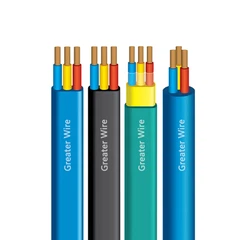
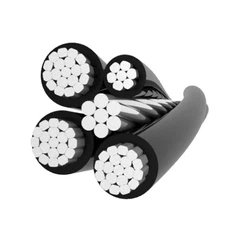
Choosing the right industrial cable is essential for electrical safety, installation efficiency, and long-term system reliability. Two common options in North American industrial installations are TC-ER cable and MC cable. Although both can be used in certain industrial power and control applications, their constructions, mechanical protection, and permitted wiring methods differ.
For electrical contractors, equipment manufacturers, distributors, and procurement teams, understanding these differences helps prevent unsuitable substitutions and unnecessary installation costs.
This guide compares TC-ER and MC cable, explains where each type may be appropriate, and provides practical selection considerations for industrial facilities, power distribution projects, and demanding operating environments.
1. What Are TC-ER Cable and MC Cable?
Before comparing their advantages, it is important to understand how each cable type is constructed and what its designation means.
What Is TC-ER Cable?
TC-ER stands for Tray Cable–Exposed Run. It is a type of tray cable that is specifically listed and marked for qualifying exposed-run applications under applicable North American electrical requirements.
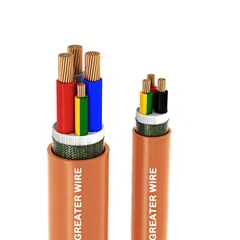
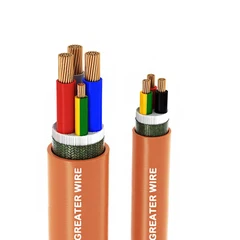
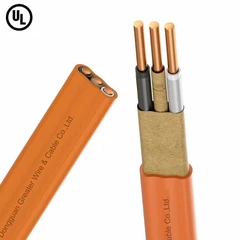
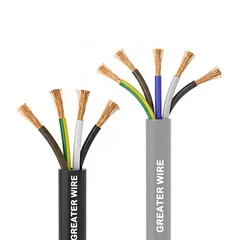
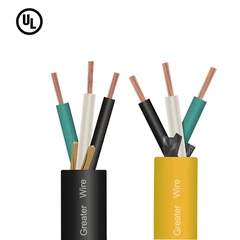
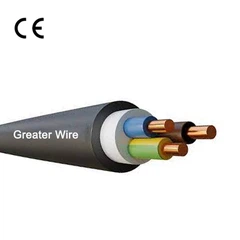
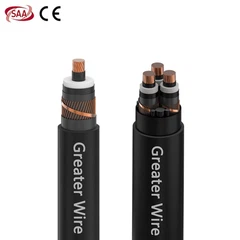
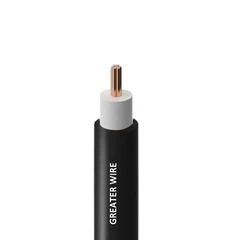
A typical TC-ER cable consists of insulated conductors assembled beneath an outer protective jacket. Depending on the product design, it may also include fillers, shielding, binding materials, and an equipment grounding conductor.
Common features include:
Copper conductors in different sizes and configurations.
Insulation materials such as PVC or XLPE, depending on the construction.
Optional shielding for applications where electromagnetic interference is a concern.
An outer jacket designed to meet specified environmental and mechanical requirements.
Product markings and ratings that identify its permitted use.
TC-ER cable is commonly used in industrial control systems, cable trays, machinery connections, and qualifying exposed wiring installations.
Its exposed-run designation does not mean it can be installed without restrictions. The cable must be listed for the intended application, and installation must comply with the applicable National Electrical Code (NEC) provisions and local requirements.
What Is MC Cable?
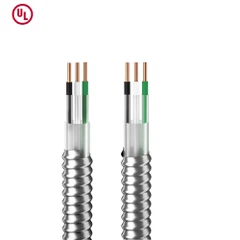
MC stands for Metal-Clad. MC cable incorporates insulated conductors within a metallic armor construction designed for its intended wiring application.
Depending on the product, MC cable may include an equipment grounding conductor, additional grounding components, or other construction features required by its listing.
Typical characteristics include:
Metallic armor that provides a distinct form of mechanical protection.
Insulated conductors available in different sizes and configurations.
Construction options for different electrical and environmental requirements.
Suitability for specific exposed, concealed, or other permitted wiring applications, depending on the product and applicable code.
MC cable is used in a variety of commercial and industrial electrical installations. However, not every MC cable is suitable for every environment or installation method.
For example, resistance to corrosion, moisture, oil, sunlight, and physical damage depends on the specific construction and product approval. Metallic armor alone does not establish suitability for every demanding industrial condition.

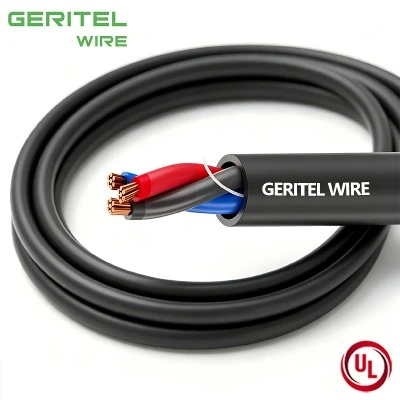
2. TC-ER vs MC Cable: Key Differences
The main difference between TC-ER and MC cable is their construction and the wiring methods for which they are approved.
TC-ER cable generally relies on insulated conductors and a protective outer jacket, while MC cable incorporates metallic armor. This distinction affects mechanical protection, handling, routing, and the types of installations for which each product may be selected.
| Comparison factor | TC-ER cable | MC cable |
|---|---|---|
| Basic construction | Insulated conductors under an outer protective jacket | Insulated conductors protected by metallic armor |
| Mechanical protection | Depends on the cable's construction and listing | Metallic armor provides a distinct mechanical protection layer |
| Installation methods | Approved cable-tray installations and qualifying exposed runs | Wiring methods permitted by the specific MC listing and applicable code |
| Routing and handling | Often convenient for suitable industrial tray and equipment connections | Handling depends on armor construction and cable size |
| Electromagnetic interference | Shielding may be available in selected designs | Shielding and armor characteristics depend on the particular product |
| Environmental resistance | Depends on insulation, jacket, and product ratings | Depends on armor, insulation, jacket, and product ratings |
| Typical applications | Industrial cable trays, control wiring, and qualifying exposed runs | Commercial and industrial branch circuits, feeders, and other permitted wiring applications |
| Selection priority | Verify TC-ER qualification and exposed-run conditions | Verify MC classification, armor construction, and installation requirements |
Neither cable type is universally superior. The right choice depends on the electrical system, required mechanical protection, installation conditions, and applicable code.
3. Mechanical Protection: When Does It Matter?
Mechanical protection is often one of the most important factors when comparing TC-ER and MC cable.
TC-ER Cable: Jacket-Based Protection
TC-ER cable uses an outer jacket and a construction designed to meet the applicable product requirements. Certain products are evaluated for specified impact, crush, and other mechanical performance criteria associated with their intended exposed-run use.
Potential advantages include:
Convenient routing in suitable cable-tray installations.
A construction that can be easier to handle than some armored cables.
Availability in multicore and shielded configurations.
Suitability for certain connections between trays and industrial equipment.
However, the jacket should not be treated as equivalent to metallic armor in every mechanical environment. The cable's documented performance and the risk of physical damage must be considered.
MC Cable: Metallic Armor
MC cable incorporates metallic armor around the insulated conductors. This provides a mechanical barrier that can be valuable in installations where the wiring method requires or benefits from armored construction.
Potential advantages include:
Additional protection against certain forms of physical damage.
Suitability for specific commercial and industrial wiring methods.
Availability in constructions designed for different installation conditions.
Armor does not make a cable indestructible. The level of protection depends on the armor design, cable construction, installation practices, and product listing.
Practical selection tip: If the wiring is exposed to possible impact, abrasion, or other physical hazards, evaluate the actual level of protection required instead of assuming that either cable type is automatically suitable.

4. Installation Requirements and Code Compliance
Cable selection is not determined by construction alone. The intended wiring method and the applicable electrical code are equally important.
TC-ER Installation Considerations
TC-ER cable can be used in qualifying cable-tray installations and certain exposed runs where permitted by the applicable code and product listing.
Before installation, verify:
The cable carries the appropriate Type TC-ER identification.
The installation complies with the relevant NEC provisions.
Required support and securing conditions are met.
The cable is suitable for the environmental conditions.
Any additional protection required by the installation is provided.
The exposed-run designation does not automatically authorize installation in every raceway, hazardous location, outdoor environment, or direct-burial application.
MC Installation Considerations
MC cable must also be installed according to its listing, the manufacturer's instructions, and applicable electrical code requirements.
Important considerations include:
The type of MC cable and its intended use.
The permitted installation environment.
Correct connectors, fittings, and terminations.
Grounding and bonding requirements.
Protection against corrosion, moisture, or other environmental hazards.
The armor and associated fittings must be compatible with the cable's approved wiring method.
Which Is Easier to Install?
Installation efficiency depends on cable size, routing distance, support arrangements, fittings, and site conditions.
TC-ER may simplify certain cable-tray and exposed-run installations when its listing permits the intended method. MC cable may be advantageous where a metal-clad wiring method is specified or where its armor provides a useful mechanical barrier.
There is no universal installation-cost winner. Contractors should compare the complete installation, including labor, fittings, supports, grounding requirements, and any additional protection.
5. Electrical Performance and Cable Construction
Both TC-ER and MC cable are available in different conductor sizes, insulation systems, and electrical ratings. Their names alone do not establish their current-carrying capacity or suitability for a particular circuit.
Conductor Material and Size
Copper is commonly used because of its electrical conductivity and suitability for industrial wiring. The required conductor size depends on the load, allowable voltage drop, circuit protection, installation conditions, and applicable electrical code.
When comparing products, verify the conductor size and construction rather than relying on the overall cable diameter.
Insulation and Temperature Ratings
Insulation materials vary by product. PVC and XLPE are examples of materials used in certain industrial cable constructions, but the available options differ between product families.
The temperature rating of the complete cable must be confirmed from its markings and technical documentation. A higher insulation temperature rating does not automatically mean that the circuit can carry more current under every installation condition.
Shielding and Signal Integrity
Shielding may be important where cables carry sensitive signals or operate near motors, variable-frequency drives, and other sources of electromagnetic interference.
Shielded TC-ER cable is available in suitable product designs. MC cable construction and shielding options vary by product, so buyers should check the technical datasheet instead of assuming that metallic armor provides all the signal-shielding performance required.
For either cable type, proper routing, separation from noise sources, and grounding practices remain important.
6. Typical Applications: Which Cable Should You Choose?
The most suitable cable depends on the wiring method, electrical load, mechanical hazards, and environmental conditions.
Industrial Cable Trays and Exposed Equipment Connections
TC-ER cable is often a practical option for qualifying cable-tray installations and exposed connections to industrial equipment.
It may be appropriate where the project requires multiple conductors under one jacket and the product's listing permits the intended installation.
MC cable may also be suitable for certain industrial applications, but the specific wiring method and project specification must allow its use.
Commercial Buildings and Branch Circuits
MC cable is widely used in qualifying commercial and industrial branch-circuit and feeder installations. Its metallic armor can be useful where the selected wiring method calls for an armored cable construction.
TC-ER cable should not be substituted solely because its voltage and conductor size appear similar. Its permitted use must match the wiring method specified by the design and applicable code.
Machinery and Control Systems
TC-ER cable can be suitable for fixed control wiring and certain equipment connections where its ratings and listing meet the application requirements.
MC cable may be appropriate where the machine or facility design specifies an approved metal-clad wiring method.
For moving machine components, repeated-flex applications, or robotic equipment, neither ordinary TC-ER nor standard MC cable should be assumed suitable without checking the product's intended use.
Outdoor and Demanding Environments
Outdoor and industrial environments may involve sunlight, moisture, oils, chemicals, corrosion, or physical hazards.
Neither TC-ER nor MC automatically provides every environmental rating. The exact product must be selected according to its markings, published ratings, and applicable installation requirements.
Where the project involves hazardous locations, corrosive process areas, or specialized industrial conditions, the cable and its associated wiring method must be specifically approved for that use.
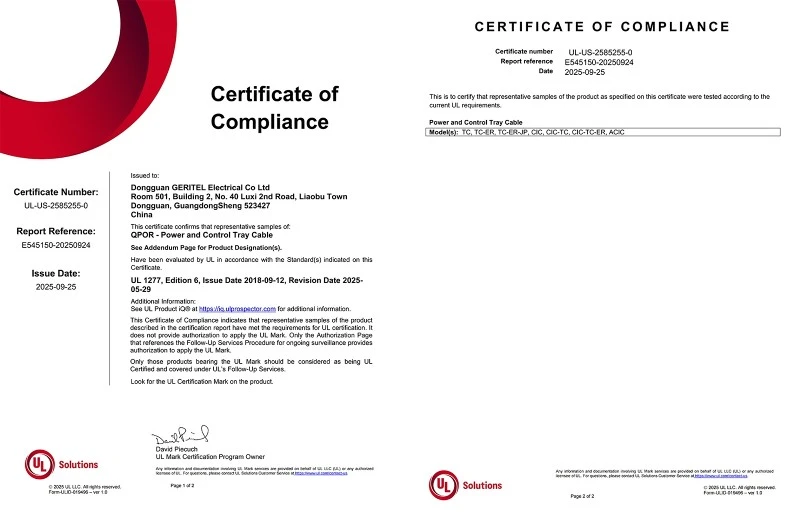
7. Considerations for Power Distribution and Heavy Industry
Cable selection becomes particularly important when a project involves larger electrical loads, complex industrial infrastructure, or harsh operating conditions.
Electrical Power Cable
The term Electrical Power Cable covers a broad range of products used to distribute electrical energy. TC-ER and MC are specific cable types with distinct construction and installation requirements; neither designation by itself establishes suitability for every power distribution application.
When specifying an electrical power cable, consider voltage, current, conductor size, insulation rating, short-circuit requirements, environmental exposure, and the approved wiring method.
For higher-voltage or specialized power distribution systems, other cable types may be required.
Medium Power Cable Systems
In Medium Power Cable Systems, selection should be based on the actual system voltage, load, installation conditions, and applicable cable standards.
The phrase "medium power" does not identify a single standardized cable classification. Buyers should specify the actual voltage and electrical requirements rather than relying on a general application label.
TC-ER and MC should only be considered where their ratings and approved uses are appropriate for the particular system.
Industrial Power Wiring
Industrial Power Wiring may involve cable trays, equipment connections, distribution circuits, and control systems throughout a manufacturing facility.
TC-ER cable may be suitable for certain qualifying tray and exposed-run applications, while MC cable may be suitable for other permitted wiring methods. The installation design should determine the cable type, rather than assuming that one is universally better for industrial use.
Electrical Infrastructure Cable
For Electrical Infrastructure Cable projects, including large facilities and utility-related installations, procurement teams should define the required voltage class, conductor material, insulation system, environmental ratings, and installation method.
TC-ER and MC serve particular wiring applications and should not be treated as universal substitutes for specialized feeder, utility, or higher-voltage power cables.
8. Special Considerations for Oil, Gas, and Refinery Facilities
Oil and gas facilities can involve demanding electrical environments, including hydrocarbons, corrosive substances, high temperatures, vibration, and potentially explosive atmospheres.
Cable selection must consider both the cable's physical performance and the approval requirements of the installation location.
Oil and Gas Electrical Cable
For Oil and Gas Electrical Cable applications, buyers should evaluate chemical compatibility, temperature, moisture, sunlight, mechanical protection, and any hazardous-location requirements.
A cable's oil-resistance claim should be supported by the applicable product markings or manufacturer documentation. The term "industrial cable" alone does not establish suitability for exposure to petroleum products or other chemicals.
TC-ER or MC may be appropriate for certain facility wiring applications, but the actual cable type and installation method must be permitted for the specific location.
Refinery Cable Systems
Refinery Cable Systems may include process control circuits, motor connections, instrumentation, power distribution, and auxiliary equipment wiring.
These applications may require different cable constructions and approval levels. In hazardous locations, the complete wiring method, including cable, fittings, seals, and installation practices, must comply with applicable requirements.
Project teams should review the electrical design, site classification, equipment instructions, and relevant local codes before approving a cable substitution.
9. TC-ER vs MC Cable: A Practical Selection Checklist
Use the following checklist when comparing quotations or preparing an industrial cable specification.
Confirm the wiring method. Determine whether the installation requires Type TC-ER, MC, or another approved cable type.
Identify the electrical requirements. Confirm voltage, conductor size, load, temperature rating, and grounding requirements.
Assess mechanical risks. Determine whether jacket-based protection is adequate or metallic armor is required.
Review the environment. Check moisture, sunlight, oil, chemicals, corrosion, and temperature exposure.
Evaluate shielding needs. Identify sensitive signals and potential electromagnetic interference.
Verify product approvals. Review the cable markings, listing, datasheet, and applicable code requirements.
Compare total installation cost. Include cable, connectors, supports, labor, grounding, and any additional protection.
Confirm project requirements. Check the specifications and obtain approval from the responsible electrical designer or authority where necessary.
For North American projects, the National Electrical Code and the cable's actual listing determine the permitted wiring method. A product's construction or appearance alone is not sufficient evidence that it can replace another cable type.
10. Final Recommendation
TC-ER and MC cable serve different purposes, and the right choice depends on the installation rather than on a simple comparison of price or mechanical appearance.
Choose TC-ER when the project calls for a qualifying tray cable and the specific exposed-run installation is permitted. Consider MC when an approved metal-clad wiring method or its particular mechanical protection characteristics are required.
For either type, verify conductor size, insulation and jacket ratings, environmental suitability, grounding, and product approvals before ordering. Where project conditions are unusual or demanding, consult the cable manufacturer and the responsible electrical design professional.

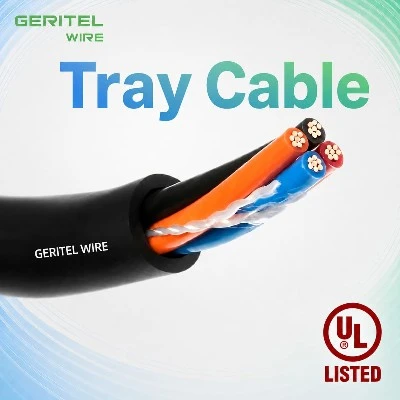
11. Find the Right Cable Solution with GERITEL WIRE
GERITEL WIRE supports B2B buyers sourcing electrical wire and cable for industrial facilities, equipment manufacturing, and power distribution projects. Whether you are comparing TC-ER and MC cable for cable-tray installations, machinery connections, or demanding industrial environments, our team can help you review conductor requirements, insulation options, shielding, and applicable product specifications. We understand that reliable cable selection starts with matching the product to the actual wiring method and operating conditions. Contact GERITEL WIRE to discuss your project requirements, request technical information, or obtain a quotation for your next cable procurement project.
Dongguan Greater Wire & Cable Co., Ltd.
Tel/WhatsApp/Wechat: +86 136 6257 9592
Tel/WhatsApp/Wechat: +86 135 1078 4550
Email: manager01@greaterwire.com
Website: www.greaterwire.com
Make the recommendation easier to scan