

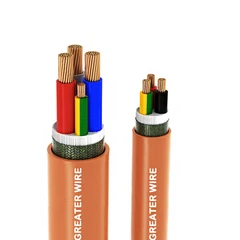
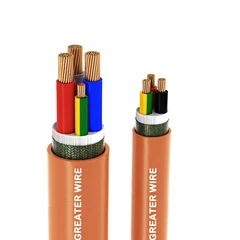

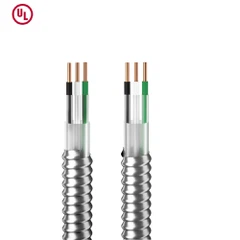
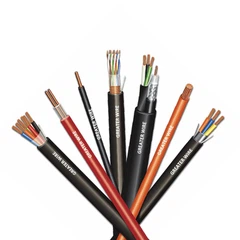
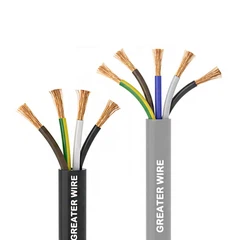
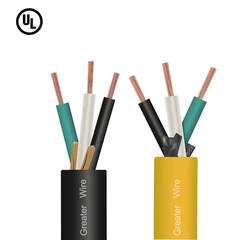
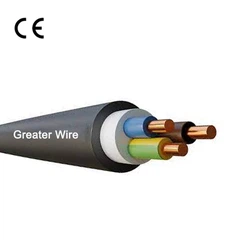
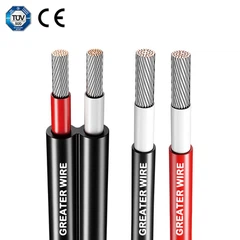

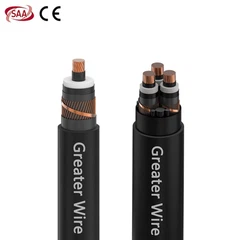
STA power cable is the abbreviation for steel tape armored cable. Steel tape armored is a protection method for cables or transmission lines, which involves adding an armor layer made of steel strips on the outer layer of the cable or transmission line to form an external force protection and protection system. STA power cables have strong mechanical strength and wear resistance, making them suitable for various harsh environments. For example, when laid underground, they can withstand certain pressure, protect cables from external substances, and improve the service life of cables.

SWA power cable is the abbreviation for steel wire armed cable. The characteristic of this cable lies in its armor layer, with steel wire armoured as a reinforcing material to improve the mechanical strength and protection level of the cable. The armor layer can be made of one or more twisted steel wires or aluminum wires (generally, the armor of a single core steel wire armored cable is made of non-magnetic aluminum wire material, while the armor of a two core or more armored cable is made of steel wire material, such as aluminum wire for a 25mm steel wire armored cable and steel wire for a 3-core 16mm swa cable), used to increase the tensile and wear resistance of the cable, especially in some application scenarios that require high tensile strength. SWA cables perform well. In addition, the armor layer can provide additional protection, enhance the durability of the cable, and make it more suitable for use in harsh environmental conditions. Swa armored cables are commonly used in power and communication overhead lines, among which SWA specifically refers to cables that use steel wire as armor material. The selection of this material makes the cable have good tensile performance and certain resistance to external pressure and impact.

Whether it is a swa cable or a sta cable, they both belong to armored cables and are generally buried underground as cables. They can withstand certain pressure, protect cables from external substances, and improve the service life of cables. They all have strong mechanical properties and durability, so they are commonly used in fields such as industry, petrochemicals, aerospace, subway, mining, and communication. Under specific circumstances, armed cables exhibit high reliability and stability