

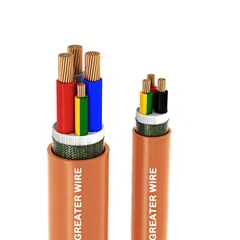
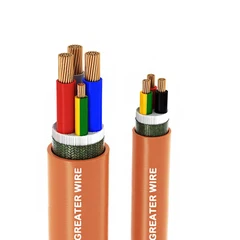

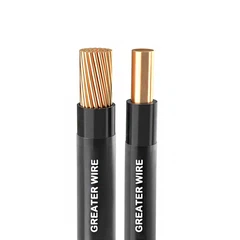
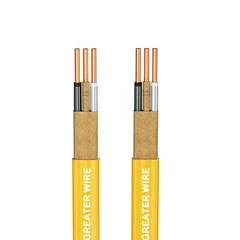
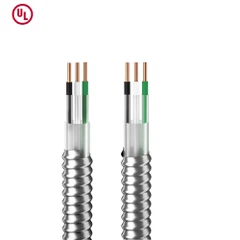
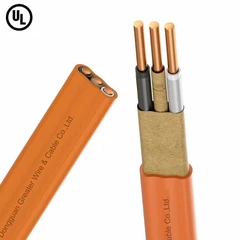
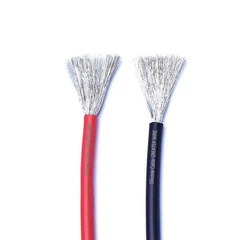
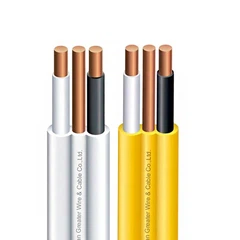
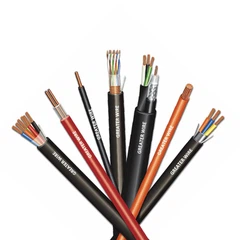
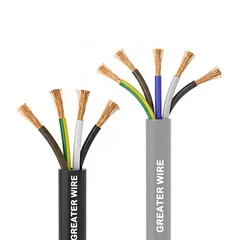
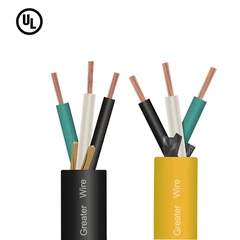
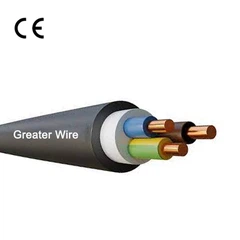
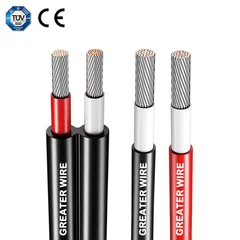

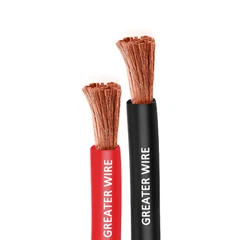
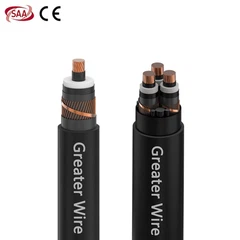
When specifying industrial cable for a North American electrical project, understanding conductor insulation types is essential. THHN/THWN-2 and XHHW-2 are two common insulation designations used in electrical wiring, but they differ in insulation construction, material characteristics, and certain application considerations.
For buyers evaluating NEC TC-ER Cable, the key question is not simply which insulation type is better. It is whether the complete cable assembly meets the project's electrical, environmental, installation, and certification requirements.
This guide compares THHN/THWN-2 and XHHW-2, explains how they relate to tray cable construction, and outlines what electrical contractors, equipment manufacturers, distributors, and procurement teams should verify before ordering cable.


1. What Are THHN/THWN-2 and XHHW-2?
THHN/THWN-2 and XHHW-2 are conductor insulation designations used in North American electrical wiring. They describe characteristics of the insulated conductors, rather than independently identifying a complete tray cable assembly.
THHN/THWN-2
THHN stands for Thermoplastic High Heat-resistant Nylon-coated. THWN refers to Thermoplastic Heat and Water-resistant Nylon-coated. Many conductors carry both THHN and THWN-2 markings, indicating that they meet the applicable requirements for both designations.
A typical THHN/THWN-2 conductor uses thermoplastic insulation, commonly PVC-based, with a nylon outer layer. The exact construction and performance depend on the product specification.
The THWN-2 designation indicates suitability for wet-location use at a conductor temperature rating of 90°C under the applicable requirements. THHN is generally associated with a 90°C dry-location rating. When both designations are marked, the applicable conditions and ratings should be verified from the product documentation.
XHHW-2
XHHW stands for Cross-Linked High Heat-resistant Water-resistant. XHHW-2 conductors typically use cross-linked polymer insulation, commonly cross-linked polyethylene (XLPE).
The "-2" suffix indicates a 90°C conductor temperature rating for both wet and dry locations under the applicable requirements.
Cross-linked insulation has a chemically cross-linked structure that provides different thermal and mechanical characteristics from conventional thermoplastic insulation. The specific resistance to chemicals, abrasion, sunlight, and other environmental conditions depends on the actual product construction and testing.
Why the Difference Matters
The insulation designation helps engineers evaluate conductor properties, but it does not by itself confirm that the cable is approved for cable-tray installation or exposed runs.
For a complete TC-ER Cable product, the cable assembly must meet the applicable construction, testing, and listing requirements. Buyers should therefore evaluate both the conductor insulation and the complete cable's certification.
2. THHN/THWN-2 vs XHHW-2: Key Differences
The following table summarizes common characteristics. Actual performance depends on the specific conductor and cable design.
| Feature | THHN/THWN-2 | XHHW-2 |
|---|---|---|
| Typical insulation construction | Thermoplastic insulation, commonly PVC-based, with nylon coating | Cross-linked polymer insulation, commonly XLPE |
| 90°C dry rating | THHN designation generally indicates 90°C dry | XHHW-2 indicates 90°C wet and dry |
| 90°C wet rating | Provided by the THWN-2 designation when marked and qualified accordingly | Provided by the XHHW-2 designation when marked and qualified accordingly |
| Insulation structure | Thermoplastic | Thermoset, cross-linked polymer |
| Material characteristics | Nylon coating can provide useful surface protection; performance depends on construction | Cross-linked insulation offers different thermal and mechanical characteristics |
| Typical selection considerations | Familiar construction, conductor dimensions, installation requirements, and product availability | Insulation properties, wet/dry rating, conductor dimensions, and product availability |
| TC-ER approval | Must be verified for the complete cable assembly | Must be verified for the complete cable assembly |
Neither insulation designation automatically makes a cable better for every industrial application. The best choice depends on the required performance, cable design, applicable code, and project conditions.

3. Insulation Construction: Thermoplastic vs Cross-Linked Polymer
One of the main differences is how the insulation material responds to heat and mechanical stress.
THHN/THWN-2: Thermoplastic Insulation
Thermoplastic insulation softens when heated and hardens when cooled, within the behavior and limits of the specific material. In typical THHN/THWN-2 construction, the nylon coating provides an additional outer layer.
This design is widely used in North American building and industrial wiring. Depending on the conductor product, the construction can offer practical advantages in handling, dimensions, and compatibility with established wiring methods.
However, the insulation designation alone does not establish every chemical-resistance, abrasion, or environmental property. Check the manufacturer's technical data for the actual conductor and application.
XHHW-2: Cross-Linked Insulation
Cross-linked insulation has a polymer structure in which chemical or physical cross-links alter the material's response to heat and stress. Typical XHHW-2 conductors use XLPE insulation.
This construction can provide useful thermal and mechanical characteristics in suitable applications. XHHW-2 is commonly specified where its 90°C wet/dry rating and insulation properties align with the design requirements.
However, XHHW-2 does not automatically guarantee superior performance in every category. The complete cable's flexibility, diameter, chemical resistance, and environmental suitability depend on the specific construction and test results.
What Should Buyers Compare?
When comparing the two types, review:
Insulation material and conductor size.
Overall cable diameter and flexibility.
Required wet- and dry-location ratings.
Operating temperature and terminal limitations.
Chemical, oil, sunlight, and abrasion requirements, where applicable.
Product certifications and complete cable markings.
These details are more useful than choosing a cable based on its insulation designation alone.
4. Understanding the 90°C Temperature Rating
Both THWN-2 and XHHW-2 can carry a 90°C wet-location rating when properly marked and qualified. THHN alone is generally associated with a 90°C dry-location rating.
However, a 90°C rating does not mean the conductor can always carry the maximum current associated with that temperature.
Allowable ampacity depends on conductor size, insulation type, ambient temperature, the number of current-carrying conductors, installation conditions, and the applicable electrical code. Equipment terminals and connected devices may also impose lower temperature limitations.
For example, a cable containing 90°C-rated conductors may still require ampacity calculations based on terminal temperature limitations or other applicable code provisions.
When specifying cable, verify the complete product ratings and consult the applicable NEC requirements rather than relying on the temperature designation alone.

5. How Do These Insulation Types Relate to TC-ER Cable?
TC-ER stands for Tray Cable–Exposed Run. It identifies a cable type and a qualification for certain exposed-run applications under the applicable North American electrical code provisions.
A complete tray cable assembly may contain multiple insulated conductors, an equipment grounding conductor, fillers, shielding, and an outer jacket. The conductor insulation type is only one element of that assembly.
The Role of UL 1277
UL 1277 is a standard covering electrical power and control tray cables. A cable intended to be supplied as a listed TC or TC-ER product must meet the applicable requirements for its product type and certification.
The use of THHN/THWN-2 or XHHW-2 conductor insulation does not, by itself, demonstrate compliance with UL 1277. The complete cable assembly must have the appropriate listing and markings for the intended application.
When reviewing a product, look for the actual cable type marking, certification information, voltage rating, temperature rating, conductor details, and applicable environmental qualifications.
What Does NEC Article 336 Cover?
NEC Article 336 Cable is a useful search phrase for buyers researching Type TC cable, but Article 336 is the National Electrical Code article addressing power and control tray cable-not a separate conductor insulation type.
The applicable provisions establish where and how Type TC cable may be installed, subject to the edition adopted by the jurisdiction and any relevant exceptions or conditions.
TC-ER cable has additional qualification for certain exposed runs. The permission to use a particular cable depends on its actual listing, installation conditions, and applicable code requirements.
Why the Complete Assembly Matters
A cable can contain conductors with a particular insulation designation without automatically qualifying as a listed TC-ER assembly. The outer jacket, conductor arrangement, grounding construction, assembly testing, and other design elements also matter.
For procurement purposes, ask the manufacturer to confirm that the exact product meets the required cable type and installation classification.
6. What Should You Look for in the UL Industrial Cable Standard?
The phrase UL Industrial Cable Standard is a useful general search term, but it does not identify one universal standard for every industrial cable. Different cable types are evaluated under different standards, depending on their intended use and construction.
For tray cable, UL 1277 is a key standard to investigate. However, buyers should verify the actual certification applicable to the particular product rather than assuming that every industrial cable uses the same standard.
When evaluating a product, confirm the following:
Cable type: Is the complete assembly marked and listed for the required TC or TC-ER application?
Conductor insulation: Does it use THHN/THWN-2, XHHW-2, or another specified conductor construction?
Voltage rating: Does the complete cable meet the system voltage requirement?
Temperature rating: Are the wet- and dry-location ratings appropriate for the installation?
Environmental requirements: Are sunlight resistance, oil resistance, moisture exposure, or other properties required and documented?
Market approval: Does the product have the certification required by the jurisdiction where it will be installed?
UL and CSA approvals are relevant to many North American applications, while IEC and AS/NZS standards may apply to projects in other markets. These systems are not automatically interchangeable. The destination market and adopted electrical code should be confirmed before the cable is specified.
7. How to Choose the Right Tray Cable for Your Application
Selecting Tray Cable involves more than choosing between THHN/THWN-2 and XHHW-2. The correct cable must meet the electrical and physical requirements of the circuit and the installation method.
Step 1: Identify the Application
Determine whether the cable is intended for power distribution, control circuits, or another approved industrial use. Confirm the number of conductors, conductor size, grounding requirements, and circuit characteristics.
Step 2: Confirm the Installation Environment
Identify whether the cable will be installed in a cable tray, in a permitted exposed run, or in another wiring method. Determine whether it will encounter moisture, sunlight, oil, chemicals, abrasion, or other environmental conditions.
Do not assume that the TC-ER designation alone grants permission for direct burial, every outdoor application, or every wet location.
Step 3: Compare Insulation Requirements
Review the temperature rating, insulation material, conductor dimensions, and any documented performance characteristics relevant to the installation.
THHN/THWN-2 may be appropriate where its construction and dual ratings meet the requirements. XHHW-2 may be appropriate where its cross-linked insulation and wet/dry rating align with the application. Neither should be selected solely because of its name.
Step 4: Verify the Complete Cable Listing
Confirm the product's complete cable type, voltage rating, applicable certification, and installation permissions. Ask the supplier for the technical data sheet and relevant listing details when necessary.
Step 5: Review the Total Installation Requirements
Consider cable routing, bending space, terminal compatibility, ampacity calculations, grounding, and maintenance access. These factors can influence the best product choice as much as the insulation type.
8. Common Mistakes to Avoid
Assuming THHN and THWN-2 Are Identical Ratings
The designations address different requirements. THHN is generally associated with a 90°C dry rating, while THWN-2 provides a 90°C wet rating when the conductor is properly marked and qualified. Always check the actual markings.
Assuming XHHW-2 Is Always Better
Cross-linked insulation has different material characteristics, but that does not mean it is universally superior. The right choice depends on the complete product's ratings, construction, availability, and application.
Confusing Conductor Insulation with Cable Certification
THHN/THWN-2 and XHHW-2 describe conductor insulation types. They do not independently establish that a complete cable is listed as TC-ER or approved for a specific installation.
Treating Every TC-ER Product as Identical
Different products may have different conductor materials, insulation types, shielding options, jacket constructions, and environmental ratings. Verify the product documentation for the exact model being purchased.
Assuming One Standard Covers Every Market
UL, CSA, IEC, and AS/NZS requirements have different scopes and application contexts. Confirm the standards and approvals required for the project jurisdiction rather than treating one certification as universal.


9. Frequently Asked Questions
Can THHN/THWN-2 conductors be used in TC-ER cable?
They may be used as part of a cable design where the complete assembly is designed, tested, and listed for the intended TC or TC-ER application. The conductor designation alone does not establish the cable's listing.
Is XHHW-2 rated for wet locations?
XHHW-2 is a conductor designation with a 90°C wet/dry temperature rating under the applicable requirements. The complete cable's permitted use must still be verified from its markings, listing, and technical documentation.
Which insulation type is better for industrial applications?
Neither is universally better. Compare the actual insulation properties, environmental requirements, cable dimensions, voltage and temperature ratings, and complete assembly approval against the project specification.
Does THHN/THWN-2 automatically mean a cable is TC-ER rated?
No. THHN/THWN-2 identifies conductor insulation characteristics. TC-ER qualification applies to the complete cable assembly and must be supported by the appropriate product listing and markings.
What documents should I request from a cable supplier?
Request the product data sheet, complete cable markings, conductor and insulation specifications, voltage and temperature ratings, relevant certification details, and any documented environmental performance required for the installation.
Conclusion
THHN/THWN-2 and XHHW-2 differ primarily in insulation construction and their associated performance characteristics. THHN/THWN-2 typically uses thermoplastic insulation with a nylon coating, while XHHW-2 typically uses cross-linked polymer insulation and carries a 90°C wet/dry rating under the applicable requirements.
For TC-ER applications, however, the insulation designation is only part of the decision. The complete cable must meet the required listing, electrical ratings, environmental conditions, and installation rules. By reviewing the product data sheet and confirming the applicable NEC and certification requirements, electrical professionals can make a more reliable and informed cable selection.
Work with GERITEL WIRE on Your Industrial Cable Requirements
GERITEL WIRE supports electrical distributors, contractors, equipment manufacturers, and industrial procurement teams seeking cable solutions for power and control applications. When evaluating TC-ER cable, our team can help you review conductor insulation options, cable construction, voltage and temperature ratings, environmental requirements, and relevant certification documentation. Share your application details, destination market, technical specifications, and expected quantities so we can discuss suitable product options for your project. Contact GERITEL WIRE to request product information and explore cable sourcing solutions aligned with your industrial wiring requirements.
Dongguan Greater Wire & Cable Co., Ltd.
Tel/WhatsApp/Wechat: +86 136 6257 9592
Tel/WhatsApp/Wechat: +86 135 1078 4550
Email: manager01@greaterwire.com
Website: www.greaterwire.com