



In modern industrial systems, equipment is becoming increasingly automated, compact, and intelligent. Motion control, robotics, and digital communication place high demands on cable performance, reliability, and service life. Under such conditions, standard off-the-shelf cables often fail to meet specific mechanical, electrical, or environmental requirements.
As a result, customized flexible cable solutions have gained widespread adoption in industrial applications. By tailoring conductor structure, insulation, shielding, and jacket materials to real operating conditions, customized flexible cable can significantly improve system reliability and reduce total lifecycle costs. However, customization also introduces technical, commercial, and operational challenges that must be carefully managed.
This article provides a comprehensive analysis of the advantages and challenges of customized flexible cable in industrial applications, summarizes typical use scenarios, and presents a practical guide for selecting the right customized solution.

What Is a Customized Flexible Cable?
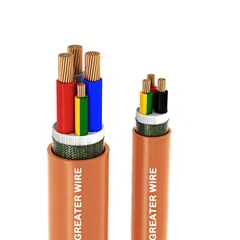
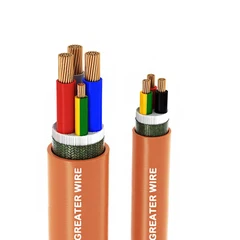
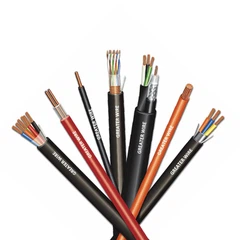
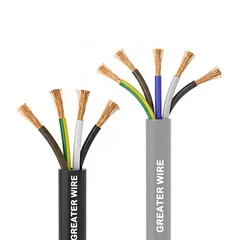
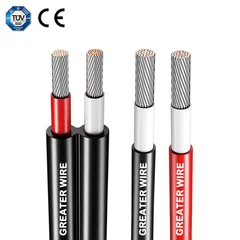
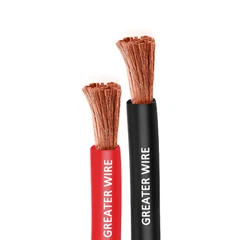
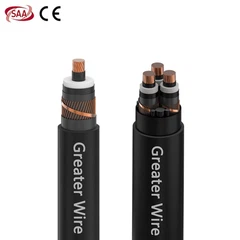
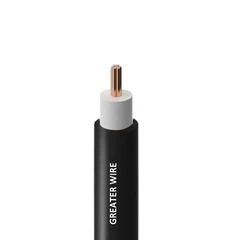
A customized flexible cable is a cable specifically designed and manufactured according to application-specific requirements rather than standardized catalog specifications. Customization may involve:
Conductor material and stranding structure
Insulation thickness and material
Shielding type and coverage
Jacket material and hardness
Mechanical performance (bending, torsion, tensile resistance)
Electrical characteristics (impedance, voltage, signal integrity)
Environmental resistance (oil, chemicals, temperature, UV)
Such cables are commonly used in dynamic, harsh, or space-constrained industrial environments.

Advantages of Customized Flexible Cables
Optimized Performance for Specific Motion Requirements
Industrial applications often involve complex motion patterns such as:
Continuous reciprocating bending in drag chains
Multi-axis torsional movement in robotic arms
Combined bending, twisting, and vibration
Customized flexible cable allows engineers to design:
High-strand ultra-fine conductors for fatigue resistance
Optimized lay lengths and stranding geometry
Reinforced cores or fillers to maintain mechanical balance
This results in significantly longer bending life compared to general-purpose cables.
Enhanced Reliability in Harsh Environments
Industrial environments may expose cables to:
Oil, coolants, and chemicals
Extreme temperatures
Moisture and humidity
UV radiation and ozone
Through material customization-such as PUR, TPE, silicone, or special elastomers-customized flexible cable can maintain stable performance where standard cables rapidly degrade.
Improved Electrical Performance and Signal Integrity
In servo systems, encoders, and high-speed data transmission, electrical stability is critical. Customized flexible cable can offer:
Precisely controlled impedance
High-coverage braided or composite shielding
Low-capacitance insulation structures
These features reduce electromagnetic interference (EMI) and ensure accurate signal transmission, even in high-noise industrial environments.
Space Optimization and System Integration
Modern machinery often has limited installation space. Custom flexible cable design enables:
Reduced outer diameter
Optimized core count and conductor sizing
Integrated power and signal lines
This simplifies cable routing, reduces weight, and improves overall system efficiency.
Lower Total Cost of Ownership (TCO)
Although customized flexible cable typically has a higher initial cost, it often results in:
Longer service life
Reduced downtime
Lower maintenance and replacement costs
Over the full equipment lifecycle, customized solutions frequently offer better economic performance than standard cables.

Challenges of Customized Flexible Cables
Higher Design and Engineering Complexity
Customization requires close collaboration between:
Equipment manufacturers
Cable engineers
Material suppliers
Incorrect assumptions or incomplete application data can lead to over-engineering or premature failure.
Longer Development and Lead Times
Compared with standard products, customized flexible cable typically involves:
Design validation
Prototype production
Mechanical and electrical testing
This may increase lead time, which must be considered during project planning.
Higher Initial Cost
Customized cables generally have:
Higher tooling and setup costs
Smaller production volumes
For low-duty or non-critical applications, the added cost may not be justified.
Supplier Dependency
Customized solutions often tie customers to specific suppliers. Long-term availability, quality consistency, and technical support become critical selection criteria.

Typical Industrial Application Scenarios for Customized Flexible Cable
Drag Chain Systems
CNC machine tools
Automated assembly lines
Packaging and logistics equipment
Requirements:
Millions of bending cycles
Abrasion-resistant jackets
Stable mechanical behavior
Industrial Robots and Automation Systems
Six-axis robots
Collaborative robots (cobots)
Welding and handling robots
Key requirements:
Torsion resistance
Compact structure
High flexibility under continuous motion
Servo Drives and Motion Control
Servo motor power cables
Encoder and feedback cables
Hybrid power-signal cables
Focus areas:
EMI resistance
Electrical stability
Long-term signal accuracy
Special and Emerging Applications
Semiconductor manufacturing equipment
Medical devices
New energy systems (wind, solar tracking)
These applications often require high reliability, strict standards, and precise customization.

How to Select the Right Customized Flexible Cable
Clearly Define Application Conditions
Before customization, users should clearly specify:
Motion type (bending, torsion, fixed)
Minimum bending radius
Required service life
Installation constraints
Accurate application data is the foundation of successful customization.
Evaluate Environmental Factors
Key considerations include:
Temperature range
Exposure to oil, chemicals, or UV
Indoor or outdoor installation
Material selection must match real operating conditions.
Focus on Key Technical Parameters
When selecting a customized flexible cable, pay close attention to:
Conductor stranding design
Jacket material and thickness
Shielding structure and grounding method
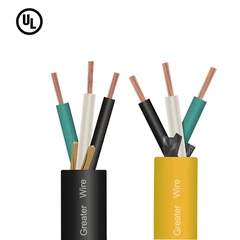
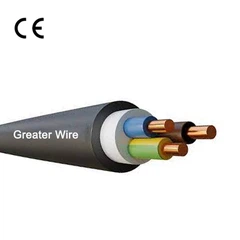
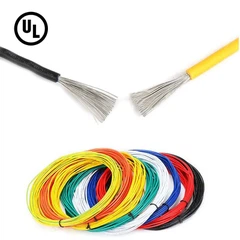
Compliance with standards (UL, CE, RoHS)
Choose an Experienced Custom Cable Manufacturer
A reliable supplier should provide:
Proven application experience
Documented testing data
Engineering support during design and installation
Long-term product consistency
Technical capability is often more important than price.


Customized flexible cable plays a crucial role in modern industrial systems where standard solutions are no longer sufficient. By precisely matching cable design to application requirements, customized flexible cable delivers superior mechanical performance, environmental resistance, and electrical reliability.
However, successful implementation requires careful planning, accurate application analysis, and collaboration with experienced suppliers. When properly selected and applied, customized flexible cable not only improves system reliability but also reduces total cost of ownership and enhances overall equipment performance.
As industrial automation continues to evolve, customized flexible cable solutions will become an increasingly important competitive advantage in advanced industrial applications.
At Dongguan Greater Wire & Cable Co., Ltd., we understand that choosing the right wire and cable solutions is critical to the success and safety of your projects.
Our experienced pre-sales and after-sales teams provide:
Professional technical consultation
Accurate product selection and application guidance
Fast and responsive support throughout the entire project lifecycle
Whether you are working on small-scale installations or large industrial projects, we are committed to delivering reliable solutions and practical support tailored to your specific requirements.
Contact Us
Dongguan Greater Wire & Cable Co., Ltd.
📞 Tel / WhatsApp / WeChat
+86 135 1078 4550
+86 136 6257 9592
📧 Email
manager01@greaterwire.com
We look forward to supporting your next project with quality products, technical expertise, and dependable service.