

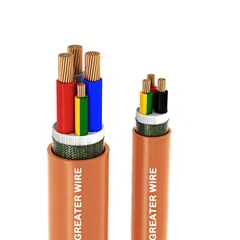
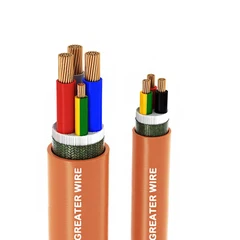

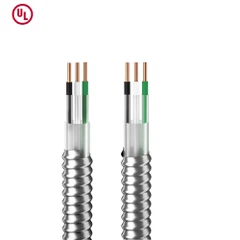
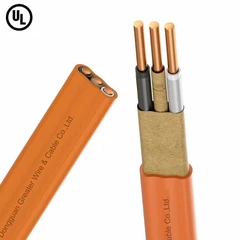
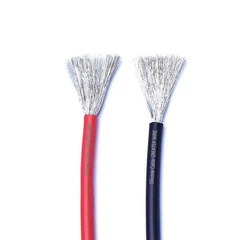
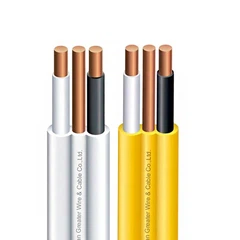
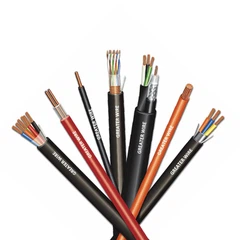
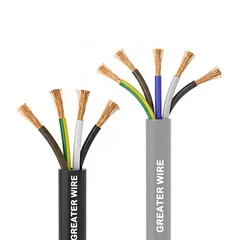
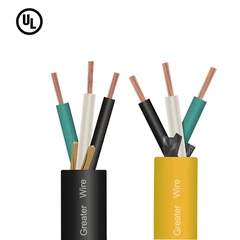
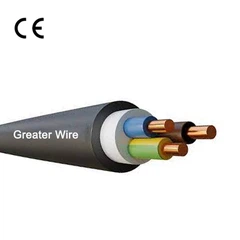
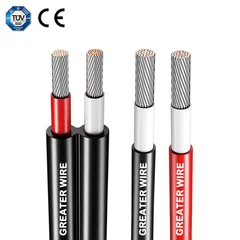

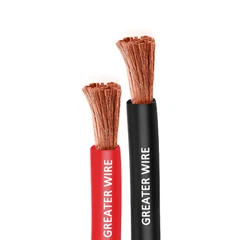
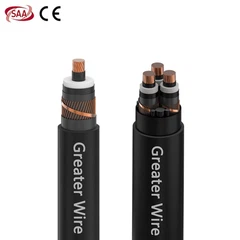
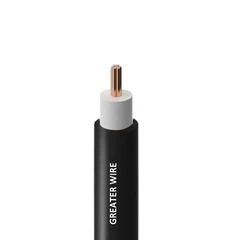
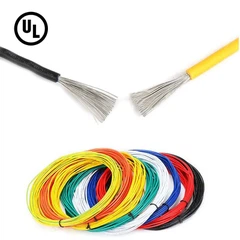
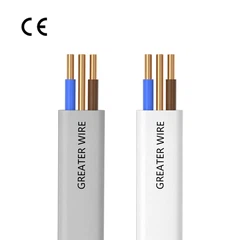
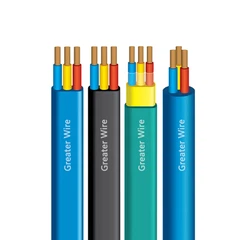
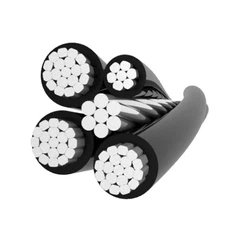
As industrial systems continue to evolve toward higher levels of automation, electrification, and intelligence, flexible cable products have become critical components across a wide range of industrial sectors. From high-speed automated production lines and robotic systems to renewable energy installations and transportation infrastructure, flexible cables play a vital role in ensuring reliable power transmission, signal integrity, and system mobility.
However, different industrial sectors impose very different operating conditions and performance expectations on flexible cables. A flexible cable suitable for an automated assembly line may fail rapidly in a wind turbine or railway application. Understanding these sector-specific concerns is essential for proper cable selection, system reliability, and lifecycle cost control.
This article analyzes the major concerns related to flexible cables in three key industrial sectors-automation, energy, and transportation-and provides guidance on how customers should select the appropriate flexible cable solutions for each application.

General Performance Requirements for Flexible Cables
Before examining sector-specific differences, it is important to outline the common performance dimensions that apply to all flexible cable applications:
Mechanical durability (bending, torsion, vibration)
Electrical reliability (voltage rating, current capacity, signal integrity)
Environmental resistance (temperature, chemicals, moisture)
Safety and compliance (fire performance, standards, certifications)
Service life and maintenance requirements
The relative importance of each dimension varies significantly by industry.

Flexible Cable Concerns in Industrial Automation
Operating Characteristics of Automation Systems
Industrial automation systems typically involve:
Continuous or high-frequency movement
Repetitive bending in drag chains
High-speed acceleration and deceleration
Compact installation spaces
These conditions place heavy mechanical stress on flexible cables.
Key Concerns in Automation Applications
Bending Fatigue and Dynamic Life
The primary concern is the bending life of the flexible cable. Automation systems often require millions of bending cycles over their service life.
Space Constraints and Flexibility
Limited space demands small bending radii and high flexibility without conductor damage.
Signal Integrity and EMC
Automation systems rely on precise sensor and control signals. Shielding effectiveness and stable impedance are critical.
Downtime Sensitivity
Cable failure can halt entire production lines, resulting in high economic losses.Typical Flexible Cable Solutions for Automation
Fine-stranded or ultra-fine stranded conductors
PUR or TPE outer sheaths for abrasion resistance
Optimized layer structure for drag chain motion

Flexible Cable Concerns in the Energy Sector
Characteristics of Energy Applications
The energy sector includes renewable energy (wind, solar), power generation, and transmission systems. These applications feature:
Long service life expectations (20–30 years)
Exposure to harsh outdoor environments
Large temperature variations
Limited accessibility for maintenance
Key Concerns in Energy Applications
Environmental Resistance
Flexible cables in energy systems must withstand UV radiation, moisture, salt spray, oil, and chemicals.
Temperature Extremes
Wind turbines and solar installations experience wide temperature ranges, often from −40 °C to +90 °C or higher.
Mechanical Stress from Wind and Vibration
Cables in wind turbines are subject to continuous vibration, torsion, and twisting.
Long-Term Reliability
Failure replacement is costly and time-consuming, making durability more important than initial cost.
Typical Flexible Cable Solutions for Energy Applications
Special TPE or XLPE insulation materials
High torsion-resistant conductor designs
UV- and weather-resistant outer jackets

Flexible Cable Concerns in the Transportation Sector
Characteristics of Transportation Applications
Transportation applications include railways, metros, electric vehicles, ships, and aerospace systems. Key features include:
High safety requirements
Continuous vibration and shock
Fire and smoke regulations
Long operational lifetimes
Key Concerns in Transportation Applications
Fire Safety and Compliance
Flexible cables must meet strict flame retardancy, low smoke, and low toxicity requirements (LSZH).
Vibration and Mechanical Shock
Constant vibration can cause conductor fatigue and insulation wear.
Weight and Space Limitations
Especially in rail and aerospace applications, cable weight and size are critical design factors.
Regulatory Standards
Compliance with standards such as EN, IEC, UL, and railway-specific norms is mandatory.
Typical Flexible Cable Solutions for Transportation
LSZH-sheathed flexible cables
Enhanced vibration-resistant conductor designs
Certified products meeting transportation standards

Comparative Analysis of Sector-Specific Concerns
| Sector | Primary Concern | Secondary Concerns |
|---|---|---|
| Automation | Bending life | Signal integrity, space |
| Energy | Environmental durability | Torsion, longevity |
| Transportation | Safety & compliance | Vibration, weight |
This comparison highlights why a one-size-fits-all flexible cable solution is rarely optimal.

Supplier Collaboration and System Integration
Across all sectors, early collaboration with flexible cable suppliers can:
Prevent over- or under-specification
Optimize routing and installation
Improve overall system reliability
Reduce total cost of ownership

Application Scenarios and Customer Selection Guidance
Application Scenarios for Flexible Cables
| Application Scenario | Key Flexible Cable Features |
|---|---|
| Automated production lines | High bending life, EMC shielding |
| Drag chain systems | Abrasion-resistant PUR sheath |
| Wind turbines | Torsion resistance, UV protection |
| Solar installations | Temperature and weather resistance |
| Rail and metro systems | Fire-safe, vibration-resistant |
| Electric vehicles | Lightweight, compact design |
How Should Choose Flexible Cables
To select the right flexible cable for their industry, customers should:
Analyze sector-specific operating conditions, not just general cable ratings
Prioritize the most critical performance factors for their application
Ensure compliance with relevant industry standards and regulations
Consider long-term reliability and maintenance accessibility
Work closely with experienced flexible cable manufacturers and suppliers
Different industrial sectors impose fundamentally different requirements on flexible cable design and performance. Automation emphasizes dynamic life and precision, energy focuses on environmental resilience and long-term reliability, while transportation prioritizes safety, compliance, and vibration resistance.


At Dongguan Greater Wire & Cable Co., Ltd., we understand that choosing the right wire and cable solutions is critical to the success and safety of your projects.
Our experienced pre-sales and after-sales teams provide:
Professional technical consultation
Accurate product selection and application guidance
Fast and responsive support throughout the entire project lifecycle
Whether you are working on small-scale installations or large industrial projects, we are committed to delivering reliable solutions and practical support tailored to your specific requirements.
Contact Us
Dongguan Greater Wire & Cable Co., Ltd.
📞 Tel / WhatsApp / WeChat
+86 135 1078 4550
+86 136 6257 9592
📧 Email
manager01@greaterwire.com
We look forward to supporting your next project with quality products, technical expertise, and dependable service.