






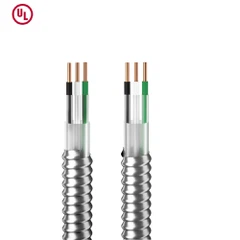



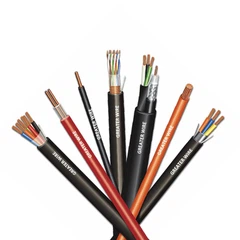
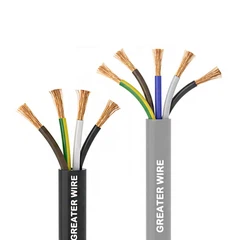

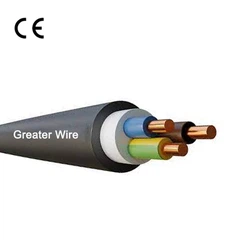
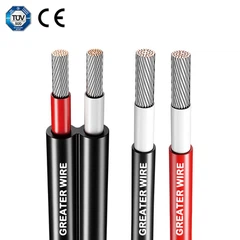


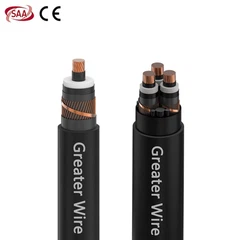


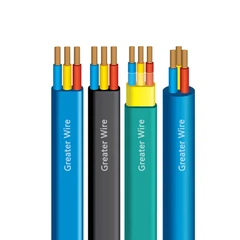
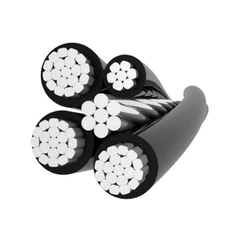
The role of fire cables is mainly reflected in ensuring the safety of personnel, maintaining the operation of the power system, slowing down the spread of fire, ensuring the safety of important equipment, and being suitable for special environments.
Fire cables, with their special materials and design, can effectively ensure the safety of personnel in the event of a fire. Due to its use of low smoke and low toxicity materials, it reduces the harm of fire smoke to personnel and improves the evacuation safety at the fire scene. At the same time, fire cables can maintain the basic operation of the power system, ensure the power supply of key equipment, and reduce production and service interruptions. The flame retardant performance of this cable helps to slow down the spread of fire, limit the scope of fire, and reduce the damage of fire to equipment and buildings. In situations where reliable operation of important equipment and communication systems is required, fire cables can provide reliable power transmission to ensure the safe operation of critical equipment. In addition, the special performance of fire protection cables makes them suitable for special environments, such as subways, tunnels, chemical plants, and other places with high requirements for fire resistance.
The design of fire cables typically includes the use of flame-retardant materials, special insulation and sheathing materials, and appropriate structural design to ensure that the cables can maintain certain electrical performance and structural integrity under fire conditions. These characteristics make fire cables play an important role in improving the fire resistance of power systems, ensuring the safety of personnel and important equipment
