

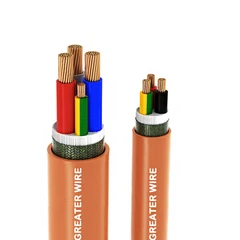
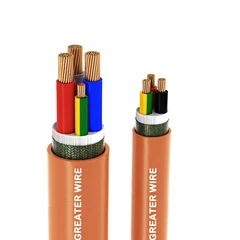

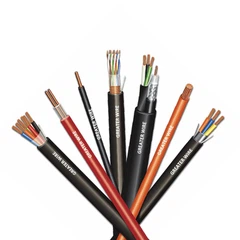
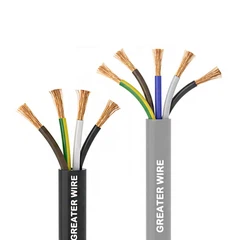
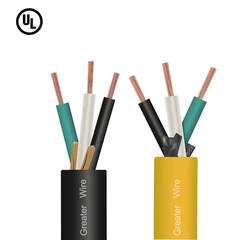
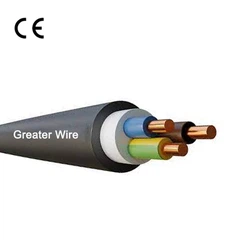

Cables play a crucial role in electrical systems, serving as the conduits for transmitting electrical power and signals. Among the many types of cables used in various industries, the orange circular cable has become an important component in certain high-voltage, safety-critical, and specialized electrical applications. In this article, we will explore what orange circular cables are, their uses, and the regulations and standards they must comply with, including the SAA certificate, Australia standards, and the AS/NZS 5000.1 standard. We will also discuss the significance of orange circular cables in modern electrical systems and their growing role in fields such as electric vehicles (EVs), industrial machinery, and infrastructure.


What Is an Orange Circular Cable?
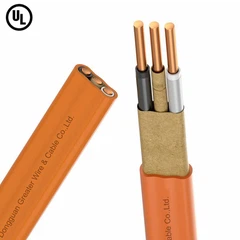
At its core, an orange circular cable is a type of electrical cable with an insulating sheath that is colored orange. The cable itself has a circular cross-section, which is one of the most common forms of construction for electrical cables. The color orange serves as a visual indicator that the cable is intended for a specific type of use, typically associated with high-voltage or specialized electrical systems.
The circular shape of the cable is designed to optimize the cable's efficiency, mechanical strength, and ability to carry electrical current. Circular cables are often used when a reliable and durable electrical connection is needed, especially in situations where the cable will be subjected to mechanical stress, extreme temperatures, or other challenging conditions.

Key Features of Orange Circular Cables
Orange circular cables are characterized by several important features that make them well-suited for use in specialized electrical systems:
High-Voltage Capabilities: One of the primary reasons for using orange circular cables is their ability to handle high-voltage electrical currents. The orange color is commonly associated with cables that carry voltages higher than standard household wiring, such as those used in electric vehicles (EVs), power distribution systems, and industrial machinery.
Insulation and Durability: The insulation material used in orange circular cables is designed to provide robust protection against electrical faults, environmental factors (such as moisture and extreme temperatures), and mechanical stresses (such as abrasion and bending). This ensures that the cables remain safe and functional over time, even in harsh conditions.
Clear Identification: The orange color serves as a visual identifier for specialized cables. It signals to technicians, engineers, and safety personnel that the cable is part of a high-voltage system, which requires additional safety precautions during installation, maintenance, or repair. This color-coding is particularly important in industries like electric vehicles, where distinguishing between high-voltage and low-voltage cables can be a matter of safety.
Flexible Design: Despite their robustness, orange circular cables are often designed to be flexible. This flexibility allows the cable to be routed around corners or through tight spaces without compromising its integrity. This is particularly important in industries such as automotive manufacturing and industrial automation, where space is often limited, and cables need to be routed efficiently.
Efficient Power Transmission: The circular shape of these cables helps distribute the electrical current evenly across the conductor, minimizing the risk of hot spots that could lead to cable failure. This makes orange circular cables efficient for high-power applications, where reliable and consistent power transmission is critical.

Applications of Orange Circular Cables
Orange circular cables are used in a wide range of applications, particularly in environments where high-voltage systems are present, and safety is a top priority. Some of the most common applications include:
1. Electric Vehicles (EVs)
Electric vehicles (EVs) are one of the most prominent applications for orange circular cables. EVs require high-voltage electrical systems to power the motor, charge the battery, and run other electrical components. The orange cables in these systems are designed to safely carry high-voltage electricity from the battery to the motor, the charger, and other critical components.
The use of orange cables in EVs helps distinguish the high-voltage circuits from lower-voltage circuits, making it easier for technicians and emergency responders to identify which cables are dangerous and need special handling. Additionally, the orange color helps ensure that the cables meet international safety standards, such as those outlined in the SAA certificate and the AS/NZS 5000.1 standard (which will be discussed in more detail later).
2. Power Distribution and Transmission Systems
Orange circular cables are also used in power distribution and transmission networks. These cables are responsible for transporting electricity from power plants to homes, businesses, and industrial sites. Due to the high voltages involved in these systems, the cables need to be robust and durable, with excellent insulation to prevent electrical faults and ensure safety.
For example, underground power lines often use orange cables to signify high-voltage transmission, helping workers easily identify high-risk cables during maintenance and repairs. These cables must meet specific standards to ensure their safety and performance, which brings us to the regulatory frameworks that govern their use.
3. Industrial Machinery and Equipment
In industrial settings, orange circular cables are frequently used to power machinery, equipment, and automation systems. These cables must be able to handle both high voltages and mechanical stresses, as industrial equipment is often exposed to harsh conditions such as heat, vibrations, and chemicals.
The orange cable's durability and visibility make it ideal for use in manufacturing plants, factories, and other industrial environments. The color ensures that workers can quickly identify and isolate high-voltage systems in case of an emergency, reducing the risk of accidents and ensuring smooth operation.
4. Renewable Energy Systems
As the world shifts toward cleaner energy sources, orange circular cables are also increasingly being used in renewable energy systems such as solar power and wind energy. These systems often involve high-voltage connections between the power generation equipment and the electrical grid, and orange cables are used to ensure that the high-voltage lines are clearly identifiable and compliant with safety standards.

SAA Certificate and Compliance with Australian Standards
In Australia, electrical products, including cables, must meet strict safety and performance standards to ensure their safe use in various applications. The SAA certificate is a mark that indicates that a product has been tested and certified to meet Australian safety standards. For cables, this certification is particularly important because it assures both consumers and professionals that the cable has undergone rigorous testing and is suitable for use in high-voltage applications.
For orange circular cables used in electric vehicles, power transmission systems, and industrial machinery, obtaining the SAA certificate is a critical step in demonstrating that the cables are safe, reliable, and capable of performing as required. The certification process typically includes testing for factors such as insulation resistance, mechanical strength, temperature resistance, and fire safety. Cables that bear the SAA certificate have been found to meet these high standards, ensuring that they will not pose a risk to users or cause electrical hazards.

AS/NZS 5000.1: Australian/New Zealand Standard for Electrical Cables
In addition to the SAA certificate, cables used in Australia must also comply with relevant Australian standards, including the AS/NZS 5000.1 standard. This standard sets out the specifications for cables used in electrical installations and is critical in ensuring that cables used in high-voltage systems are capable of handling the electrical loads and environmental conditions they will encounter.
For orange circular cables used in electric vehicles, power distribution, and other high-voltage applications, the AS/NZS 5000.1 standard covers several key aspects, including:
Voltage Rating: The standard specifies the voltage ratings that cables must meet to ensure that they can safely handle high-voltage electrical currents without breaking down or becoming unsafe.
Insulation and Sheath Materials: The insulation and sheath materials must be capable of withstanding high temperatures, UV radiation, moisture, and other environmental factors. The AS/NZS 5000.1 standard outlines the specific requirements for these materials to ensure the safety and longevity of the cables.
Mechanical Strength: Cables must be able to withstand mechanical stresses, such as bending, twisting, and abrasion, without failing. The AS/NZS 5000.1 standard sets out tests for the mechanical strength of cables to ensure that they will perform reliably in real-world conditions.
By complying with AS/NZS 5000.1, manufacturers can ensure that their orange circular cables are safe for use in high-voltage systems, meeting the rigorous demands of industries like electric vehicles, power distribution, and industrial automation.