

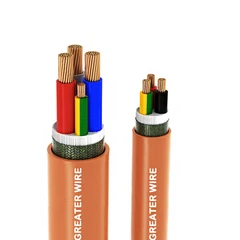
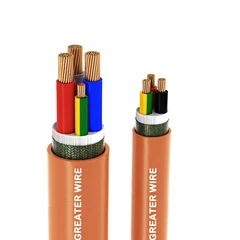

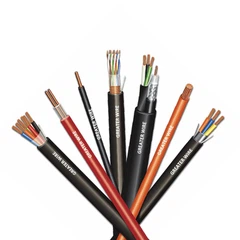
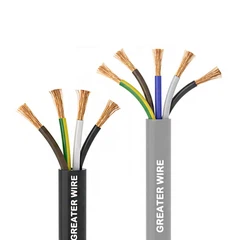
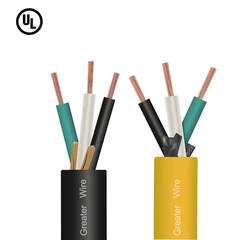
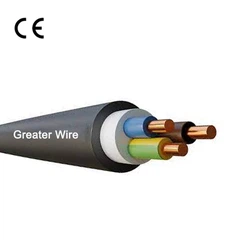

In the field of electrical wiring and cabling, various cable types are used for different purposes, each with specific characteristics tailored to particular environments and functions. One such cable type is the orange circular cable, which, due to its unique features and properties, is commonly used across multiple applications in various industries. This cable is designed to offer reliable electrical transmission, flexibility, and durability in both domestic and commercial environments. In this article, we will explore the common applications of orange circular cables, their advantages, and their importance in adhering to relevant safety standards such as the SAA certificate, Australia standard, and AS/NZS 5000.1.


What is an Orange Circular Cable?
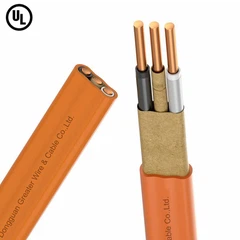
Before diving into the applications, it's essential to understand what an orange circular cable is. This type of cable is identified by its distinctive orange color and circular cross-sectional design. The orange color is often associated with high visibility, and this makes it easier for workers and engineers to locate, identify, and differentiate the cable from others, especially in complex installations or emergency scenarios. The circular design ensures that the cable is not only easy to manufacture but also provides strength and durability.
These cables are often used in applications where high flexibility and resilience are required, and they are designed to withstand various environmental conditions, including heat, moisture, and mechanical stress. The insulation and construction materials are selected to protect against wear and damage, making them suitable for a variety of challenging environments.

Common Applications of Orange Circular Cables
1. Industrial Power Distribution Systems
Orange circular cables are widely used in industrial power distribution systems, where they are responsible for transmitting electrical energy from the source to machinery, lighting, and other equipment. In industrial settings, these cables must endure heavy-duty usage, resist mechanical damage, and work efficiently even under harsh conditions.
Due to their robust design and reliable insulation, orange circular cables are frequently used in power distribution systems in factories, warehouses, and manufacturing plants. The circular design helps in managing the cable's structure more effectively, allowing for easier bundling and protection from external stresses.
These cables often need to meet specific performance criteria outlined in local and international standards, such as the AS/NZS 5000.1, which governs the specifications for cables used in electrical installations.
2. Telecommunications and Networking
In telecommunications and data networking applications, orange circular cables are utilized to carry signals across systems while maintaining minimal signal loss. Their flexibility and resistance to electromagnetic interference (EMI) make them ideal for use in networking installations, such as in data centers, server rooms, or telecommunications towers.
The orange color also helps in quickly identifying these cables in complex setups. For example, in a data center, cables are often color-coded for easier identification. The orange color is typically reserved for certain types of cables, such as those used for high-speed data transmission.
In addition to signal transmission, the cables must adhere to stringent standards to ensure that they meet the necessary performance and safety requirements. This is where certifications such as the SAA certificate come into play, ensuring the cables are safe and reliable for use in such critical applications.
3. Outdoor and Underground Cabling
Orange circular cables are frequently used in outdoor and underground installations, especially in scenarios where the cables are exposed to environmental factors. These cables are designed to be highly resistant to damage from harsh weather conditions, such as rain, wind, and extreme temperatures. Additionally, their robust insulation helps protect them from mechanical damage when installed underground or in other hazardous environments.
Common applications for orange circular cables in outdoor and underground installations include street lighting, outdoor power systems, and underground utilities. These cables are also employed in applications where cables are installed in conduits or buried underground, such as in telecommunications networks or electrical grids.
Their durability and high visibility are key reasons why these cables are used in such settings. The orange color allows for easy identification when maintenance or repairs are needed, particularly in situations where cables may be buried or otherwise difficult to access.
4. Fire Alarm and Emergency Systems
Due to their distinctive orange color, which ensures high visibility, orange circular cables are commonly used in fire alarm systems and emergency circuits. These systems must be reliable and resistant to failure, as they play a critical role in ensuring the safety of occupants in a building or facility.
The fire-resistant properties of the insulation materials used in these cables make them ideal for use in fire alarm circuits, emergency lighting systems, and other safety-critical wiring applications. These cables help maintain power and signal transmission even during an emergency, which is crucial for ensuring that alarm systems continue to function when most needed.
Moreover, orange circular cables in emergency systems are often subject to specific standards and certifications, such as the SAA certificate, to ensure that they meet the safety and performance requirements needed in critical applications.
5. Heavy Machinery and Equipment Wiring
Orange circular cables are also widely used in the wiring of heavy machinery and equipment. In industrial and commercial environments, large machines require robust, flexible cables that can handle high currents and operate in physically demanding environments. Orange circular cables are designed to meet these needs by offering the necessary insulation and protection against mechanical stresses, vibration, and temperature fluctuations.
Applications for orange circular cables in machinery wiring include manufacturing plants, mining operations, and construction sites, where heavy-duty machinery is a common feature. These cables can handle the power and control signals necessary to operate large machines such as conveyors, cranes, and industrial presses.
In these applications, it is essential that the cables meet safety standards and are able to perform reliably under the constant wear and tear of the industrial environment. Compliance with Australia's AS/NZS 5000.1 standard ensures that these cables are built to withstand the conditions typically found in such settings.
6. Solar Power Systems
With the increasing adoption of renewable energy, solar power systems have become a growing application for orange circular cables. These cables are used to connect solar panels to inverters, batteries, and power distribution systems. Given that solar power systems are often installed outdoors, the cables need to be weather-resistant, durable, and able to withstand high levels of UV radiation, moisture, and temperature changes.
The flexibility and high insulation resistance of orange circular cables make them ideal for use in solar installations, ensuring that the system functions safely and efficiently. The cables used in solar applications must also adhere to relevant safety standards, ensuring that the system operates reliably and safely.

The Role of Standards and Certifications
1. SAA Certificate
The SAA certificate is a mark of approval that certifies a product, such as an orange circular cable, meets Australian safety and performance standards. In Australia, the SAA logo is required for electrical products to ensure that they comply with safety requirements set by the relevant authorities. This certification is particularly important for electrical cables, as it ensures that they are safe for use in residential, commercial, and industrial electrical installations.
For orange circular cables, obtaining an SAA certificate ensures that the cables have been thoroughly tested for performance and safety, making them suitable for use in critical applications where failure could lead to significant consequences.
2. Australia Standard and AS/NZS 5000.1
The Australia Standard sets forth requirements for electrical cables used in various applications. In particular, the AS/NZS 5000.1 standard outlines the construction, performance, and safety requirements for cables used in wiring systems. For orange circular cables, adherence to these standards ensures that the cables are designed to handle the necessary electrical load while maintaining safety and reliability.
The AS/NZS 5000.1 standard covers various aspects, including insulation material, temperature ratings, and resistance to mechanical damage. It ensures that cables can be safely used in both residential and industrial environments, reducing the risks associated with electrical faults.