



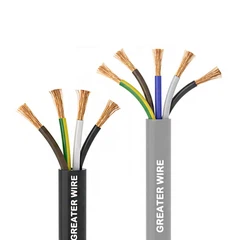
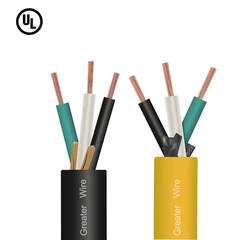
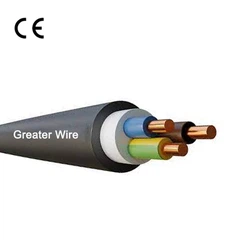
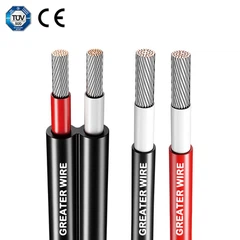

In the rapidly evolving world of electronics, cables play a vital role in ensuring that devices function efficiently and reliably. While many types of cables are used in the electronics industry, silicon cables, often referred to as silicone-insulated cables, have gained considerable attention due to their outstanding properties, which make them ideal for a wide range of electronic applications. These cables, known for their flexibility, durability, high-temperature resistance, and electrical insulation capabilities, are crucial components in the design and operation of modern electronic systems.
1. Understanding Silicon Cables
Before delving into the specific uses of silicon cables in electronics, it is essential to understand their composition and characteristics.
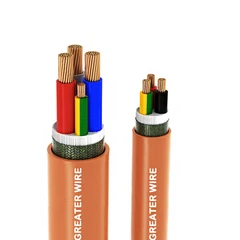
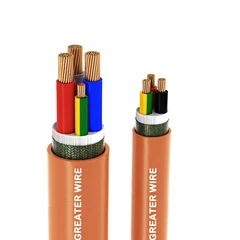
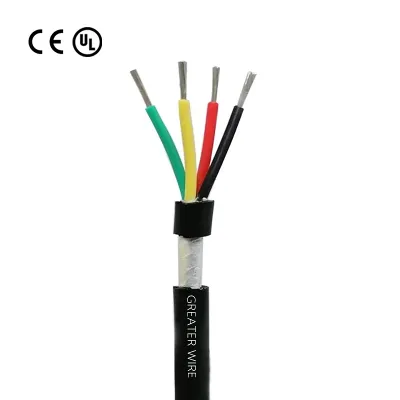
Silicon cables are typically made up of two main components:
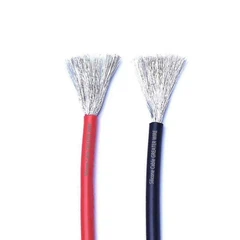
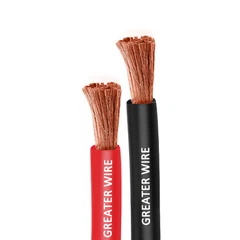
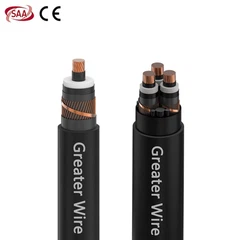
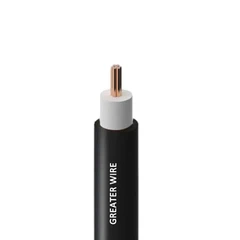
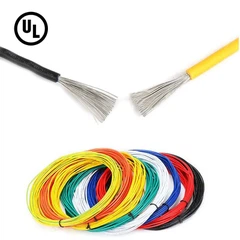
Conductor: The conductor is the core part of the cable, through which the electrical current flows. Most commonly, this conductor is made from copper, although in some cases, aluminum is used. Copper is preferred because of its excellent electrical conductivity.
Insulation: The insulation around the conductor is made from silicone rubber (or sometimes silicon-based compounds), which is a synthetic polymer known for its remarkable physical properties. Silicone rubber is used because of its high resistance to temperature extremes, flexibility, and chemical stability, making it ideal for high-performance applications.
The combination of these two components results in a cable that provides excellent protection for the conductor while maintaining the necessary electrical properties for the system it is used in.

2. Key Properties of Silicon Cables
The reasons why silicon cables are widely used in electronics can be attributed to the exceptional properties of silicone rubber insulation. Here are some of the most important characteristics that make silicon cables stand out:
2.1 High Temperature Resistance
One of the standout features of silicone cables is their high-temperature tolerance. Silicone rubber can withstand extreme temperature fluctuations without deteriorating, making it suitable for applications where conventional insulating materials would fail. Silicon cables can typically operate in temperatures ranging from -50°C to +200°C, with some specialized versions capable of handling even higher temperatures.
This property makes silicon cables ideal for use in electronic devices and systems that generate heat or are exposed to temperature extremes, such as power electronics, automotive wiring, and high-performance computing systems.
2.2 Flexibility
Silicone cables are known for their flexibility, even in low temperatures. This is a significant advantage in applications where cables need to be bent, twisted, or routed through tight spaces. Flexibility is a critical property for cables used in consumer electronics, robotics, and medical devices, where precise control over the cable's routing is necessary.
Unlike other insulation materials like PVC, silicone remains pliable and maintains its shape and flexibility in a wide range of temperatures, allowing for ease of installation and use in dynamic environments.
2.3 Chemical and Environmental Resistance
Silicone rubber is resistant to a wide range of chemicals, oils, and solvents. It is also highly UV-resistant, meaning that it can withstand prolonged exposure to sunlight without breaking down. In addition, silicone is ozone-resistant, making it ideal for outdoor applications where the cable may be exposed to harsh environmental conditions.
This chemical and environmental resistance makes silicon cables a preferred choice for applications in harsh industrial environments, marine electronics, and outdoor electrical systems that are exposed to the elements.
2.4 Electrical Insulation Properties
Silicone rubber provides excellent electrical insulation. It has a high dielectric strength, which means it can prevent electrical breakdown even under high-voltage conditions. This is essential for ensuring the safety and reliability of electrical systems, especially those used in high-voltage electronics and sensitive equipment.
The insulation properties of silicone cables are particularly useful in power distribution systems, medical devices, and communications equipment, where maintaining electrical integrity is crucial.

3. Applications of Silicon Cables in Electronics
Now that we understand the key properties of silicon cables, let's explore the various applications in electronics where these cables are used. The unique properties of silicon cables make them highly versatile, and they are employed in a wide range of fields, from consumer electronics to industrial machinery.
3.1 Consumer Electronics
In the realm of consumer electronics, silicon cables are increasingly being used due to their flexibility, durability, and high-performance capabilities. Some of the most common uses in this sector include:
Smartphones and Tablets: Silicon cables are used in the charging and data transmission cables for smartphones, tablets, and other portable electronic devices. The flexibility and heat resistance of silicone rubber make these cables ideal for handling the high current flow associated with fast charging and for operating reliably in devices that are frequently plugged and unplugged.
Laptops and Computers: Silicone cables are used in the internal wiring of laptops and desktops. These cables provide the necessary insulation for power supply units, processors, and other components that require reliable electrical connections while ensuring flexibility for efficient assembly and design.
Wearable Devices: The lightweight, flexible nature of silicone cables makes them ideal for use in wearable electronics, such as smartwatches, fitness trackers, and health monitors. These devices require cables that are small, flexible, and capable of operating in dynamic environments.
3.2 Medical Devices
In the medical field, silicon cables are used extensively for their biocompatibility, flexibility, and high-temperature resistance. These cables are used in applications where safety and reliability are of paramount importance, including:
Patient Monitoring Systems: Silicone cables are used in patient monitoring equipment, such as ECG machines, heart rate monitors, and pulse oximeters. These cables must provide reliable electrical connections while remaining flexible enough to allow ease of movement and placement around a patient's body.
Surgical Robots and Medical Instruments: Many advanced medical devices, including robotic surgery systems and medical instruments, require silicone cables due to their high durability and flexibility. These cables need to maintain high performance under stress while being resistant to sterilization processes.
Imaging Equipment: MRI machines, CT scanners, and other imaging devices use silicone cables to ensure stable electrical connections in high-voltage, high-frequency environments. Silicone's excellent insulating properties prevent interference and enhance the accuracy of imaging systems.
3.3 Automotive Electronics
Silicon cables are increasingly being used in the automotive industry, especially in electric vehicles (EVs) and high-performance vehicles. The cables are used in applications such as:
Battery Management Systems (BMS): Silicon cables are used to connect various components in electric vehicle batteries. These cables need to withstand extreme temperatures, mechanical stress, and exposure to chemicals while providing reliable electrical connections.
Power Electronics: The high-temperature tolerance of silicone cables makes them ideal for use in automotive power electronics, such as inverters, motors, and power control units.
Wiring for Sensors and Control Units: Automotive wiring often requires flexibility and durability, especially when routing cables through confined spaces in vehicles. Silicone cables can be bent and twisted without breaking or degrading, making them perfect for sensor wiring, control units, and engine management systems.
3.4 Industrial Electronics
In industrial applications, silicone cables are widely used due to their resilience in harsh environments, including exposure to high temperatures, chemicals, and mechanical stress. Examples include:
Industrial Automation Systems: Silicone cables are used in robotics and automation systems, where flexibility and durability are essential for maintaining continuous operation in factories and production lines.
Power Generation and Distribution: In power plants, generators, and high-voltage distribution systems, silicone cables are used to connect various electrical components. The ability of silicone to withstand high temperatures and its electrical insulation properties make it ideal for these high-power applications.
Harsh Environment Equipment: Silicone cables are used in equipment that operates in chemical plants, refineries, and mining operations, where exposure to extreme heat, moisture, and harsh chemicals is common. The environmental resistance of silicone rubber ensures that cables maintain their integrity in such challenging conditions.
3.5 Aerospace and Defense
In aerospace and military electronics, where reliability and performance are critical, silicon cables are used in various applications, such as:
Satellite Systems: Silicone cables are used in the wiring of satellites and spacecraft, where they must operate under extreme conditions, including vacuum, radiation, and extreme temperature fluctuations.
Aircraft Electronics: Silicone cables are used in avionics and other critical systems in aircraft, where durability, flexibility, and high temperature resistance are crucial for safety and performance.