

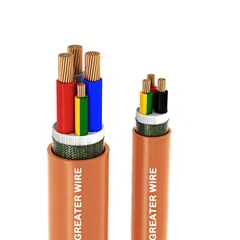
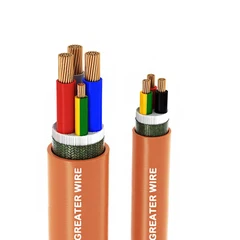


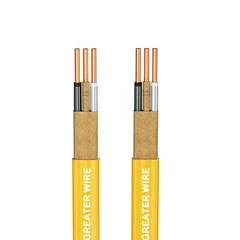
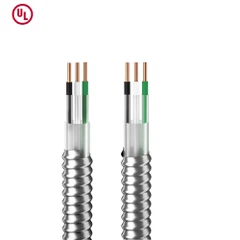
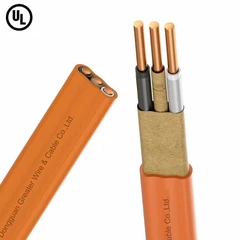
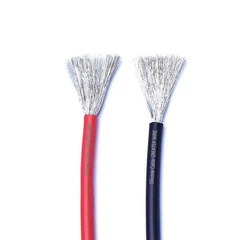
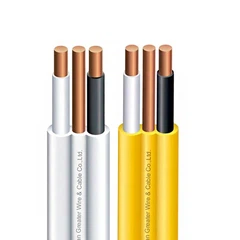
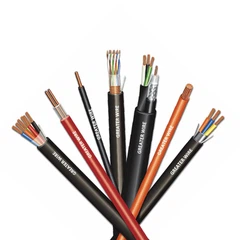
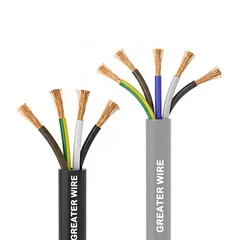
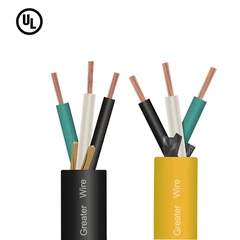
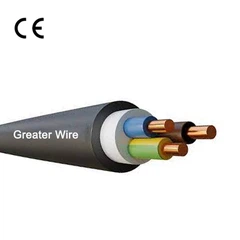
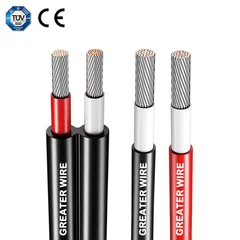

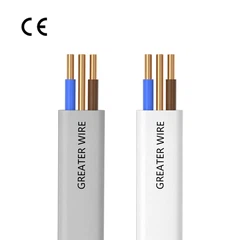
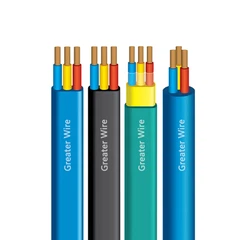
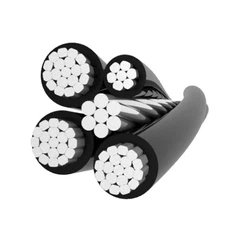
Silicon cables, often referred to as silicone-insulated cables, are gaining widespread popularity in various industries due to their unique combination of exceptional properties that make them highly versatile and reliable in extreme environments. These cables, primarily made with silicone rubber as insulation, are known for their high-temperature resistance, flexibility, durability, and chemical resilience. The growing demand for silicone cables in diverse sectors such as automotive, industrial machinery, medical devices, and aerospace is a testament to their superior performance in challenging conditions.

1. Understanding Silicon Cables: Composition and Structure
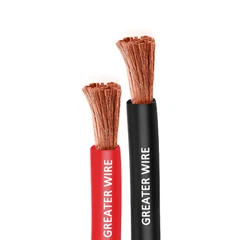
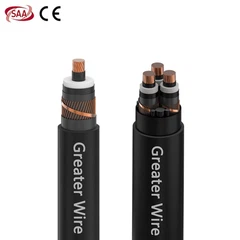
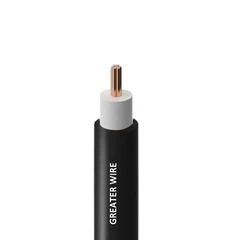
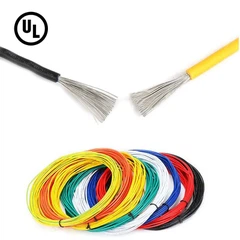
Before diving into the reasons behind the popularity of silicone cables, it is essential to understand what these cables are and how they are constructed. Silicone cables typically consist of two primary components:
Conductor: The conductor is usually made of copper or aluminum, which serves as the material through which electrical current flows. Copper is the most commonly used conductor due to its high conductivity and durability.
Insulation: The insulation is made from silicone rubber, a synthetic polymer known for its exceptional flexibility, high-temperature resistance, and chemical stability. Silicone rubber is often used to coat the conductor, ensuring that the electrical current remains confined within the conductor and preventing contact with external elements that could cause electrical shorts or damage.
The combination of these materials results in a cable that is highly resistant to heat, moisture, UV radiation, and mechanical stress, making it ideal for use in extreme conditions.

2. Key Properties of Silicone Cables
The primary reason silicone cables are widely used is due to the exceptional properties of silicone rubber. These properties make silicone cables far superior in specific applications compared to other types of cables that use more traditional insulating materials like PVC (polyvinyl chloride) or rubber. Some of the key properties of silicone cables include:
2.1 High-Temperature Resistance
Silicone rubber is renowned for its ability to withstand extreme temperatures without degrading. Silicone cables can operate in temperatures ranging from -50°C to +200°C, with some specialty versions capable of handling even higher temperatures. This makes them ideal for applications in environments with high thermal stress, such as:
Industrial machinery, where equipment often generates high heat.
Automotive engines and electric vehicle batteries, where heat resistance is critical.
Aerospace applications, where equipment operates at varying temperature extremes.
In contrast, cables insulated with materials like PVC or rubber typically have much lower temperature tolerance, making silicone cables a better choice for high-temperature environments.
2.2 Flexibility and Durability
Silicone cables remain flexible even at low temperatures, allowing them to maintain their shape and functionality in environments that cause other materials to become brittle. This flexibility is essential in applications where cables must bend, twist, or move frequently, such as:
Robotics, where cables need to flex with the movement of robotic arms and other parts.
Medical devices, which require flexible cables for intricate and precise functions.
Automotive wiring, where flexibility is needed to navigate through tight spaces in engines and other vehicle components.
Silicone insulation also makes cables more durable than their counterparts. Silicone is resistant to abrasion, cracking, and tearing, which ensures that the cables last longer and perform reliably under mechanical stress. This durability makes silicone cables an excellent choice for both static and dynamic applications.
2.3 Chemical and Environmental Resistance
Silicone rubber offers outstanding resistance to a wide range of chemicals, solvents, and oils. It is also ozone-resistant and UV-stable, meaning that it can withstand exposure to the sun's ultraviolet rays without breaking down. This makes silicone cables ideal for use in harsh environments, such as:
Chemical plants, where cables are exposed to various corrosive substances.
Marine environments, where cables face exposure to saltwater, UV radiation, and moisture.
Outdoor applications, such as street lighting or solar panel systems, where cables are exposed to sunlight and varying weather conditions.
Silicone's chemical inertness makes it less prone to damage from exposure to acids, alkalis, and other harsh substances that could degrade other types of insulation materials, such as PVC or rubber.
2.4 Electrical Insulation Properties
In addition to its mechanical and environmental properties, silicone rubber is also an excellent electrical insulator. It has a high dielectric strength, meaning it can effectively prevent electrical breakdown, even under extreme conditions. This makes silicone cables particularly useful in high-voltage applications, such as:
Power transmission lines and high-voltage equipment, where maintaining insulation integrity is crucial.
Medical devices, where electrical safety is paramount, especially in devices used in proximity to patients.
The combination of high-temperature resistance and excellent electrical insulation properties makes silicone cables ideal for situations where both safety and performance are required.

3. Applications of Silicone Cables
The unique properties of silicone cables make them indispensable in a wide range of industries. Below, we will explore some of the most common applications where silicone cables are used and why they are the preferred choice.
3.1 Automotive and Electric Vehicles
In the automotive industry, particularly in electric vehicles (EVs), silicone cables are used extensively due to their high-temperature resistance, flexibility, and durability. Silicone cables are used in applications such as:
Battery management systems (BMS) to handle high voltage and temperature fluctuations.
Electric motor wiring, where flexibility and heat resistance are essential.
Engine wiring, where the cables must endure extreme heat, mechanical stress, and exposure to oils and chemicals.
In traditional gasoline-powered vehicles, silicone cables are used for high-performance applications, such as engine sensors, lighting systems, and control units, where durability and resistance to heat are critical.
3.2 Industrial Equipment
Silicone cables are widely used in industrial equipment because of their ability to withstand harsh conditions such as high temperatures, mechanical stress, and chemical exposure. Some examples include:
Manufacturing machines that operate at high temperatures.
Heating equipment such as ovens, kilns, and furnaces, where cables need to remain insulated even in extreme heat.
Robotics and automation systems, where flexible and durable cables are needed to support precise movements and long operational lifetimes.
The ability to maintain performance in high-temperature, high-stress environments makes silicone cables essential for ensuring the longevity and reliability of industrial machinery.
3.3 Medical Devices
In the medical field, medical-grade silicone cables are used extensively due to their biocompatibility, flexibility, and durability. These cables are crucial for:
Medical imaging systems such as MRI and CT scanners, where high-quality cables are needed for sensitive electronics.
Patient monitoring equipment, where flexible and durable cables are used to connect sensors to monitors and other devices.
Surgical robots and medical instruments, where cables must be both flexible and resistant to sterilization processes.
Silicone cables are ideal in these applications because they can handle the high standards required for medical-grade equipment, where performance and patient safety are of utmost importance.
3.4 Aerospace
In the aerospace industry, where equipment is subjected to extreme temperature fluctuations, mechanical stress, and environmental challenges, silicone cables are used to ensure reliable and safe operation. Silicone cables are utilized in:
Aircraft wiring, where cables must be able to function at high altitudes and in varying temperature conditions.
Spacecraft and satellites, where cables must withstand the harsh conditions of space, including radiation, extreme temperatures, and the vacuum environment.
Silicone's high-temperature resistance and flexibility make it the preferred choice for ensuring the safe and efficient operation of aerospace systems.
3.5 Consumer Electronics
Silicone cables are also becoming increasingly popular in consumer electronics. They are used in devices such as:
Smartphones, where silicone-insulated cables are often used for charging and data transfer.
Computers, particularly in power supply units (PSUs) and other internal components that require durable and flexible cables.
Wearable electronics, where cables need to be lightweight, flexible, and comfortable.
The flexibility, lightweight nature, and ability to endure repeated bending make silicone cables ideal for portable electronics.

4. Why Silicone Cables Are Mostly Used
The widespread use of silicone cables can be attributed to several compelling reasons:
Superior Heat Resistance: Silicone cables can handle extreme temperatures, making them ideal for high-heat applications.
Durability: Silicone cables are resistant to abrasion, cracking, and degradation, ensuring long-lasting performance.
Chemical Resistance: Silicone rubber's resistance to oils, solvents, and UV radiation makes it suitable for harsh environments.
Electrical Insulation: Silicone provides excellent insulation, ensuring electrical safety even in high-voltage applications.
Flexibility: Silicone cables remain flexible even at low temperatures, making them perfect for dynamic applications.
Eco-friendliness: Silicone is a non-toxic, environmentally friendly material, making it suitable for sustainable manufacturing practices.