























As solar energy becomes an increasingly integral part of the global push towards sustainable and renewable energy, the components that make up solar power systems play an essential role in determining the system's overall efficiency, safety, and longevity. Among these components, the photovoltaic cable-also known as solar cables or solar wires-plays a vital role in ensuring the safe and efficient transmission of electricity from solar panels to inverters, batteries, and the electrical grid. One of the key attributes of solar cables is the material used in their conductors, which directly impacts the performance of the entire solar power system.
In this article, we will delve into the materials used for the conductors of photovoltaic cables, examining why certain materials are preferred, their properties, and how these materials contribute to the overall functionality and durability of solar wires in various solar installations.
1. Understanding Photovoltaic Cables
Before diving into the specifics of conductor materials, it's important to first understand what photovoltaic cables are and why they are needed in solar energy systems.
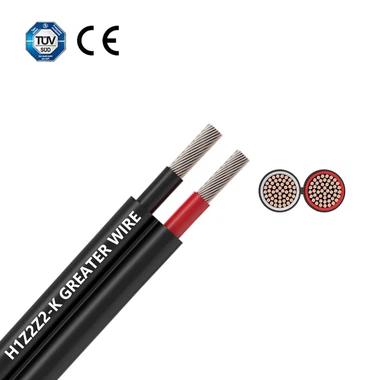
Photovoltaic cables are specialized electrical cables designed specifically for use in solar energy systems. These cables connect various components of a photovoltaic (PV) system, such as solar panels, inverters, batteries, and electrical grids. The main function of solar cables is to transmit electricity generated by solar panels (typically in the form of direct current, or DC) to the inverter, which then converts the DC electricity into alternating current (AC) for use in homes, businesses, or the electrical grid.
Unlike ordinary electrical cables, solar cables are built to withstand harsh outdoor environmental conditions, such as UV radiation, extreme temperatures, moisture, and mechanical stress. The materials used in both the conductors and the insulation of solar wires are selected to ensure durability, reliability, and safety over the long lifespan of the solar power system.
2. The Role of Conductors in Solar Cables
The conductor in an electrical cable is the core component responsible for carrying the electrical current. In solar cables, the conductor must not only provide low resistance to the flow of electricity but also maintain optimal performance under various environmental conditions. The choice of conductor material is crucial because it affects the cable's overall efficiency, conductivity, mechanical properties, and resistance to corrosion.
For a photovoltaic cable to work effectively in a solar power system, the conductor must possess several key qualities:
High electrical conductivity to minimize energy loss during transmission.
Resistance to corrosion and environmental degradation, particularly from moisture, UV rays, and temperature fluctuations.
Mechanical flexibility to ensure ease of installation in tight spaces and around bends.
Durability to ensure that the cable lasts for the expected lifespan of the solar system, which can be 25 years or more.

3. Materials Used for Conductors in Photovoltaic Cables
The most common materials used for conductors in solar cables are copper and aluminum. Both materials have distinct advantages and are chosen based on specific needs and application requirements in the solar energy industry.
1. Copper as a Conductor Material
Copper is by far the most widely used conductor material for photovoltaic cables. Its superior electrical conductivity, flexibility, and resistance to corrosion make it the preferred choice for most solar power installations.
Why Copper?
High Electrical Conductivity: Copper has an exceptionally high electrical conductivity, second only to silver. This means that copper cables have lower electrical resistance, which reduces energy losses during transmission. In solar applications, reducing energy loss is essential for maximizing the efficiency of the system.
Durability and Corrosion Resistance: Copper is naturally resistant to corrosion, which makes it ideal for use in outdoor solar installations where the cable will be exposed to moisture, humidity, and environmental elements. Additionally, copper's resistance to corrosion ensures a longer lifespan for the solar cables, maintaining reliable performance over time.
Mechanical Strength and Flexibility: Copper is strong yet relatively flexible, making it easy to install in various settings, whether it's on a rooftop solar panel array or in a large commercial solar installation. The flexibility of copper wires ensures that they can be bent and routed around corners and obstacles without breaking or losing conductivity.
Compatibility with Connectors: Copper connectors are widely available and commonly used in solar installations, ensuring compatibility and ease of installation across various solar panel systems and components. Copper's well-established manufacturing processes make it the most widely available conductor material.
Disadvantages of Copper:
While copper offers many advantages, it is also more expensive than aluminum. As such, it may not be the most cost-effective option for large-scale installations, particularly when the cable length required is extensive.
2. Aluminum as a Conductor Material
Although copper is the preferred choice in many solar applications, aluminum is another common material used for conductors in solar cables, especially in large-scale commercial or utility-scale solar power systems.
Why Aluminum?
Cost-Effectiveness: One of the primary reasons for choosing aluminum is its cost. Aluminum is significantly less expensive than copper, making it a more economical option for large installations where long cable lengths and multiple connections are required. This is particularly true for utility-scale solar farms where cost savings can be substantial.
Lightweight: Aluminum is much lighter than copper, which can make handling and installation easier, particularly when large quantities of cable are required. The lightweight nature of aluminum also reduces the overall weight of solar installations, which may be an important consideration in large solar farms or remote areas where transportation and infrastructure are challenging.
Sufficient Conductivity: While aluminum has lower electrical conductivity than copper, it is still an effective conductor for most solar applications. Aluminum cables typically require a larger cross-sectional area to achieve the same current-carrying capacity as copper cables, which is why aluminum cables are often thicker than copper cables.
Corrosion Resistance with Coating: Aluminum is naturally susceptible to corrosion, but modern aluminum solar cables are often coated with materials that prevent oxidation. For instance, aluminum cables may be coated with a layer of annealed copper or a tinned copper layer to enhance conductivity and prevent corrosion in outdoor environments.
Disadvantages of Aluminum:
Lower Conductivity: Aluminum's electrical conductivity is lower than copper, which means that for the same current-carrying capacity, aluminum cables need to be larger in diameter. This can result in increased bulk and less flexibility compared to copper cables.
Prone to Oxidation: Although aluminum's oxidation can be mitigated with coatings, it is more prone to corrosion than copper. If not properly coated or insulated, aluminum wires can degrade over time when exposed to moisture, which can affect the overall efficiency and safety of the solar system.
3. Copper-Clad Aluminum (CCA) Conductors
An alternative to pure copper and aluminum conductors is the copper-clad aluminum (CCA) conductor. This hybrid conductor consists of an aluminum core surrounded by a thin layer of copper, combining the lightweight nature of aluminum with the high conductivity of copper.
Why Copper-Clad Aluminum?
Balance of Cost and Performance: Copper-clad aluminum cables offer a middle ground between copper and pure aluminum in terms of cost and performance. The copper coating improves the conductivity compared to pure aluminum, while the aluminum core keeps the overall weight and cost lower than pure copper.
Good Mechanical Properties: Copper-clad aluminum cables are flexible and easier to handle than pure copper cables, making them suitable for residential or small commercial solar systems.
Disadvantages of Copper-Clad Aluminum:
Lower Durability: While copper-clad aluminum offers a balance between conductivity and cost, it is not as durable as pure copper. The copper coating can wear away over time, particularly in environments where the cables are exposed to harsh weather conditions, moisture, or mechanical stress.

4. Other Considerations for Conductor Material in Solar Cables
While copper and aluminum (including copper-clad aluminum) are the primary conductor materials in solar cables, other factors influence the choice of conductor material and cable type. These include:
Voltage Rating: The voltage rating of the solar cable determines the type of conductor material needed. For higher voltage systems (e.g., utility-scale solar farms), the use of copper or copper-clad aluminum conductors is more common due to their ability to efficiently carry high voltages.
Current-Carrying Capacity: The amount of current that the solar cable needs to carry will affect the conductor size and material. Larger currents typically require a larger conductor size, which may necessitate the use of aluminum or copper-clad aluminum to reduce cost and weight.
Temperature Resistance: Solar cables need to withstand a wide range of temperatures, from extremely cold climates to hot, sunny environments. The conductor material's properties, including its resistance to temperature fluctuations, play a critical role in ensuring the longevity and reliability of the cable.