


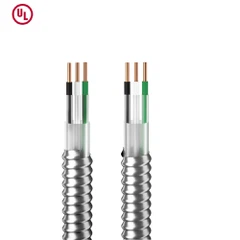

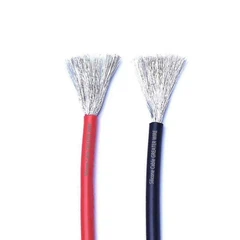
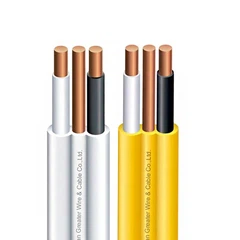
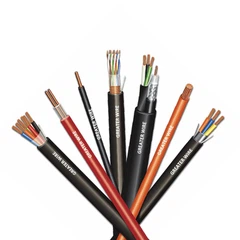
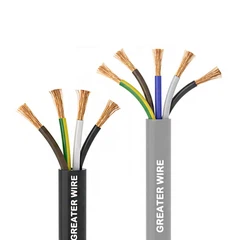
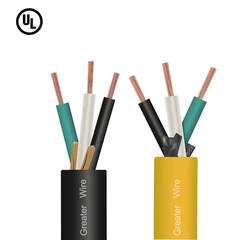
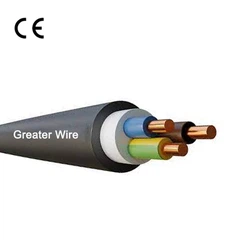
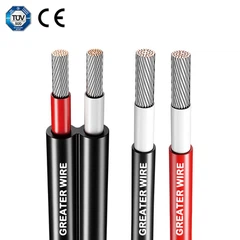

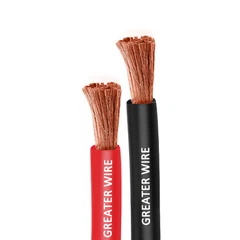
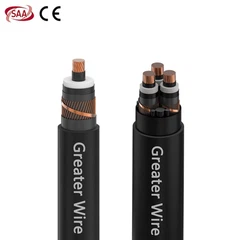
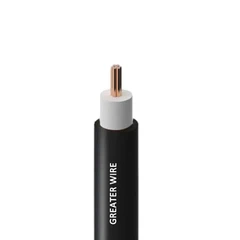
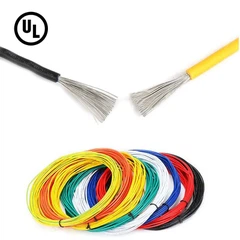
In the world of solar power systems, the photovoltaic cable-also known as solar cables or solar wires-plays a crucial role in ensuring the safe and efficient transmission of electrical power generated by solar panels. One of the most important technical specifications for solar cables is their rated voltage, which defines the maximum voltage the cable can safely carry under normal operating conditions. Understanding the rated voltage of photovoltaic cables is essential for selecting the right cables for different solar power installations, as it ensures the system operates safely and efficiently.
This article will explore the concept of rated voltage in solar cables, explain its importance, and outline the factors that determine the rated voltage. Additionally, we will discuss how the rated voltage of solar wires impacts the overall design and performance of a photovoltaic (PV) system.

1. What is the Rated Voltage of a Photovoltaic Cable?
The rated voltage of a photovoltaic cable refers to the maximum voltage that the cable is designed to handle during normal operation without experiencing insulation breakdown, electrical failure, or safety hazards. Essentially, it indicates the highest electrical potential that can be safely transmitted through the solar cable without causing damage to the cable or the connected system.
Rated voltage is an important specification because solar panels, inverters, and other components in a PV system operate at specific voltage levels, and it is critical to use cables that can handle these voltages to avoid electrical accidents, fires, or equipment damage. Solar cables with the appropriate rated voltage ensure the reliability, longevity, and safety of the entire solar power system.

2. Why is Rated Voltage Important for Solar Cables?
Rated voltage is one of the most critical factors when selecting solar cables because it directly impacts the safety and efficiency of the solar system. Using a solar cable with a rated voltage that is too low for the system can lead to several problems:
Overheating: If the solar wire is not rated to handle the voltage of the system, it may overheat, potentially causing insulation degradation or even electrical fires.
Insulation Breakdown: When the voltage exceeds the cable's rated voltage, the insulation may break down, leading to short circuits or electrical arcing, which could damage the system or cause safety hazards.
Reduced Efficiency: Using cables with the wrong voltage rating could lead to increased resistance, power loss, and overall inefficiency in the system's performance.
On the other hand, using a solar cable with a rated voltage that is too high for the system is generally safe but may lead to unnecessary costs due to the increased price of higher-rated cables.

3. Common Voltage Ratings for Photovoltaic Cables
The voltage rating of solar cables varies depending on the specific type and application of the cable. However, in general, the most common voltage ratings for photovoltaic cables fall within certain ranges:
1. Low Voltage (0-750V)
The most common rated voltage for solar cables used in residential and commercial solar power systems is 750V. This is typically the maximum voltage rating for many solar wires designed for use in direct current (DC) circuits between the solar panels and the inverter. Low voltage cables are ideal for systems with lower energy demands and fewer panels.
Application: These cables are commonly used for solar panel to inverter connections, where the voltage is generally within the range of 20V to 60V per panel, depending on the panel type. Multiple panels are wired together to form strings, and the total voltage can reach up to 600V or 750V in some systems, which is within the capability of a 750V-rated solar cable.
2. High Voltage (1000V or 1500V)
For larger commercial and industrial solar systems, the rated voltage of solar cables may go up to 1000V or even 1500V. These higher voltage-rated solar wires are often used in utility-scale solar installations, such as solar farms or solar power plants, where the system's scale demands higher voltage to efficiently transmit large amounts of electricity over longer distances.
Application: High voltage solar cables are used for connections in high-output systems, such as inverters, charge controllers, and battery storage systems that operate at higher voltages. Solar arrays in these systems may be connected in series to achieve the higher voltages required for maximum efficiency in transmission and energy generation.
3. Extra High Voltage (Up to 6kV or 10kV)
In some very large industrial or commercial systems, such as grid-connected solar power plants or high-voltage DC (HVDC) transmission lines, solar cables with voltage ratings up to 6kV or 10kV are used. These cables are specially designed for ultra-high-voltage applications where even larger amounts of power are being transmitted over significant distances.
Application: Such solar cables are used in utility-scale PV systems with the integration of energy storage or grid-tied systems that require very high transmission voltage. They are also used in offshore solar installations or any situation where long-distance transmission of DC electricity is required at high voltages.

4. Standards for Rated Voltage in Photovoltaic Cables
The rated voltage of solar cables must meet certain international standards to ensure they are safe and reliable for use in solar installations. These standards are designed to ensure the insulation and materials used in solar cables can withstand the electrical and environmental stresses they will encounter over the long term.
Some key standards that govern solar cables include:
1. IEC 60216
The International Electrotechnical Commission (IEC) standard IEC 60216 defines the thermal endurance and voltage ratings for solar cables used in PV systems. It specifies the maximum permissible operating temperature and voltage for cables, ensuring they can operate safely in outdoor environments.
2. IEC 60502
IEC 60502 covers the specifications for power cables, including solar cables, used in general electrical installations. This standard helps determine the voltage ratings and insulation properties for cables used in residential, commercial, and industrial settings.
3. UL 4703
The Underwriters Laboratories (UL) 4703 standard is recognized in the United States for solar cables used in photovoltaic power systems. It defines the safety, construction, and voltage requirements for solar wires to meet the standards of safety and performance for residential and commercial installations.
4. TUV 2Pfg 1169/08.2007
The TÜV (Technischer Überwachungsverein) certification, commonly seen on solar cables, ensures that the cables comply with European standards for voltage ratings and environmental performance. This certification guarantees that the cables can handle the specified voltages and are resistant to UV exposure, moisture, and temperature extremes.

5. How Does Rated Voltage Affect Solar System Design?
The rated voltage of solar cables is an essential consideration when designing a photovoltaic system. Here are several ways in which the rated voltage affects the overall design and efficiency of a solar installation:
1. Panel Configuration
The rated voltage of the solar cables influences the configuration of the solar panels. For example, when connecting solar panels in series to increase voltage, the combined voltage should be below the rated voltage of the cable. Using cables with a higher rated voltage than necessary might be a safe approach, but it could unnecessarily increase the overall cost of the system.
2. Efficiency and Power Losses
Higher-rated voltage cables can help minimize energy loss over long distances. This is because higher voltages allow for lower current transmission, which reduces I²R losses (resistive losses) in the cables. In larger commercial and industrial systems, selecting the correct solar wire with the appropriate rated voltage ensures more efficient power transfer, especially when long cable runs are involved.
3. Safety Considerations
Using a solar cable with a rated voltage that is too low for the system could result in insulation failure, arcing, or overheating. In contrast, selecting a cable with a rated voltage higher than the system's requirements is typically safe but may increase the cost of the system. Ensuring the right balance between voltage and cost is a key part of system design.