




Electrical cables play a critical role in modern buildings, industrial facilities, and infrastructure systems. During a fire, however, cables are often among the first components to fail, potentially causing loss of power to critical systems, accelerating fire spread, and producing hazardous smoke and toxic gases. To mitigate these risks, specialized cable types-namely fire-resistant wires and ordinary flame-retardant cables-are widely used.
Although these two cable types are often confused or incorrectly considered interchangeable, they are fundamentally different in design purpose, structure, materials, performance, and application scenarios. Understanding these differences is essential for engineers, contractors, designers, and end users to ensure safety, compliance, and cost-effective system design.
This article provides a detailed and professional comparison between fire-resistant wires and ordinary flame-retardant cables, explaining how they work, how they differ, and how to select the right solution for specific applications.

Overview of Fire-Resistant Wire
Definition and Purpose
A fire-resistant wire (also known as a fire-resisting or fire-survival cable) is designed to maintain circuit integrity and continue transmitting power or signals during a fire for a specified period, even under direct flame exposure, high temperatures, mechanical shock, and sometimes water spray.
The primary purpose of fire-resistant wire is functional continuity, not merely fire prevention. These cables are typically used in life-safety and critical systems where continued operation during a fire is essential.
Typical Structure of Fire-Resistant Wire
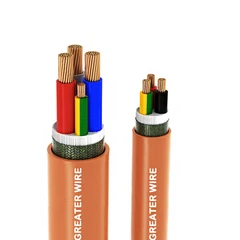
Fire-resistant wires use a multilayer, specialized construction, commonly including:
Conductor
Usually annealed copper or tinned copper, chosen for stable electrical performance at elevated temperatures.
Fire-resistant layer (mica tape or ceramic barrier)
A key component that differentiates fire-resistant wires from ordinary cables. Mica tape or ceramic-forming materials wrap the conductor to provide insulation even after organic materials burn away.
Primary insulation
Often silicone rubber, XLPE, or fire-resistant polymer compounds.
Optional bedding or inner sheath
Provides mechanical stability and separation of cores in multicore designs.
Outer sheath
Typically LSZH (Low Smoke Zero Halogen) or fire-resistant PVC to reduce smoke and toxic gas emissions.
Performance Characteristics
Fire-resistant wires are engineered to:
Maintain electrical continuity for 30, 60, 90, or 120 minutes
Withstand temperatures up to 750–950°C
Resist flame, mechanical impact, and thermal shock
Operate during fire suppression water spray (depending on standard)
Applicable Standards
Common international fire-resistance standards include:
IEC 60331 – Circuit integrity under fire
BS 6387 (CWZ categories) – Fire, water, and mechanical shock resistance
EN 50200 – Fire with mechanical shock
UL 2196 – Fire-resistive cables for emergency circuits
Overview of Ordinary Flame-Retardant Cable
Definition and Purpose
An ordinary flame-retardant cable is designed to limit flame propagation when exposed to fire but is not required to continue functioning during or after a fire event.
Its primary purpose is fire containment, meaning it helps prevent flames from spreading along cable routes, reducing fire escalation and property damage.
Typical Structure of Flame-Retardant Cable
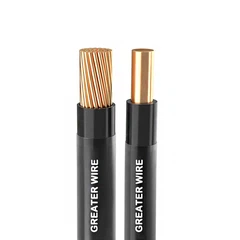
The construction of flame-retardant cables is simpler than that of fire-resistant wires and typically includes:
Conductor
Copper or aluminum, depending on voltage and application.
Insulation layer
PVC, XLPE, or halogen-free flame-retardant compounds.
Outer sheath
Flame-retardant PVC or LSZH material designed to self-extinguish.
Notably, no fire-survival barrier (such as mica tape) is included.
Performance Characteristics
Flame-retardant cables are characterized by:
Self-extinguishing behavior once the flame source is removed
Limited flame spread along cable bundles
Reduced heat release rate
Optional low smoke and halogen-free performance (LSZH)
However, once exposed to sustained fire, the insulation will degrade, and the circuit will fail.
Applicable Standards
Common flame-retardant standards include:
IEC 60332-1 / IEC 60332-3 – Flame propagation tests
UL VW-1 – Vertical flame test
CSA FT1 / FT4 – Canadian flame tests
EN 50575 (CPR) – Reaction to fire classification

Structural and Material Differences
Core Structural Difference
The most critical difference lies in the presence of a fire-survival layer:
Fire-resistant wire: Uses mica tape or ceramic-forming insulation to preserve insulation integrity during fire.
Flame-retardant cable: Relies solely on flame-resistant polymer materials without circuit-survival capability.
Material Selection
| Aspect | Fire-Resistant Wire | Flame-Retardant Cable |
|---|---|---|
| Insulation | Silicone rubber, mica, XLPE | PVC, XLPE, LSZH |
| Fire behavior | Maintains insulation | Delays flame spread |
| Smoke emission | Typically low | Low or standard |
| Toxic gas | Often halogen-free | Depends on material |
Performance Differences in Fire Conditions
Behavior During Fire
Fire-resistant wire
Continues to carry current during active fire exposure, supporting emergency systems.
Flame-retardant cable
Prevents flame spread but typically fails electrically once insulation burns.
5.2 Functional Outcome
Fire-resistant wire: Power continuity
Flame-retardant cable: Fire containment
This difference is fundamental and determines application suitability.
Application Scenarios
Typical Applications for Fire-Resistant Wire
Fire-resistant wires are used in life-safety and mission-critical systems, including:
Fire alarm and detection systems
Emergency lighting and exit signage
Firefighting pumps and smoke extraction systems
Emergency communication systems
Elevators used during fire evacuation
Critical control circuits in tunnels and subways
Typical Applications for Flame-Retardant Cable
Flame-retardant cables are widely used in:
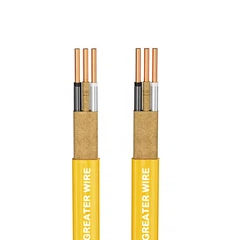
General building power distribution
Lighting circuits
Residential wiring
Commercial and office buildings
Industrial control wiring (non-life-safety)
Cable trays and risers requiring flame spread limitation
How to Distinguish Between the Two
By Standards and Test Reports
Fire-resistant wires reference IEC 60331, BS 6387, UL 2196
Flame-retardant cables reference IEC 60332, UL VW-1, CSA FT1/FT4
By Cable Marking
Fire-resistant cables often include markings such as:
"Fire Resistant"
"FRR"
"Circuit Integrity"
"IEC 60331"
By Internal Structure
Only fire-resistant wires contain:
Mica tape wrapping
Ceramic-forming insulation layers
Selection Guidelines: How to Choose the Right Cable
Identify System Criticality
Life-safety systems → Fire-resistant wire
General power and control → Flame-retardant cable
Check Regulatory Requirements
Many building codes mandate fire-resistant cables for emergency circuits, while allowing flame-retardant cables elsewhere.
Consider Environmental Factors
Smoke-sensitive environments → LSZH fire-resistant or flame-retardant cables
High-risk fire zones → Fire-resistant wire
Balance Cost and Performance
Fire-resistant wires are more expensive due to materials and testing. Using them only where required ensures compliance without unnecessary cost escalation.

Common Misunderstandings
Flame-retardant does not mean fire-resistant
LSZH does not guarantee circuit integrity
Higher temperature rating does not equal fire survival
Fire-resistant cables do not replace proper fire system design
Fire-resistant wires and ordinary flame-retardant cables serve distinct but complementary roles in electrical safety design. Fire-resistant wires are engineered to maintain operation during fire, supporting life-safety and emergency systems, while flame-retardant cables are designed to limit fire spread and reduce risk in standard installations.
Selecting the correct cable type requires a clear understanding of system function, regulatory requirements, fire risk level, and performance expectations. When chosen appropriately, both cable types contribute significantly to safer, more reliable electrical infrastructure.
At Dongguan Greater Wire & Cable Co., Ltd., we understand that choosing the right wire and cable solutions is critical to the success and safety of your projects.
Our experienced pre-sales and after-sales teams provide:
Professional technical consultation
Accurate product selection and application guidance
Fast and responsive support throughout the entire project lifecycle
Whether you are working on small-scale installations or large industrial projects, we are committed to delivering reliable solutions and practical support tailored to your specific requirements.
Contact Us
Dongguan Greater Wire & Cable Co., Ltd.
📞 Tel / WhatsApp / WeChat
+86 135 1078 4550
+86 136 6257 9592
📧 Email
manager01@greaterwire.com
We look forward to supporting your next project with quality products, technical expertise, and dependable service.