






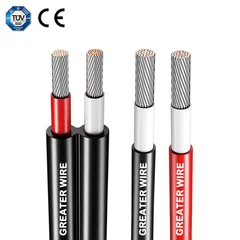


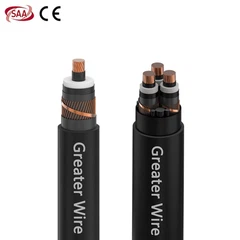

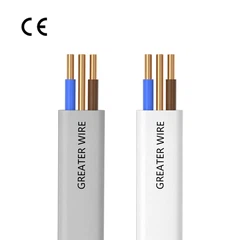
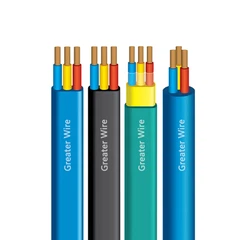
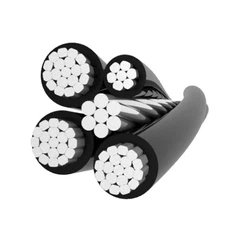
In the growing field of renewable energy, solar power stands out as a key player in achieving sustainable energy solutions. Central to any solar power system are the solar cables and solar wires that transmit the electrical energy generated by solar panels to various system components, such as inverters, batteries, and the electrical grid. These cables play a critical role in ensuring the safe, efficient, and reliable operation of the entire solar system.
One common question that arises during solar system design and installation is about the load capacity of the wiring - specifically, what is the load capacity of 4mm solar wire?
In this article, we will answer this question and explore the factors that determine the load capacity of solar cables and solar wires, how to calculate it, and what factors influence the selection of cable size in solar applications.

What is Solar Cable and Solar Wire?
Before delving into the details of 4mm solar wire and its load capacity, let's first define solar cables and solar wires.
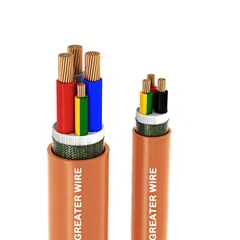
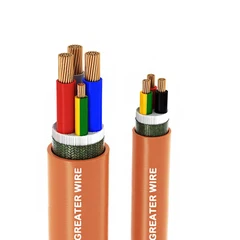
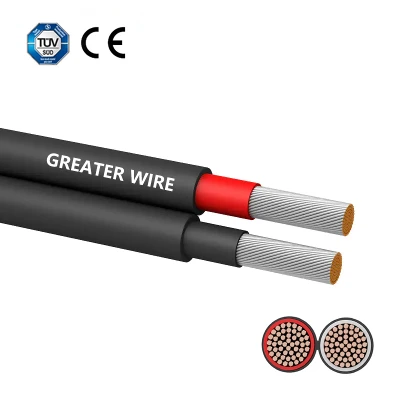
Solar Cable: A solar cable is a type of electrical wire specifically designed for use in solar power systems. These cables are engineered to handle the unique demands of solar energy systems, such as exposure to UV radiation, extreme temperatures, and moisture. Solar cables are typically made with copper or aluminum conductors and are insulated with durable materials like cross-linked polyethylene (XLPE) or ethylene tetrafluoroethylene (ETFE). They are designed to carry the electrical current generated by solar panels to other parts of the system, such as inverters, charge controllers, or battery storage.
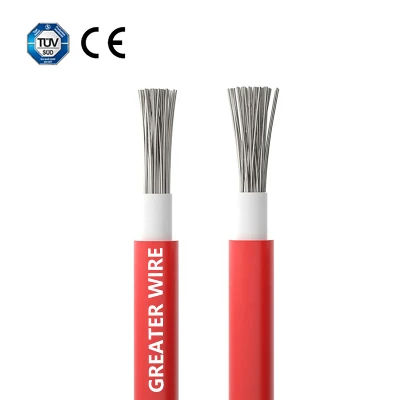
Solar Wire: Solar wire refers to the individual conductors inside the solar cable that are responsible for carrying electrical current. These wires are made from copper or aluminum and are typically color-coded (red for positive and black for negative) to indicate polarity. The size of the wire - measured in square millimeters (mm²) - determines the amount of current it can safely carry.

The Role of Solar Cable Size
The size of a solar cable or solar wire is one of the most important factors in determining the safety, efficiency, and performance of a solar power system. Properly sizing the cable ensures that the system can handle the electrical load without the risk of overheating or failure.
The load capacity of a cable refers to the amount of electrical current (measured in amps) that the cable can safely carry. If a cable is undersized for the amount of current flowing through it, the cable can overheat, potentially causing insulation breakdown, fire hazards, or damage to the electrical components of the system.
When selecting a solar cable size, you need to take several factors into account:
Ampacity: This is the maximum current a cable can carry safely without overheating. It depends on the wire material, insulation type, ambient temperature, and voltage rating.
Voltage Drop: The longer the cable run, the greater the voltage drop, which can reduce the efficiency of the system. Larger cables reduce voltage drop.
Safety: The cable must be chosen to prevent overloading, which could lead to dangerous conditions like electrical fires.
The Load Capacity of 4mm Solar Wire
To determine the load capacity of a 4mm solar wire, we need to consider the type of conductor material, insulation, ambient temperature, and the system's voltage. Let's break down these factors one by one.
1. Conductor Material: Copper vs. Aluminum
The most common conductor materials used in solar wires are copper and aluminum, both of which have different electrical properties.
Copper: Copper has excellent conductivity, meaning it can carry more current than aluminum of the same size. Copper solar wire is the most commonly used material in solar installations, especially in residential and small commercial systems. For a 4mm copper solar wire, the ampacity can range from 25 to 35 amps depending on the insulation and installation conditions.
Aluminum: Aluminum is less conductive than copper, so an aluminum cable needs to be larger in diameter to carry the same current. For a 4mm aluminum wire, the ampacity is generally around 20 to 30 amps, depending on the insulation material and temperature conditions. Aluminum is more cost-effective than copper and may be used in larger installations where cost savings are important.
In general, copper is more commonly used for 4mm solar wire, as it provides better conductivity and efficiency.
2. Insulation Material and Temperature Rating
The insulation around the wire is crucial for determining the wire's ampacity. Insulation materials such as cross-linked polyethylene (XLPE), ethylene tetrafluoroethylene (ETFE), and polyvinyl chloride (PVC) provide various levels of protection against heat, UV radiation, and mechanical wear.
XLPE Insulation: This type of insulation has high heat resistance and is commonly used for solar cables because it can withstand high temperatures, often up to 90°C or more. With XLPE insulation, a 4mm copper solar wire can safely carry approximately 35 amps under normal conditions.
ETFE Insulation: ETFE provides excellent protection against UV radiation and is ideal for outdoor use in solar systems. With ETFE insulation, a 4mm copper solar wire may handle a similar or slightly higher ampacity of around 35 amps.
The ambient temperature also plays a significant role in determining the load capacity. Cables will have lower ampacity in higher temperatures. For example, in environments where temperatures consistently exceed 40°C, the ampacity of the 4mm solar wire will be reduced. In such cases, you may need to use a larger cable to compensate for the loss in capacity due to heat.
3. Voltage Rating of the System
The voltage rating of a solar system determines the amount of current needed to transmit the same amount of power. Typically, solar systems operate at either low voltage (e.g., 12V, 24V) or high voltage (e.g., 600V, 1000V for large systems). The higher the system voltage, the smaller the current needed to transmit the same amount of power.
For a 12V or 24V solar system, a 4mm solar wire will need to carry more current compared to a 600V system, where the current required will be much lower for the same power output.
For a 12V system, the ampacity of a 4mm copper wire could be close to 25-30 amps, while for a 48V or 600V system, the ampacity can go up to 35 amps for the same size wire, depending on the insulation and ambient temperature.
4. Cable Length and Voltage Drop
Another factor that influences the load capacity of the 4mm solar wire is the length of the cable. The longer the cable run, the greater the voltage drop, which reduces the amount of power delivered to the system. Voltage drop is proportional to the resistance of the wire, and larger cables with a greater cross-sectional area offer less resistance and therefore reduce voltage drop.
For short cable runs (less than 10 meters), a 4mm copper solar wire should be sufficient for carrying 25 to 35 amps. However, for longer cable runs, you may need to use thicker wires (e.g., 6mm² or 10mm²) to reduce voltage drop and improve efficiency.
How to Calculate the Load Capacity of a 4mm Solar Wire
To calculate the load capacity of a 4mm solar wire, you need to consider the following steps:
Determine the Current: The first step is to calculate the amount of current that will flow through the wire. This depends on the system's voltage and power output. For instance, for a 12V system, if your solar panels are generating 500W of power, the current required would be:
I=PV=500W12V=41.67AI = \frac{P}{V} = \frac{500W}{12V} = 41.67AI=VP=12V500W=41.67A
Select the Right Wire Material: Choose whether you will use copper or aluminum for the wire. Copper wires have a higher ampacity, so for the same current, a 4mm copper wire will be sufficient to carry more current than an aluminum wire.
Account for Cable Length and Voltage Drop: If the cable run is long, you may need to increase the wire size to reduce voltage drop and maintain system efficiency.
Check Insulation Type and Temperature Rating: Ensure that the insulation material and temperature rating of the wire suit your installation conditions. For instance, if the system operates in an environment with high ambient temperatures (e.g., 40°C), the ampacity of the wire will decrease, and a larger wire may be needed.