



As part of clean energy, solar power generation has gradually become an important part of the global energy transformation. With the expansion of solar power generation, the selection and application of cables have become particularly critical. This article will explore the main characteristics of solar cables, especially the important role of cross-linked polyethylene (XLPE), the outer sheath material of H1Z2Z2-K cables, in solar systems.

1. Basic knowledge of solar cables
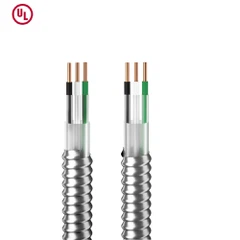
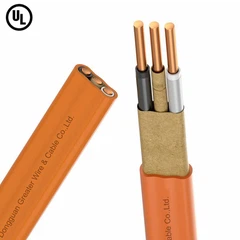
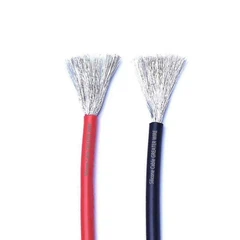
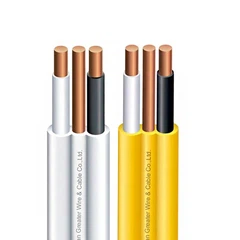
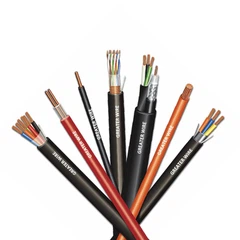
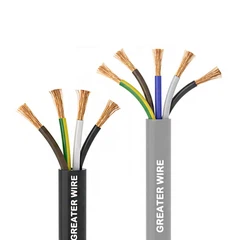
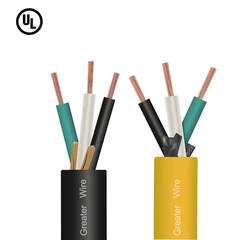
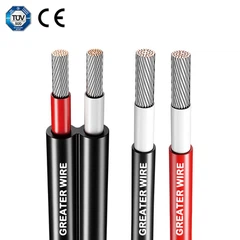
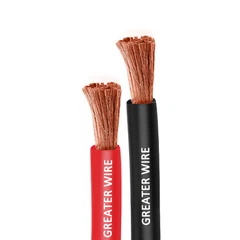
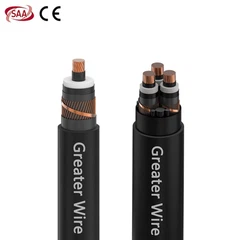
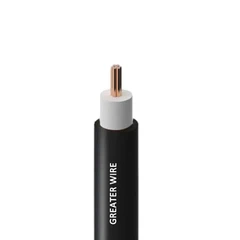
Solar cables are cables designed for solar systems, mainly used to connect photovoltaic panels with inverters, batteries and other equipment. Compared with ordinary cables, solar cables are designed to be weather-resistant, UV-resistant, high-temperature-resistant and anti-aging, to ensure that they still maintain excellent performance during long-term outdoor use.

2. Introduction to H1Z2Z2-K cables
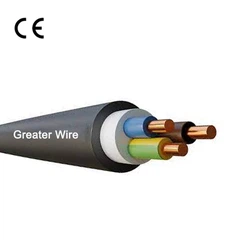
H1Z2Z2-K cables are solar cables that comply with European standard EN 50618. This cable is mainly used for AC and DC power transmission in solar photovoltaic systems. Its outer sheath is made of cross-linked polyethylene (XLPE), which makes the cable have good weather resistance and long-term reliability in outdoor environments. Cross-linked polyethylene has high thermal stability and can effectively resist the influence of ultraviolet rays, climate change and other external factors on the cable.

3. Advantages of outer sheath material-cross-linked polyethylene (XLPE)
Cross-linked polyethylene (XLPE) is a polyethylene material treated by a cross-linking process. Its application in solar cables is mainly due to its excellent physical properties and chemical stability. The following are some of the main advantages of XLPE materials:
High temperature resistance: Cross-linked polyethylene has a high melting point and can work for a long time in a high temperature environment without softening or degradation.
Weather resistance: The material can resist the influence of ultraviolet rays, ozone and other natural factors, and adapt to long-term outdoor environments.
Corrosion resistance: XLPE material has strong resistance to moisture, chemicals and oils, and is suitable for use in various harsh environments.
Excellent electrical insulation performance: The high insulation of XLPE material ensures the safety of the cable and avoids power leakage or short circuit problems.
These characteristics enable H1Z2Z2-K cables to operate stably for a long time in solar power generation systems, which not only ensures the safety of power transmission between photovoltaic modules and other equipment, but also effectively reduces the risk of failure caused by cable aging.

4. The relationship between solar cables and solar energy systems
Solar cables (solar wire) are an indispensable part of solar energy systems. They are responsible for connecting different components in photovoltaic power generation systems. Generally, solar cables are divided into two categories: DC cables and AC cables. DC cables are mainly used to connect photovoltaic panels to inverters, while AC cables connect inverters to the grid or batteries. Since cables need to operate for a long time in outdoor environments, their protective performance is essential.
Standards for solar cables: H1Z2Z2-K cables comply with international standards and European standard EN 50618 to ensure the quality and reliability of cables. These standards specify the performance requirements of cables such as temperature resistance, weather resistance, and UV resistance, ensuring the safe operation of solar energy systems.
Cable selection criteria: In addition to the selection of outer sheath materials, the selection of suitable solar cables also requires consideration of the conductive material of the cable, the thickness of the insulation layer, and the durability of the cable. Especially in high temperature, high humidity and high ultraviolet environment, the quality of the cable directly affects the power generation efficiency and service life of the solar energy system.

5. Maintenance and management of solar cables
The long-term stable operation of solar cables is the key to ensure the efficient operation of photovoltaic power generation systems. When installing cables, cables of appropriate specifications should be selected according to the specific requirements of the system to ensure that their electrical and physical properties meet the standard requirements. At the same time, the daily maintenance of solar cables should not be ignored. Regularly check the appearance, insulation layer and connection of the cable at the interface, and promptly discover and deal with problems such as aging and damage of the cable, which can effectively improve the reliability of the system.
Cable inspection: Check whether the outer sheath of the cable is worn or cracked to ensure that there is no exposed conductor or short circuit risk.
Clean the cable: Keep the surface of the cable clean to avoid dust and debris that affect the heat dissipation and normal operation of the cable.
Avoid cable bending: When installing the cable, avoid excessive bending and maintain an appropriate bending radius to prevent damage to the internal conductor of the cable.

6. Future development trends
With the development of the photovoltaic industry, the technology of solar cables is also constantly improving. In the future, solar cables will achieve breakthroughs in the following aspects:
Higher durability and adaptability: With the advancement of technology, new cable materials will further improve the performance of high temperature resistance, corrosion resistance, UV resistance, etc.
Intelligent management: With the application of the Internet of Things and intelligent technology, future solar cables will be able to monitor the health status of cables in real time, detect faults in time and issue early warnings, thereby improving the stability and efficiency of the entire system.
Green environmentally friendly materials: Environmental protection has become a global focus. In the future, solar cables will pay more attention to the use of environmentally friendly materials, reduce pollution to the environment, and improve resource utilization efficiency.