

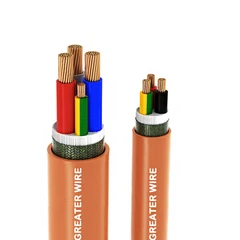
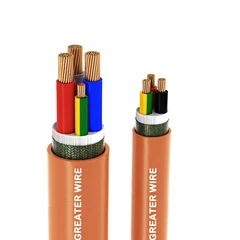

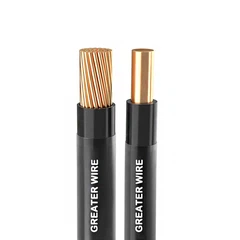
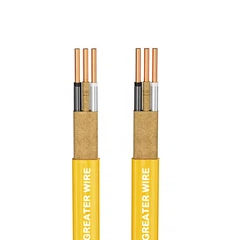
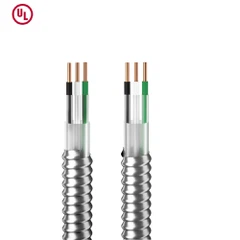
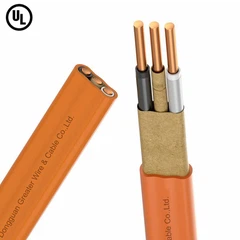
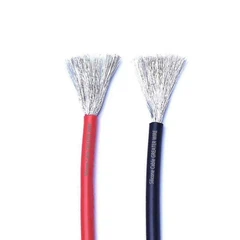
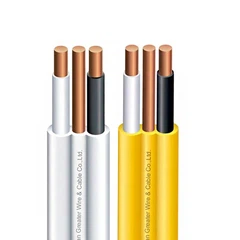
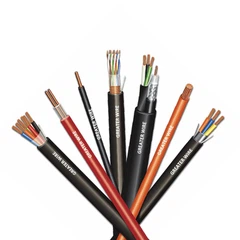
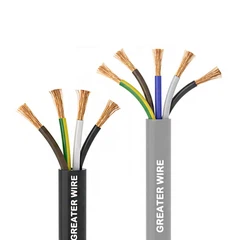
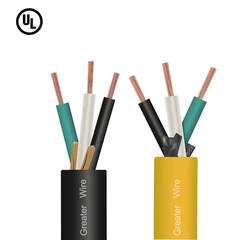
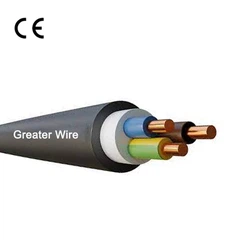
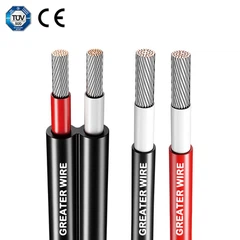

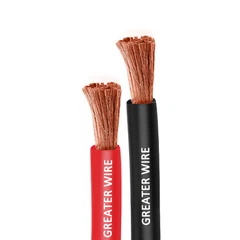
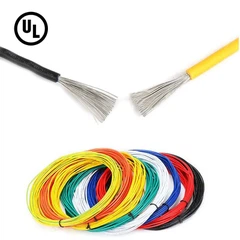
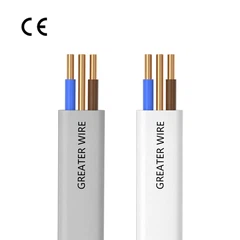
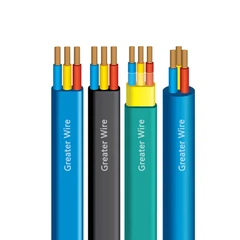
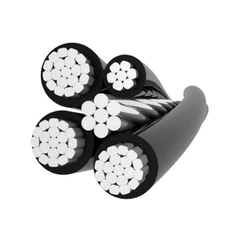
THHN wire (Thermoplastic High Heat-resistant Nylon-coated wire) is one of the most commonly used electrical cables in both residential and industrial applications. With its high heat resistance, durability, and abrasion resistance, THHN wire has earned a reputation for being highly reliable and versatile across a broad range of uses. In this article, we will explore what THHN wire is, its various applications, and the benefits it offers to electricians and engineers across different industries.


What is THHN Cable?
THHN wire is an electrical wire designed for use in dry, commercial, and residential environments. The name "THHN" stands for:
T: Thermoplastic, meaning the insulation is made from a heat-resistant plastic material.
H: High heat-resistant, indicating that the wire can handle relatively high temperatures.
H: Heat-resistant, which ensures that the insulation can resist high temperatures without degrading.
N: Nylon-coated, which provides additional protection against abrasion and mechanical damage.
Typically made of copper, although aluminum versions are available in larger sizes (such as 6 THHN wire), THHN wire features PVC insulation for electrical protection, and a nylon jacket that provides protection against abrasion, moisture, and physical wear.
Key Features of THHN Wire:
Voltage rating: 600 volts (maximum in dry conditions).
Temperature rating: Up to 90°C (194°F) in dry locations.
Material: Copper (standard), aluminum (for larger gauges).
Application: Primarily used for dry locations, but versions such as THWN (Water-resistant) are available for wet environments.

Common Uses of THHN Wire
THHN wire is used in a wide array of electrical applications due to its combination of features such as high heat resistance, durability, and flexibility. Below are the primary areas in which THHN wire is most commonly used:
1. Residential Wiring
In homes, THHN wire is one of the most common choices for internal wiring. It is used to power electrical outlets, light switches, and appliances, as well as for wiring circuit panels. Its durability and flexibility make it suitable for tight installations in walls, ceilings, and floors, while its heat resistance ensures it performs safely even under high load conditions.
Applications:
Lighting circuits: For powering lighting fixtures throughout the home.
Electrical outlets: Providing power to power outlets and appliances.
Switches and dimmers: Wiring for switches, dimmers, and circuit controls.
Ceiling fans: Wiring for fans and related electrical equipment.
THHN wire is typically installed within a conduit system (such as EMT or PVC) in residential buildings to prevent damage from external factors and to meet code requirements for safe electrical installation.

2. Commercial Electrical Installations
THHN wire is also commonly used in commercial buildings, where it plays an essential role in lighting, power distribution, and other systems. In these settings, THHN wire helps power everything from office lighting and HVAC systems to elevators and electric heating units. Its high heat resistance makes it especially effective in areas with high power demands, such as large office complexes or retail stores.
Applications:
Lighting circuits: Providing power to office and retail lighting systems.
HVAC systems: Wiring for heating, ventilation, and air conditioning units.
Electrical panels: Powering circuit boards and panel installations.
Control systems: Wiring for controls and system management equipment.
THHN wire is often used in conduit systems (both metallic and non-metallic), which help protect the wire from potential physical damage in high-traffic areas or industrial settings.

3. Industrial Machinery and Equipment
In industrial applications, THHN wire is commonly used to provide electrical power to heavy machinery and equipment. The wire's nylon coating ensures that it can handle the abrasion and wear and tear typical of industrial environments. It is also used in wiring for large motors, compressors, and generators, where the demand for electrical power is higher and the risk of mechanical damage is greater.
Applications:
Industrial machinery: Powering heavy-duty machines and equipment.
Motor controls: Wiring for electrical motor control systems.
Generators: Providing power to industrial backup and main generators.
Machine tools: Wiring for industrial tools and equipment.
In these settings, THHN wire helps ensure the continuous and safe operation of machinery while maintaining a high degree of reliability under intense conditions.

4. Power Distribution Systems
For large power distribution systems, THHN wire plays a crucial role in delivering electrical power over long distances from substations to buildings and factories. Its heat-resistant properties and mechanical strength allow it to be used in high-power circuits and systems, ensuring the safe transportation of electricity even in large commercial and industrial setups.
Applications:
Main distribution panels: Wiring from the main electrical panel to various circuits.
Substations: Powering various substation components.
Power lines: Used for internal wiring or underground electrical distribution lines.
Branch circuits: Running power from distribution points to outlets, appliances, and machinery.
Larger sizes, such as 6 THHN wire, are typically used in power distribution applications, where a higher capacity for electrical current is required.

5. Underground and Outdoor Applications
While THHN wire is not recommended for direct exposure to moisture or water, it is frequently used in conduit systems for outdoor and underground wiring when the conduit protects the wire from environmental elements. For applications involving wet or damp locations, THWN (Thermoplastic Heat and Water-resistant Nylon-coated) wire is often preferred as it is specifically rated for wet conditions.
Applications:
Underground conduit: Used for underground wiring, typically inside protective conduit.
Outdoor conduit: Wiring for outdoor systems within a protective conduit.
Electrical panels: Wiring for outdoor or ground-based electrical installations.
For wiring exposed directly to environmental hazards, THWN or XHHW (Cross-Linked High Heat Water-resistant) cables are better suited for outdoor environments.

Advantages of Using THHN Wire
The widespread adoption of THHN wire can be attributed to its unique set of advantages that make it highly suitable for a variety of electrical applications:
1. Heat Resistance
THHN wire is designed to handle temperatures up to 90°C (194°F) in dry locations. This heat resistance makes it suitable for use in environments where electrical systems may generate significant amounts of heat. It ensures that the insulation does not degrade and cause short circuits or fire hazards under normal operating conditions.

2. Durability and Long-Lasting Protection
The nylon coating on THHN wire provides excellent abrasion resistance, which helps protect the wire from physical damage during installation or while in use. This increases the overall lifespan of the wire and reduces the need for maintenance or replacement.

3. Flexibility and Ease of Installation
Unlike some heavier, less flexible cables, THHN wire is designed to be flexible, making it easier to route through tight spaces or across complex systems. This flexibility helps reduce installation time and costs, especially in large or intricate installations such as wiring for industrial equipment or commercial buildings.

4. Cost-Effective
THHN wire is a relatively cost-effective choice for many electrical projects. Its long-lasting performance, heat resistance, and abrasion resistance help reduce overall maintenance and replacement costs. For electricians and engineers, THHN wire is a go-to option that balances performance with affordability.

What is 6 THHN Wire Used For?
6 THHN wire is a larger-gauge version of THHN wire that is commonly used in high-capacity applications. It is capable of handling more significant electrical loads and is frequently used in main power distribution systems or other systems requiring higher amperage.
Applications of 6 THHN Wire:
Main electrical panels: Power distribution from main panels to secondary systems.
Heavy machinery: Wiring for large motors, machines, and industrial equipment.
Underground circuits: For high-power underground wiring systems.
Generators: Wiring for backup power systems that require higher voltage and amperage.