























THHN wire, or Thermoplastic High Heat-resistant Nylon-coated wire, is one of the most commonly used electrical wires in both residential and commercial applications. Known for its heat resistance, abrasion resistance, and flexibility, THHN wire is a versatile option that plays a critical role in power distribution, lighting, and control systems. However, a common question that arises during installation or use is whether THHN wire can get wet or whether it is suitable for wet environments.
In this article, we will examine whether THHN wire can be exposed to moisture, the limitations of using wire THHN in wet conditions, and the specific applications of THHN wire in various environments. We will also discuss when to use THHN wire, 6 THHN, and its potential limitations for wet applications.
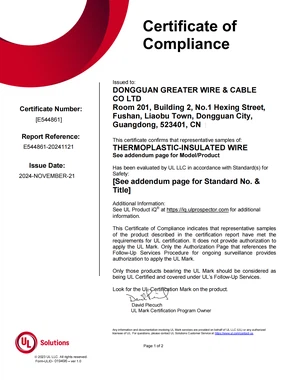
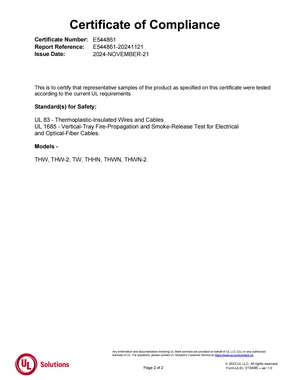
1. What is THHN Wire?
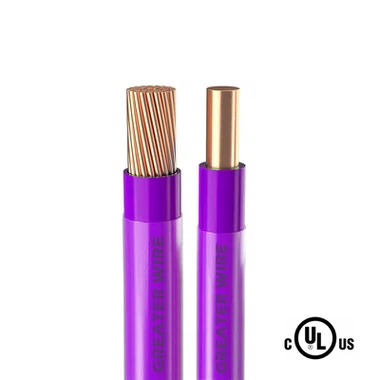
Before delving into the suitability of THHN wire in wet conditions, it is important to understand the characteristics of THHN wire itself. THHN wire is an electrical wire with a thermoplastic insulation and nylon coating. The thermoplastic insulation is made from PVC (Polyvinyl Chloride), while the outer coating is made of nylon, providing additional protection against mechanical damage and abrasion.
Key Properties of THHN Wire:
Heat Resistance: THHN wire is rated for use in dry environments with a temperature rating of up to 90°C (194°F). This makes it suitable for residential and commercial electrical wiring.
Insulation: The PVC insulation offers protection from electrical faults, while the nylon coating helps in resisting abrasion and reducing the risk of damage from external physical forces.
Voltage Rating: THHN wire is typically rated for a 600V electrical system, which makes it useful in a variety of electrical applications.
Material: The wire's conductor is often made of copper, although aluminum versions are available for larger gauges like 6 THHN.
Flexibility: THHN wire is flexible and can be bent or twisted without compromising its integrity, making it easier to install in conduit or tight spaces.
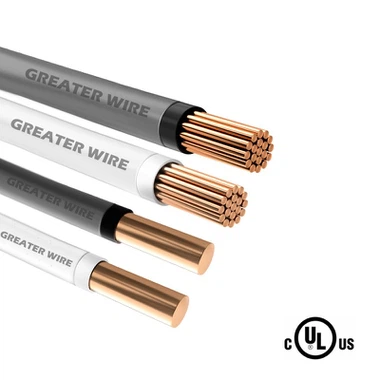
2. Can THHN Wire Get Wet?
The short answer to whether THHN wire can get wet is no, it is not recommended to use THHN wire in wet or damp conditions unless the wire is specifically marked as THWN or THW (with "W" denoting water-resistant properties). This is because the PVC insulation used in THHN wire is designed to withstand only dry conditions, and prolonged exposure to moisture could degrade the material and compromise the wire's ability to safely carry electricity.
Why THHN Wire Should Not Get Wet:
PVC Insulation: The primary insulation used in THHN wire is PVC, which provides protection against heat and electrical faults but is not water-resistant. If THHN wire is exposed to moisture, the insulation can break down over time, leading to short circuits, electrical faults, or even fire hazards.
Potential for Corrosion: THHN wire, particularly when made with copper conductors, can be more vulnerable to corrosion if exposed to water. The outer nylon coating helps protect against abrasion, but it does not prevent water from affecting the wire's performance in humid or wet conditions.
Electrical Safety: Moisture can potentially cause leakage currents or short circuits, especially when THHN wire is installed in environments prone to dampness or wetness, like underground systems, outdoor installations, or in wet utility areas.
Exceptions and Water-Resistant Variants:
While standard THHN wire should not get wet, there are variants of THHN wire that are designed to be more resilient to moisture. For example, THWN wire (Thermoplastic Heat and Water-resistant Nylon-coated wire) can withstand exposure to water and is safe to use in both wet and dry conditions. This makes THWN wire a better choice for environments where the wire may be exposed to moisture, such as outdoor or underground wiring.
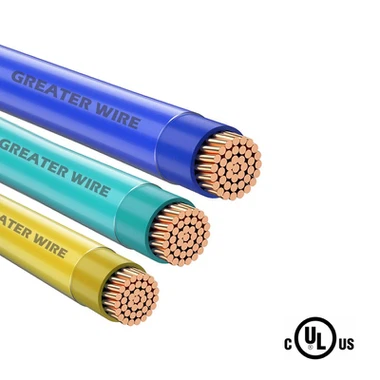
3. THHN vs. THWN: Understanding the Differences
The main difference between THHN and THWN wire is the moisture resistance of the insulation. Let's take a closer look at the two:
THHN Wire:
Application: Primarily used in dry environments.
Insulation: The insulation is made of PVC and provides heat and abrasion resistance, but it is not water-resistant.
Limitations: THHN wire should not be used in locations where moisture is present, such as in outdoor applications, wet areas, or underground installations unless it is placed in a protective conduit.
THWN Wire:
Application: Suitable for use in both dry and wet environments.
Insulation: The insulation is made of PVC and is rated for water resistance, making it safe for use in locations where the wire may be exposed to moisture.
Advantages: If your installation is in a wet or damp location, THWN wire should be the preferred choice.
In many cases, the two types of wire, THHN and THWN, may be combined in one product, and you will find wire marked as THHN/THWN. This designation indicates that the wire can be used in both dry and wet conditions, making it more versatile than THHN wire alone.
4. When to Use THHN Wire: Applications and Limitations
Despite the fact that THHN wire is not suitable for wet environments, it has a wide range of applications, particularly in dry and protected conditions. Below are some common uses of THHN wire:
Residential Wiring:
Indoor Circuitry: THHN wire is commonly used for indoor wiring in residential homes, such as in electrical outlets, lighting circuits, and appliance connections.
Dry Locations: In areas where moisture is not a concern, such as inside walls or ceilings, THHN wire provides an efficient and durable option for power distribution.
Commercial and Industrial Applications:
Conduit Systems: THHN wire is frequently used in conduit systems (such as electrical metal tubing or PVC conduit), where it is protected from environmental factors, including moisture and physical damage.
Power Distribution: THHN wire is often used in power distribution circuits, control circuits, and lighting systems, providing reliable electrical current to a wide variety of equipment and machinery.
Where to Avoid Using THHN Wire:
Wet Locations: THHN wire should not be used in wet or damp locations, such as basements, outdoor installations exposed to rain, or underground systems. For these areas, THWN wire or UF wire (underground feeder wire) should be used instead.
Direct Exposure to Moisture: If THHN wire is used in areas where it could be exposed to moisture, ensure that it is properly protected in a conduit or other waterproof enclosure.

5. 6 THHN Wire and Its Limitations in Wet Environments
As we move into larger gauges, 6 THHN wire (6 AWG size) is used for heavier power distribution and large commercial installations. The limitations of using 6 THHN wire in wet environments are the same as those for smaller sizes of THHN wire.
While 6 THHN wire can handle higher electrical loads (up to 55-65 amps, depending on the installation and conditions), it is still not suitable for use in areas with exposure to water or high moisture levels. If you're planning to use 6 THHN wire for an outdoor application or in a damp location, it's essential to choose an appropriate moisture-resistant alternative such as THWN or XHHW wire.