

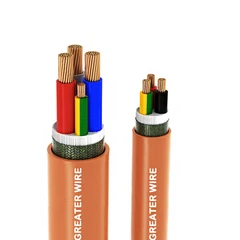
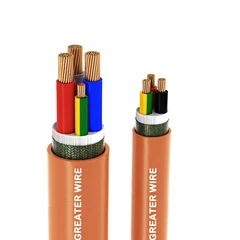

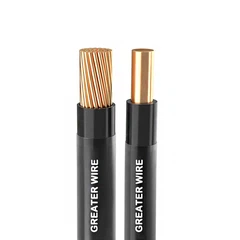
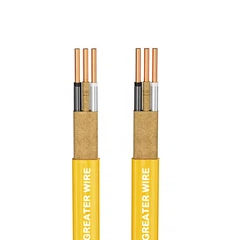
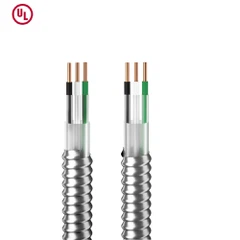
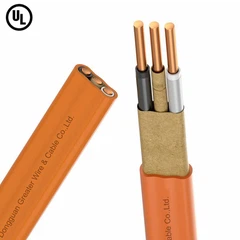
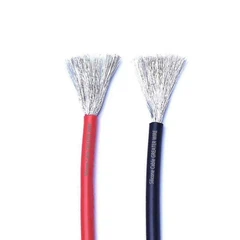
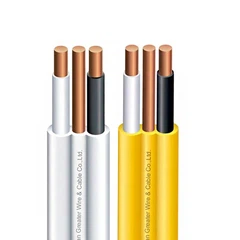
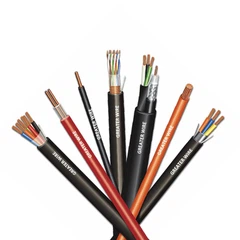
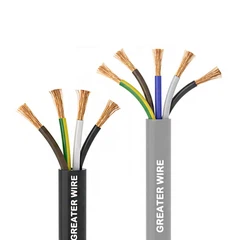
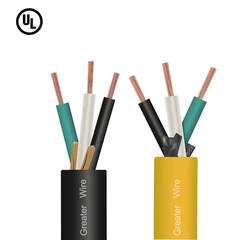
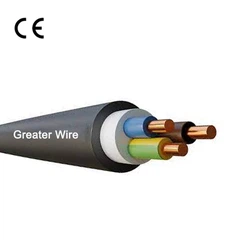
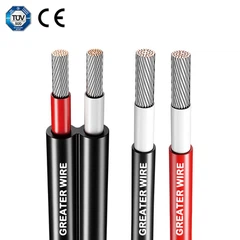

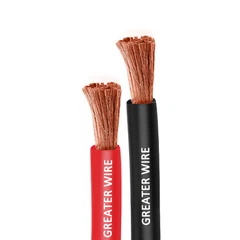
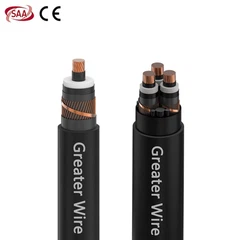
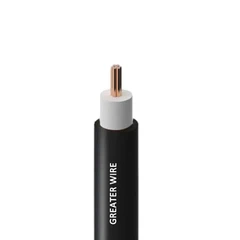
In the world of electrical wiring, one of the most commonly used types of cables for low-voltage installations is TPS cable (Thermoplastic Sheathed Cable). This versatile cable is favored for its durability, flexibility, and ease of installation, making it suitable for a wide range of applications in residential, commercial, and industrial electrical systems. However, like all cables, it is important to understand the composition and materials used in its construction to ensure it meets the necessary requirements for safety, performance, and longevity. In this article, we will explore the materials that make up TPS cables, how they function together to protect the electrical conductors, and the advantages of using TPS electrical cables in various applications.


1. What is TPS Cable?
Before we dive into the materials that make up TPS cables, let's first define what TPS cable is and why it is widely used.
A TPS cable is a type of electrical cable that consists of several internal components, including electrical conductors, insulation, and protective sheathing, designed to carry electrical power to various appliances, systems, and machinery. The term "TPS" stands for Thermoplastic Sheathed Cable, which indicates that the outer layer of the cable is made of thermoplastic material, usually PVC (Polyvinyl Chloride). These cables are typically designed for low-voltage applications, with standard voltage ratings ranging from 450V to 750V, depending on the type of installation.
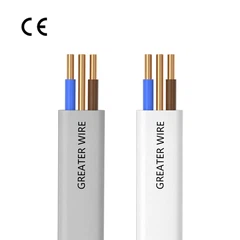
The key feature of TPS cables is their robust construction, which includes an insulating layer around each conductor to prevent electrical short circuits and an outer sheath that offers additional protection against environmental elements. Flat TPS cables are often used when there is limited space, as they can be easily installed in tight spaces or along walls.

2. Materials that Make Up TPS Cable
TPS cables are made from various materials that contribute to their performance, durability, and safety. Let's break down the key components of a typical TPS electrical cable:
2.1 Conductors
The conductor is the central element of the TPS cable that carries the electrical current from the power source to the load. Conductors are typically made of metals that have high electrical conductivity, such as:
Copper: Copper is the most common material used for the conductors in TPS cables. It is an excellent conductor of electricity, ensuring minimal power loss and efficient energy transmission. Copper wires also have good mechanical strength, which makes them durable and resistant to wear and tear. Due to copper's relatively high cost, copper-conducted TPS cables are generally used in more critical applications where reliability is paramount.
Aluminum: In some instances, TPS cables may use aluminum as the conductor material. Aluminum is a less expensive alternative to copper, and although it has a lower conductivity than copper, it is still a suitable choice for many low-voltage applications. Aluminum conductors are typically used in larger cables where weight is a concern, as aluminum is lighter than copper.
The conductors are typically insulated with a material that helps prevent electrical shorts, enhances safety, and protects against environmental factors like moisture and temperature variations.
2.2 Insulation
Each conductor inside a TPS cable is wrapped in an insulating layer that prevents short circuits and ensures that the electrical current flows along the correct path. The insulation also protects the conductors from physical damage and environmental factors. The key insulating materials used in TPS cables include:
PVC (Polyvinyl Chloride): The most common insulating material in TPS cables is PVC. PVC is a thermoplastic material that provides excellent electrical insulation and resistance to moisture, chemicals, and heat. PVC insulation ensures that the conductors are protected from external damage, as well as preventing electrical leakage or short-circuiting. In addition to being cost-effective, PVC is durable and resistant to wear, making it an ideal choice for low-voltage cable applications.
XLPE (Cross-linked Polyethylene): In some specialized TPS cables, a different type of insulation, such as XLPE, may be used. XLPE is a form of polyethylene that has been chemically treated to enhance its electrical and thermal properties. XLPE insulation is highly resistant to heat and is often used in higher temperature or industrial settings. However, PVC remains the standard insulation material for most TPS cables.
The thickness of the insulation layer can vary depending on the voltage rating and the intended application of the cable.
2.3 Outer Sheath
The outer sheath of a TPS electrical cable is a crucial part of its construction, as it provides the final layer of protection against external environmental factors, including physical damage, UV rays, moisture, and chemicals. The sheath also gives the cable its structural integrity, ensuring that the cable maintains its form during installation and use. The materials used for the outer sheath include:
PVC (Polyvinyl Chloride): The outer sheath of most TPS cables is made of PVC, a durable thermoplastic material that provides excellent resistance to moisture, chemicals, and UV radiation. PVC sheathing is lightweight, flexible, and easy to work with, making it ideal for a wide range of installations. It is also highly cost-effective, which contributes to the affordability of TPS cables.
Rubber: In some cases, TPS cables may feature a rubber outer sheath. Rubber sheaths offer enhanced flexibility and resistance to extreme temperatures and physical wear. Rubber sheathed cables are often used in applications where the cable will be exposed to harsh conditions, such as in heavy machinery or outdoor environments.
The outer sheath is designed to be durable enough to withstand the mechanical stresses that might occur during installation or normal use. For example, when installing flat TPS cables in confined spaces or along walls, the sheath helps protect the cable from friction, abrasions, and impacts.
2.4 Filler Materials and Stranding
In addition to the main components-conductors, insulation, and sheath-TPS cables may also include filler materials that help maintain the cable's shape and flexibility. These fillers can be made from various materials such as:
Fiberglass: Some TPS cables use fiberglass filler to provide additional strength and maintain the cable's form. Fiberglass is lightweight, yet strong, and is used to improve the overall durability of the cable.
Polypropylene or Other Plastics: Other types of fillers may include polypropylene or other plastic materials, which are used to fill the spaces between conductors, helping to maintain the integrity of the cable while also enhancing its flexibility.
Additionally, TPS cables may have conductors that are either solid or stranded. Stranded conductors are made up of multiple smaller wires twisted together, making the cable more flexible and resistant to breakage. Solid conductors, on the other hand, are a single, thicker wire that is more rigid but can be more durable in certain applications.

3. How TPS Cable is Constructed
The construction of TPS cables involves a series of steps to combine the materials discussed above. The basic construction process is as follows:
Conductor Formation: The copper or aluminum wires are drawn to the desired gauge and then shaped into either solid or stranded conductors.
Insulation Application: The conductors are then coated with a layer of PVC or another insulating material, ensuring that the individual wires are electrically isolated from each other.
Filling and Stranding (if necessary): For stranded conductors, the individual strands of wire are twisted together. The filler materials are then added to fill any voids and enhance the flexibility of the cable.
Sheathing: The insulated conductors are wrapped in an outer sheath of PVC or rubber. This sheath is designed to provide additional protection from environmental factors and mechanical damage.
Testing and Quality Control: After the cable is assembled, it undergoes testing to ensure it meets the required electrical, mechanical, and safety standards.

4. Advantages of TPS Cables
The combination of materials in TPS cables provides several advantages that make them a popular choice for electrical wiring in various applications:
Durability: The PVC insulation and sheath offer excellent protection against moisture, chemicals, and UV radiation, ensuring the longevity of the cable.
Flexibility: Flat TPS cables are highly flexible, making them easy to install in confined spaces, such as behind walls or under floors.
Cost-Effectiveness: The use of PVC and other affordable materials makes TPS cables a cost-effective option for both residential and commercial installations.
Safety: The thermoplastic insulation and sheathing provide effective electrical insulation, reducing the risk of electrical faults or fire hazards.
Ease of Installation: The flat design of TPS cables makes them easy to handle and install in a variety of settings, whether inside buildings or for outdoor electrical systems.

5. Applications of TPS Cables
TPS cables are used in a wide range of applications, including:
Residential Wiring: TPS electrical cables are commonly used for wiring lighting circuits, power outlets, and appliances in homes.
Commercial and Industrial Wiring: TPS cables are used in commercial buildings and factories to power machinery, equipment, and lighting systems.
Outdoor Installations: When installed with appropriate protection, TPS cables can be used for outdoor electrical systems, such as garden lighting or irrigation systems.
Low-Voltage Applications: TPS cables are primarily used in low-voltage systems, typically rated up to 450/750V.