

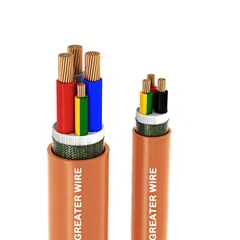
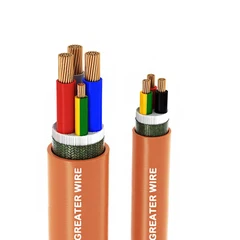

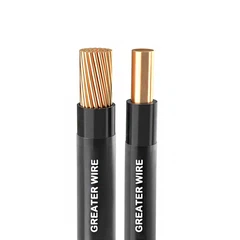
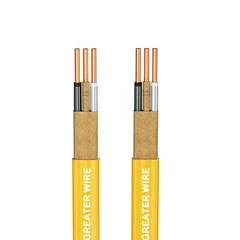
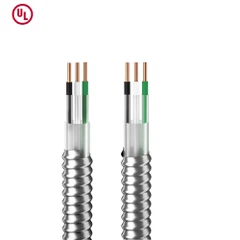
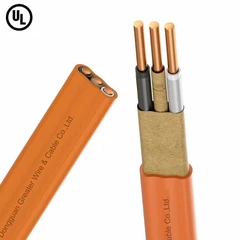
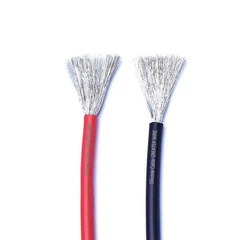
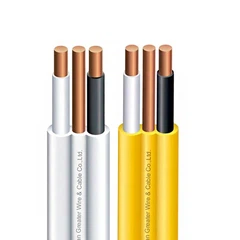
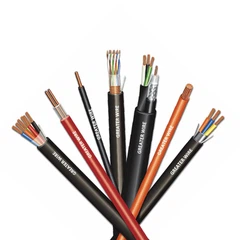
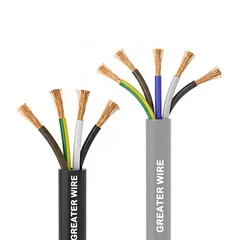
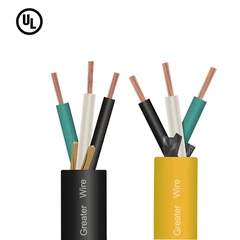
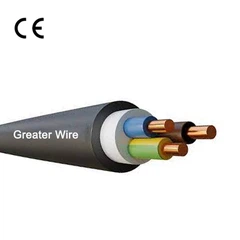
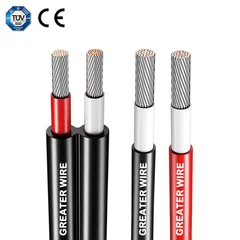

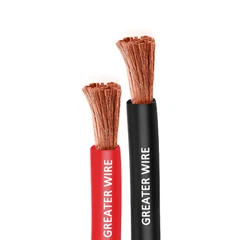
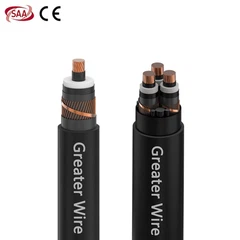
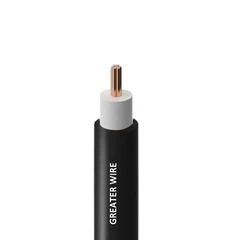
Electrical cables come in a variety of types, each designed for specific applications, and TPS cables (Thermoplastic Sheathed Cables) are among the most commonly used for residential, commercial, and light industrial wiring. Identifying TPS cables correctly is crucial for ensuring the safety, reliability, and performance of electrical systems. Whether you're installing, repairing, or maintaining electrical systems, understanding how to identify a TPS electrical cable is essential. In this article, we will explore how to identify TPS cables, the key characteristics to look for, and the differences between TPS cables and other types of electrical cables. We will also discuss the construction, features, and markings that make it easy to recognize flat TPS cables.


1. What is a TPS Cable?
Before we discuss how to identify TPS cables, it is important to understand what they are and why they are used. TPS cables are a type of electrical cable commonly used for low-voltage power distribution in residential, commercial, and industrial settings. The term "TPS" stands for Thermoplastic Sheathed Cable, indicating that the cable has an outer sheath made from thermoplastic material, typically PVC (Polyvinyl Chloride), which offers insulation and protection for the internal conductors.
TPS cables are designed for a variety of applications, such as:
Power supply to residential homes
Wiring for light fixtures, outlets, and appliances
Light industrial or commercial applications where low voltage wiring is needed
A typical TPS cable consists of several components:
Conductors: Copper or aluminum wires that carry electrical current.
Insulation: PVC or other materials that insulate the individual conductors and prevent short circuits.
Outer Sheath: A protective outer layer, usually made of PVC, that shields the cable from environmental factors like moisture, heat, and physical damage.
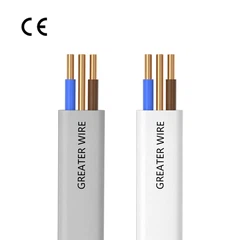
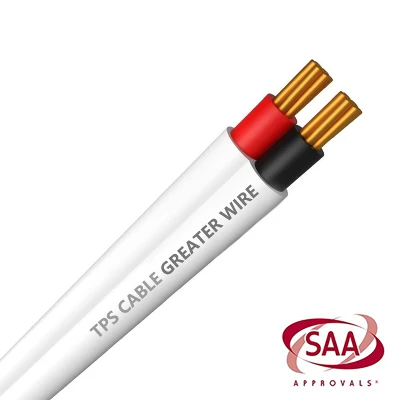
One of the distinctive features of TPS cables is their flat design, especially in the case of flat TPS cables, which are designed to be flexible and easy to install in tight spaces.
2. Key Features of TPS Cables
To effectively identify TPS cables, it is helpful to understand their key features and components. These features not only help in identifying the cable but also inform us about its suitability for different types of installations.
2.1 Conductors
The conductors inside a TPS electrical cable are typically made from copper or aluminum. These materials are chosen for their high electrical conductivity, which ensures efficient power transmission. Copper conductors are more commonly used in TPS cables because copper has excellent conductivity and resistance to corrosion, although aluminum conductors are also used in some lower-cost cables.
To identify TPS cables by their conductors:
Look for copper or aluminum wires inside the cable. Copper is the most common material, but some cheaper versions may use aluminum.
Stranded wires are often used in flat TPS cables to offer flexibility, while solid conductors might be found in thicker cables.
2.2 Insulation
The individual conductors inside TPS cables are insulated to prevent short circuits and electrical hazards. PVC (Polyvinyl Chloride) is the most commonly used insulation material in TPS cables due to its excellent dielectric properties, resistance to heat, and ability to resist environmental factors like moisture and abrasion.
When identifying TPS cables:
Check the insulation: It will be clear and color-coded to differentiate between the individual conductors (e.g., black, red, and blue for different phases, or brown for live, blue for neutral).
The insulation layer is generally thin and flexible, as the cable is designed to be compact and easy to handle.
2.3 Outer Sheath
The outer sheath of a TPS cable is another key feature to look for. This protective layer is typically made from thermoplastic PVC, though some cables may feature an additional rubber sheath for enhanced durability. The outer sheath provides protection against physical damage, moisture, and UV exposure, making it suitable for a wide range of indoor and outdoor applications.
To identify the outer sheath:
Feel the texture: TPS cables typically have a smooth, flexible outer sheath made from PVC. Some may have a slightly rougher texture or a harder feel depending on the type of PVC used.
Look for PVC labeling: Many TPS cables will have the letters "PVC" or other symbols printed on the sheath, indicating that the outer material is PVC.
2.4 Flat Design
One of the most distinguishing features of TPS cables, especially flat TPS cables, is their shape. Unlike round cables, flat TPS cables are designed to be thin and flexible, which makes them ideal for applications where space is limited or where a low profile is needed, such as under carpets, in ceilings, or along walls.
To identify a flat TPS cable:
Examine the shape: A flat TPS cable will appear thin and rectangular or flat, as opposed to the round shape of traditional cables.
Check the flexibility: The flat design of TPS cables makes them more flexible and easier to bend, which can be a useful characteristic when working in tight or confined spaces.

3. Markings on TPS Cables
One of the most reliable ways to identify TPS cables is by the markings that are printed on the outer sheath. Electrical cables, including TPS cables, are often marked with various details that provide information about the cable's specifications, intended use, and manufacturer.
Here are the common markings you might find on a TPS cable:
Cable Type: Look for markings that indicate the type of cable, such as "TPS" or "Thermoplastic Sheathed." This confirms that the cable is indeed a TPS cable.
Voltage Rating: TPS cables are typically rated for low-voltage applications, and this will be marked on the cable. Look for voltage ratings such as "450/750V," which indicates the maximum voltage the cable is designed to handle.
Conductor Material: The cable may also indicate whether the conductors are made from copper (Cu) or aluminum (Al), which can help in identifying the specific version of the TPS electrical cable.
Standards Compliance: The marking may include compliance with industry standards, such as the Australian standard AS/NZS 5000.2 for TPS cables or similar national and international standards.

4. Distinguishing TPS Cables from Other Cables
When working with electrical systems, it's important to know how TPS cables compare with other types of electrical cables. While TPS cables are commonly used for residential and commercial wiring, there are other types of cables that serve similar purposes but may have different construction and uses.
4.1 TPS Cable vs. Twin and Earth Cable
A common alternative to TPS cables is the twin and earth (T&E) cable, which is widely used in domestic electrical wiring. While both types of cable have two conductors (live and neutral), the primary difference is the presence of a grounding conductor in T&E cables. TPS cables, on the other hand, may or may not include a grounding conductor depending on the application.
To distinguish between TPS cables and twin and earth cables:
Check the presence of an earth conductor: If the cable includes a separate bare wire for grounding, it is likely a twin and earth cable.
Compare the insulation types: T&E cables usually have individual conductors insulated with PVC, and a single outer sheath of PVC that protects all three wires. TPS cables may have different insulation layers for each conductor and a flat outer sheath.
4.2 TPS Cable vs. Armored Cable
Another type of cable that may be confused with TPS cables is the armored cable, which is commonly used for outdoor and underground installations. Armored cables feature an additional layer of metal wire or steel armor to protect the internal conductors from physical damage.
To differentiate TPS cables from armored cables:
Check for armor: TPS cables do not have the metal armoring typically found in armored cables.
Examine the flexibility: Armored cables are much less flexible than TPS cables due to the presence of metal armor, while TPS cables (especially flat TPS cables) are designed for ease of bending and installation.

5. Applications of TPS Cables
TPS cables are primarily used for low-voltage electrical installations in residential and commercial settings. Some common applications include:
Power distribution for residential homes, including circuits for lighting, appliances, and outlets.
Wiring for indoor lighting and electrical fixtures in commercial buildings.
Power supply to outdoor installations, provided the cable is protected from exposure to the elements.
Flexible wiring for use in areas where space constraints demand a flat cable design.