



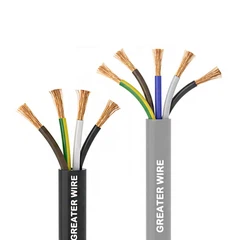
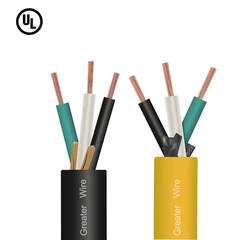
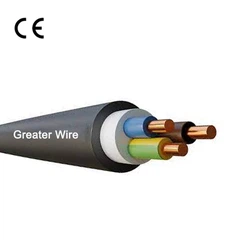
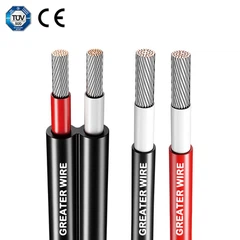


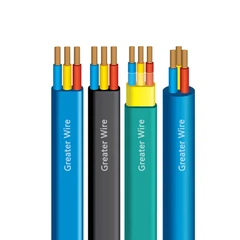
When choosing the right type of electrical cable for an installation, understanding the different characteristics and specifications of various cables is crucial. One common question that often arises regarding TPS cables is whether they contain three wires. The answer to this depends on the specific type of TPS electrical cable in question, as there are different variations of TPS cables, including those with two conductors, three conductors, and sometimes more.
In this article, we will explore the structure of TPS cables, explain what constitutes the typical wire configurations found in TPS cables, and discuss the role of flat TPS cables in electrical wiring. By the end of this article, you will have a clear understanding of the wiring configurations typically used in TPS cables and how they are applied in different electrical systems.


1. What is a TPS Cable?
To answer the question of whether a TPS cable has three wires, it's essential to first understand what a TPS cable is and its typical construction. TPS cables (Thermoplastic Sheathed Cables) are a type of electrical cable commonly used in residential, commercial, and light industrial installations. The term TPS refers to the thermoplastic material that is used for the outer sheath of the cable, usually PVC (Polyvinyl Chloride), which provides durability, protection, and resistance to environmental factors.
A typical TPS cable consists of:
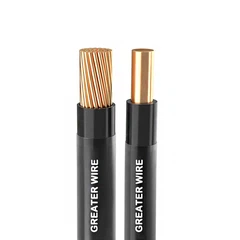
Conductors: These are the internal wires that carry electrical current. The conductors can be made from copper or aluminum, depending on the specific application and the cable's design.
Insulation: The individual conductors are insulated to prevent accidental short circuits and to ensure the safe transmission of electricity.
Outer Sheath: The outer layer of the cable, typically made of PVC, provides additional protection to the internal components, safeguarding the cable from physical damage, moisture, and other environmental factors.

2. How Many Wires Are in a TPS Cable?
The number of wires in a TPS cable depends on the configuration and the intended application. TPS cables are available in different conductor arrangements, and the most common configurations are as follows:
2.1 Two-Wire TPS Cable (Live and Neutral)
The most basic type of TPS electrical cable contains two conductors: one live (active) conductor and one neutral conductor. This two-wire TPS cable is commonly used for basic electrical circuits, such as lighting and small appliances, where only a live and neutral connection is required.
In this configuration:
Live (Active) Wire: This wire carries the electrical current from the power source to the load.
Neutral Wire: This wire completes the circuit by carrying the current back to the power source, enabling the flow of electricity.
This configuration is often used in single-phase circuits for residential and commercial applications. It is commonly found in standard TPS cables used for lighting, outlets, and basic power distribution.
2.2 Three-Wire TPS Cable (Live, Neutral, and Earth)
In more complex electrical installations, a TPS cable may contain three wires: one live wire, one neutral wire, and one earth (ground) wire. This configuration is typically used in circuits that require grounding for safety, such as for power outlets, large appliances, or equipment where electrical faults could pose a risk to users.
In this configuration:
Live Wire: Carries the electrical current to the load.
Neutral Wire: Carries the current back to the power source, completing the circuit.
Earth (Ground) Wire: Provides a safety mechanism by offering a path for current to flow to the ground in the event of a fault, such as a short circuit or an electrical surge.
This three-wire TPS cable is essential for ensuring safety in electrical systems, as the earth wire prevents electrical shocks and fires by redirecting excess current away from the user and safely to the ground.
2.3 Multi-Conductor TPS Cables
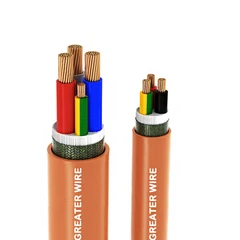
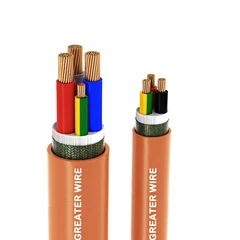
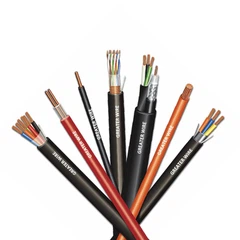
Some TPS cables are designed with more than three wires, particularly in specialized applications. These cables may contain additional wires to support multiple circuits or to provide more complex power distribution. For example, a TPS cable may have four or more conductors, where each conductor is designated for a different circuit or purpose. This multi-conductor configuration is commonly used in industrial or commercial electrical systems.
However, the basic configurations for TPS cables are typically limited to two or three wires. The use of multi-conductor cables depends on the specific needs of the installation.

3. Flat TPS Cables
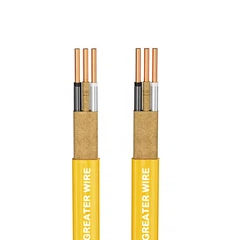
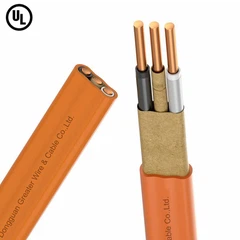
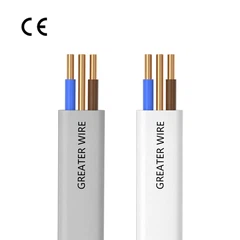
One variation of TPS cables is the flat TPS cable. Flat TPS cables are designed with a flat, flexible shape, which makes them ideal for installations in tight spaces or where a low-profile cable is required. These cables are commonly used in residential and commercial wiring, where flexibility, ease of installation, and space efficiency are priorities.
3.1 Wire Configuration in Flat TPS Cables
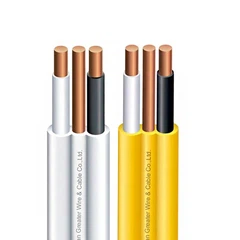
Flat TPS cables can come in two-wire, three-wire, or even multi-wire configurations, depending on the application. The most common configurations are:
Two-Wire Flat TPS Cable: This configuration consists of a live and a neutral wire, making it suitable for simple electrical circuits.
Three-Wire Flat TPS Cable: This configuration includes a live wire, a neutral wire, and an earth wire, making it ideal for circuits that require grounding for safety.
While flat TPS cables are popular for their compact design and ease of installation, they still adhere to the same wiring configurations as traditional round TPS cables. The primary difference is the shape and flexibility, rather than the number of conductors.

4. What is the Role of the Earth Wire in TPS Cables?
The earth wire, or ground wire, plays a vital role in the overall safety of an electrical system. In a three-wire TPS cable, the earth wire is an essential component for grounding the electrical system. The earth wire provides a direct path for electricity to flow to the ground in the event of a fault, such as if a live wire comes into contact with a metal part of an appliance or structure.
The key functions of the earth wire are:
Fault Protection: If an electrical fault occurs, such as a short circuit, the earth wire directs the excess current safely to the ground, preventing potential electric shocks.
Preventing Electrical Fires: By diverting fault currents away from combustible materials, the earth wire helps prevent electrical fires.
Safety for Users: The earth wire reduces the risk of electrical shocks by ensuring that exposed metal parts of electrical devices and appliances do not become live in the event of a fault.

5. Applications of TPS Cables with Three Wires
The three-wire TPS cable is most commonly used in applications that require grounding, which is essential for user safety. Some typical uses for a three-wire TPS electrical cable include:
Power outlets: Where grounding is necessary to protect users from electrical shocks.
Large appliances: Such as refrigerators, washing machines, and ovens, which often require a ground wire for safe operation.
Industrial equipment: Where safety regulations require grounding for machinery and electrical panels.
Outdoor installations: For wiring used in outdoor environments where grounding is necessary to prevent accidental electrocution due to moisture or weather exposure.

6. How to Identify TPS Cables with Three Wires
Identifying a TPS cable with three wires is relatively simple. There are several ways to confirm the wire configuration of a TPS cable:
Check the Cable Markings: TPS cables often have markings printed on the outer sheath that indicate the number of conductors. Look for symbols or numbers such as "2-core," "3-core," or "3-wires" to determine the wiring configuration.
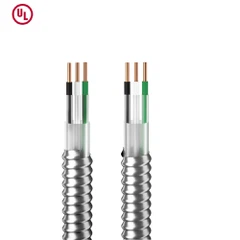
Inspect the Cable Structure: If the cable has three separate conductors inside, it is a three-wire TPS cable. The colors of the conductors will usually be standardized: live (typically brown or black), neutral (typically blue), and earth (typically green/yellow).
Check the Voltage Rating: Three-wire TPS cables are typically used for circuits rated for higher voltage and require grounding, while two-wire cables are usually for simpler applications.