

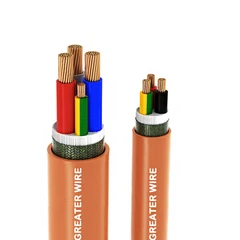
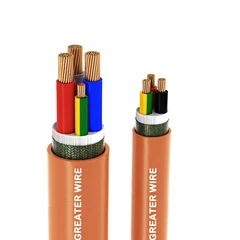

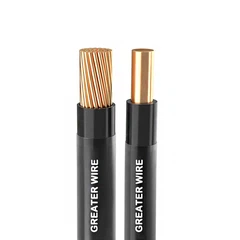
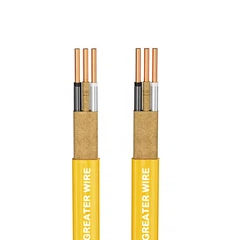
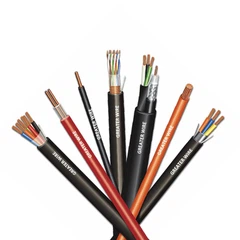
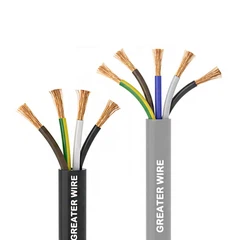
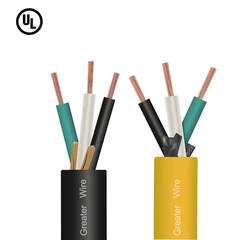
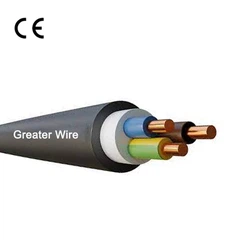
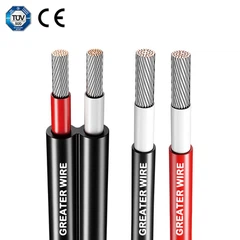

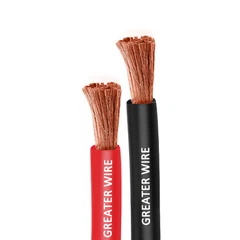
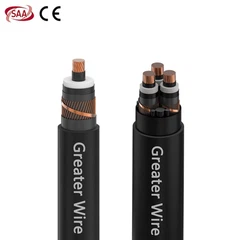
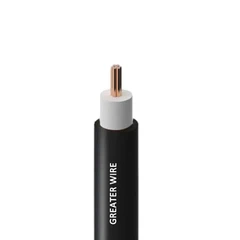
SAA (Standards Australia Approval) power cables are critical components in electrical infrastructure, widely used across Australia and New Zealand. These cables are designed to meet specific safety standards and are integral in transmitting electrical power in both residential and commercial applications. One of the most common types is the AS/NZS 5000.1 25mm XLPE power cable.

1. Introduction to SAA Power Cables
The SAA power cable is designed to meet the rigorous electrical and safety standards set by Australian and New Zealand authorities. These cables are typically used for fixed installations, connecting electrical systems to the grid or various electrical appliances. SAA-approved cables, such as the AS/NZS 5000.1 25mm XLPE power cable, are built to deliver consistent and reliable electrical power while withstanding environmental stresses, such as temperature fluctuations and mechanical wear.
The AS/NZS 5000.1 standard specifies requirements for the construction, testing, and performance of cables used in power distribution systems. It covers everything from insulation materials to the design of the conductors, ensuring that power cables meet the safety and efficiency demands of modern electrical systems.

2. Key Materials in the Construction of SAA Power Cables
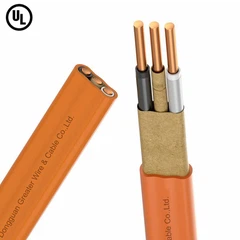
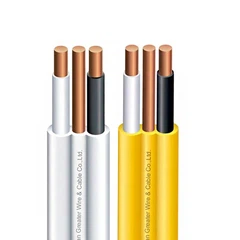
The construction of an SAA power cable typically involves several key materials that work together to ensure the cable functions correctly under various conditions. These materials include the conductor, insulation, jacket, and armoring, each of which serves a specific purpose in the cable's performance.
a. Conductor
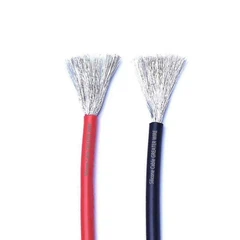
The conductor is the central part of any power cable, responsible for carrying the electrical current. The most common materials used for conductors in SAA power cables are copper and aluminum. Both metals offer high conductivity and are ideal for power transmission.
Copper: Copper is known for its excellent electrical conductivity, making it a preferred material for high-performance power cables. Copper conductors are durable and offer lower resistance, which helps to minimize power losses during transmission. Copper is also resistant to corrosion, which increases the longevity of cables used in outdoor and marine environments.
Aluminum: Aluminum is a lighter and more cost-effective alternative to copper. Although it has a slightly lower conductivity than copper, its lower cost and lighter weight make it a suitable choice for applications where weight is a critical factor. In some cases, aluminum conductors are coated with a thin layer of copper to enhance conductivity and corrosion resistance.
b. Insulation
The insulation surrounding the conductor ensures that the electrical current stays contained within the cable, preventing it from short-circuiting or causing electrical hazards. In the case of the AS/NZS 5000.1 25mm XLPE power cable, the insulation material used is XLPE (cross-linked polyethylene).
XLPE (Cross-Linked Polyethylene): XLPE is a highly durable thermoset material known for its superior electrical insulation properties. Unlike conventional polyethylene (PE), XLPE undergoes a cross-linking process that enhances its thermal, mechanical, and chemical resistance. This process makes XLPE ideal for use in power cables, as it can withstand higher temperatures (up to 90°C in continuous operation) and is resistant to chemicals, moisture, and UV radiation. XLPE also offers excellent electrical properties, including low dielectric loss, which helps to minimize energy loss during transmission.
c. Jacket
The jacket serves as the outer protective layer of the power cable, shielding the internal components from environmental factors like moisture, physical damage, and chemicals. The material used for the jacket is typically PVC (Polyvinyl Chloride), LSZH (Low Smoke Zero Halogen), or PE (Polyethylene), depending on the application.
PVC: Polyvinyl chloride is a commonly used jacket material for power cables. It is durable, flexible, and resistant to a wide range of environmental factors. PVC jackets are commonly used in indoor installations where exposure to harsh elements is minimal.
LSZH (Low Smoke Zero Halogen): LSZH cables are designed to emit minimal smoke and no halogen gases when exposed to fire. This type of jacket is particularly useful in indoor applications where safety in the event of a fire is a priority, such as in buildings and public infrastructure.
PE (Polyethylene): Polyethylene jackets are lightweight and resistant to moisture, UV rays, and chemicals. They are used in applications where the cable is exposed to harsh environmental conditions, such as underground or outdoor installations.
d. Armoring
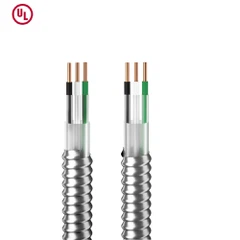
In some cases, power cables are fitted with an armoring layer to provide mechanical protection. Armoring is usually made from steel wires or steel tapes, which protect the cable from physical damage, including crushing, abrasion, and impacts. This is especially important for cables installed in areas with a risk of mechanical stress, such as underground or industrial settings.
Steel Wire Armoring: Steel wires are helically wound around the cable to provide extra strength and protection. This armoring layer is often used in heavy-duty cables that need to withstand severe mechanical stress.
Steel Tape Armoring: Steel tape armoring involves wrapping the cable with a flat steel tape, providing a lightweight and flexible alternative to wire armoring. This type of protection is commonly used in environments where the cable is exposed to moderate mechanical stress.
e. Filling and Bedding Materials
For cables with multiple cores, filling and bedding materials are used to keep the cores separated and provide additional protection. These materials help maintain the shape and integrity of the cable and prevent the cores from short-circuiting.
Fillers: Fillers are typically made of non-conductive materials such as cotton or synthetic fibers. These materials are used to fill the spaces between the cores and ensure that the cable maintains its round shape.
Bedding: Bedding materials are used to provide additional mechanical protection between the insulation and the jacket. This layer is often made from a layer of PVC or other insulating compounds that offer protection against physical damage and environmental exposure.

3. Compliance with AS/NZS 5000.1 Standard
The AS/NZS 5000.1 standard is crucial in ensuring that SAA power cables, like the 25mm XLPE power cable, meet the necessary requirements for safety and performance. The materials used in the construction of these cables are chosen based on their ability to comply with the following key criteria outlined in the standard:
Electrical Performance: The materials must provide high conductivity while minimizing energy loss and maintaining safe operation over time.
Thermal Performance: The insulation and jacket materials must withstand the operating temperatures of the cable without degrading, ensuring that the cable performs consistently over its lifetime.
Mechanical Strength: The cable must be resistant to mechanical stresses, such as tension, bending, and impact, which could damage the conductor or insulation.
Safety and Durability: The materials used must be non-toxic, flame retardant, and resistant to environmental hazards like UV radiation, moisture, and chemical exposure.
By adhering to these requirements, the AS/NZS 5000.1 25mm XLPE power cable offers a high level of safety and reliability for electrical installations.

Dongguan Greater Wire & Cable Co., Ltd. specializes in Australian SAA certified wires, using advanced XLPE cross-linked polyethylene insulation technology to provide excellent chemical resistance, abrasion resistance and temperature resistance, and is the preferred wire for various industrial and commercial projects.