



In electrical systems, some failures occur quietly but can result in serious consequences once triggered.
Imagine this: in an industrial facility, an AC90 cable used for power distribution begins to heat up abnormally during peak operation. If left unnoticed, this can lead to insulation degradation, safety hazards, or even production downtime.
Have you ever experienced these issues?
The cable surface feels hot to the touch
Junction boxes become unusually warm
Cable temperature spikes after long operation
If you are an engineer, maintenance professional, or procurement manager, understanding why an AC90 cable overheats and how to prevent it can help you eliminate risks and ensure long-term system stability and safety.
In this article, we'll explore:
What AC90 cable is and where it's used
The main causes of overheating
Practical ways to prevent it
Why choosing a high-quality AC90 cable is critical
Finally, we'll show how Dongguan Greater Wire & Cable Co., Ltd. provides reliable AC90 cable solutions and technical support for projects of any size.
What Is an AC90 Cable?
Before exploring the causes of overheating, let's first understand what AC90 cable is and where it's commonly applied.
Basic Definition and Structure
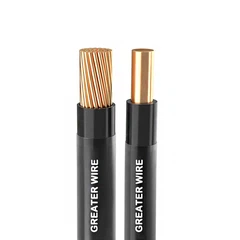
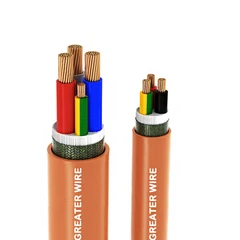
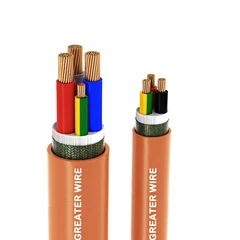
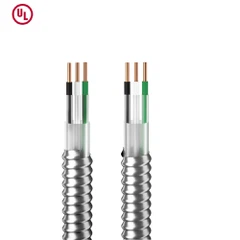
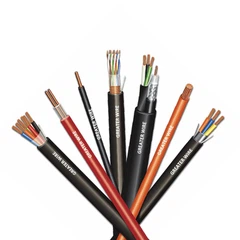
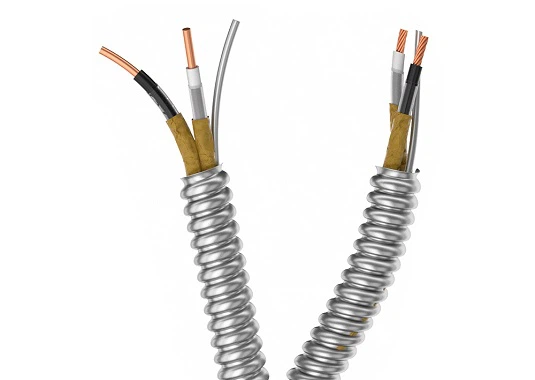
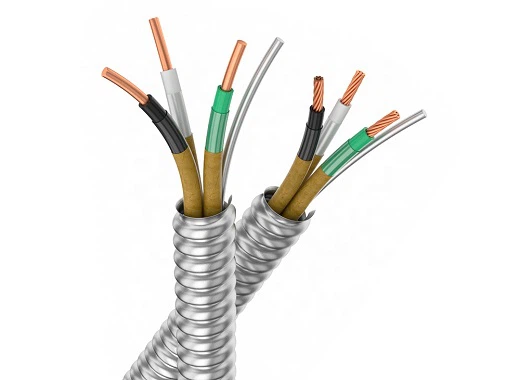
AC90 (Armoured Cable, 90°C) is a type of electrical cable featuring an interlocked aluminum or steel armour that provides mechanical protection.
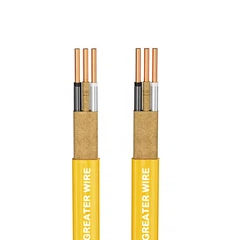
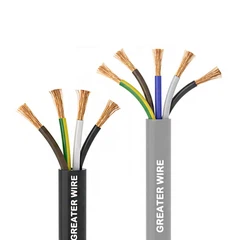
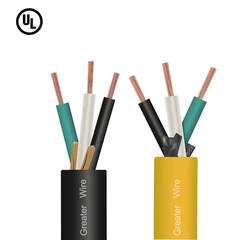
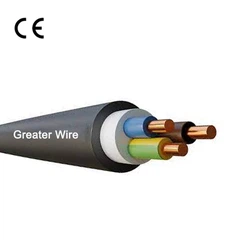
Inside, it typically contains 2, 3, or 4 conductors, made of copper or aluminum, insulated with cross-linked polyethylene (XLPE or RW90), and rated for 600V.
The "90" in AC90 indicates the cable's maximum continuous operating temperature of 90°C in dry locations.
Its interlocked armour can also serve as a grounding or shielding path, depending on design.
In Canada and other regions, AC90 cables are manufactured to meet CSA C22.2 No. 51 and related standards.
Applications and Advantages
AC90 cables are widely used due to their durability, flexibility, and cost-effectiveness. Common applications include:
- Commercial buildings and offices
- Industrial facilities and manufacturing plants
- Cable trays and exposed installations
- Lighting circuits and power panels
Compared with traditional conduit-and-wire systems, AC90 cables save on conduit cost and installation time while maintaining excellent mechanical protection.
However, because AC90 is often exposed and tightly armored, improper installation or overloading can easily lead to heat buildup-which is why understanding its overheating causes is critical.
Main Causes of AC90 Cable Overheating
Now let's analyze the most common factors that cause an AC90 cable to overheat.
Overload or Excessive Current
When a cable carries more current than its rated ampacity, the conductor's resistance generates excessive heat.
Temporary current surges, startup peaks, or cumulative heating from parallel cables can further increase temperature.
In short: Always size your cable correctly during design and leave sufficient current margin for future expansion.
Improper Installation
Improper installation is one of the most overlooked causes of overheating.
- Bundled cables too tightly: Reduces air circulation and increases mutual heating.
- Poor ventilation: Installing cables in enclosed spaces, near ceilings, or close to hot equipment traps heat.
- Bend radius too small: Excessive bending stresses the insulation and creates local resistance points.
- Long runs without thermal consideration: Longer distances accumulate resistive losses and heat.
Proper layout, spacing, and ventilation are key to effective heat dissipation.
Loose or Poor Electrical Connections
Loose terminals, oxidized contacts, or under-torqued bolts increase contact resistance.
This localized resistance causes hot spots, which may not be easily visible but can gradually deteriorate insulation and even lead to arcing or fire.
Routine inspection and torque verification can prevent such failures.
High Ambient Temperature or Heat Source Proximity
If the surrounding environment is too hot - such as mechanical rooms, attics, or near heat-generating equipment - cables struggle to dissipate heat.
Sun exposure, nearby steam pipes, or insufficient HVAC systems all contribute to elevated ambient temperature, which in turn accelerates cable heating.
Poor Material Quality or Design Defects
Inferior-quality cables are a frequent cause of overheating. Examples include:
- Low-purity conductors with impurities increasing resistance
- Insulation compounds with poor thermal stability
- Uneven armor thickness or poor bonding between layers
- Manufacturing defects such as air gaps, uneven extrusion, or loose conductors
When the product itself is flawed, even perfect installation cannot prevent overheating in the long term.
How to Prevent AC90 Cable Overheating
After understanding the causes, here are practical and actionable ways to prevent overheating.
Choose the Right Cable Size and Ampacity
- Select the cable cross-section based on operating current, startup peaks, and environment.
- Leave extra margin for load growth or future upgrades.
- Consider derating factors for ambient temperature and grouping.
- For long runs, verify voltage drop and thermal buildup through calculation.
Follow Proper Installation Guidelines
- Maintain adequate spacing between cables for air circulation.
- Avoid installation near heat sources or within confined enclosures.
- Follow the minimum bending radius to prevent mechanical strain.
- For long runs, install junctions or heat dissipation sections to reduce cumulative heating.
Regular Maintenance and Tight Connections
- Use proper torque tools to secure all terminals and lugs.
- Periodically inspect with infrared thermography to identify hidden hot spots.
- Consider installing temperature sensors or real-time monitoring systems in critical circuits.
Control Ambient Temperature
- Maintain good air ventilation or cooling systems indoors.
- Use thermal insulation or shielding for cables near heat sources.
- Avoid obstructing airflow around cable trays and ducts.
- In high-temperature environments, add forced air or cooling assistance if needed.
Use High-Quality Cables and Conduct Quality Testing
- Select cables that comply with CSA / UL / IEC standards.
- Request temperature-rise and insulation tests before acceptance.
- Use infrared scanning or load testing during commissioning.
- Incorporate preventive maintenance schedules and temperature monitoring for critical loads.
The Importance of Choosing a High-Quality AC90 Cable
In electrical systems, cables may seem like passive components - but they determine the safety, stability, and efficiency of the entire circuit.
Superior Heat Dissipation
High-quality AC90 cables are engineered for lower temperature rise under the same load.
Optimized conductor packing, improved insulation materials, and precisely formed armor layers all help conduct and dissipate heat efficiently.
Better Conductivity and Long-Term Stability
High-purity aluminum or copper conductors, precision stranding, and optimized geometry reduce resistance and prevent localized heating.
This ensures stable performance even under continuous operation.
Enhanced Reliability and Safety
Premium cables maintain mechanical integrity and insulation strength even in harsh environments (vibration, humidity, or heat).
They are less prone to aging, cracking, or short circuits - minimizing downtime and maintenance costs.
Lower Total Cost of Ownership
While quality cables may cost slightly more upfront, they save significantly over time by reducing energy loss, failures, and maintenance.
For mission-critical facilities like factories, hospitals, and data centers, this reliability is invaluable.
Why Choose Dongguan Greater Wire & Cable Co., Ltd.
Now that you understand the theory and prevention methods, here's how Dongguan Greater Wire & Cable Co., Ltd. can help you achieve safe, reliable, and efficient electrical installations.
Strong Technical Expertise
- Years of experience in wire and cable manufacturing
- Professional R&D and engineering team to assist in load analysis, layout design, and thermal calculations
- In-house laboratory for temperature rise, insulation, and resistance testing
Premium Materials and Strict Quality Control
- High-purity aluminum or copper conductors for excellent conductivity
- High-grade XLPE (RW90) insulation with superior thermal stability
- Precision-manufactured interlocked armor ensuring tight fit and efficient heat transfer
- Each batch undergoes full inspection before delivery
Full Range of AC90 Cable Products
- 2-core, 3-core, and 4-core configurations in multiple sizes
- Custom solutions available for shielded, flame-retardant, or low-smoke halogen-free requirements
- All products certified to international standards
Comprehensive Pre-Sales and After-Sales Service
- Technical consulting, product selection, and system design support
- On-site or remote guidance during installation
- Reliable warranty and responsive after-sales assistance
- Flexible order options - from small trial batches to full container shipments
Typical Applications and Success Stories
- In a factory main power project, our AC90 cables operated continuously under high current for 3 years with stable temperature performance and zero failures.
- In a data center wiring upgrade, our high-stability AC90 solution helped maintain consistent temperature control and system reliability.
(You may insert your company's public projects or certifications here to increase credibility.)
Contact Us
If you're planning a project involving AC90 cables - whether for new installations, upgrades, or maintenance - we are ready to support you with professional advice and reliable products.
- Dongguan Greater Wire & Cable Co., Ltd.
- Tel / WhatsApp / WeChat: +86 135 1078 4550 / +86 136 6257 9592
- Email: manager01@greaterwire.com