

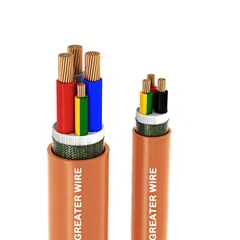
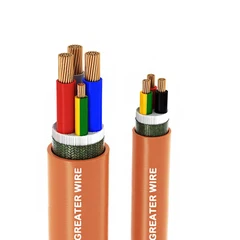

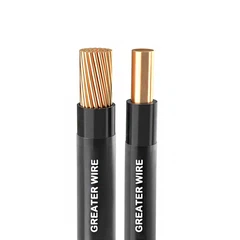
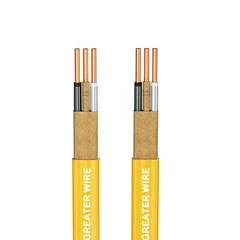
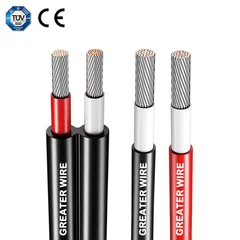

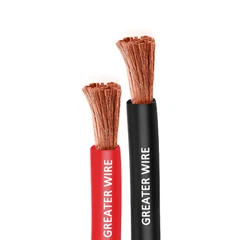
In the world of photovoltaic (solar) systems, the type of cables used is of paramount importance for ensuring safety, reliability, and efficiency. Among the many types of cables available, the H1Z2Z2-K cable is increasingly popular for solar wire applications, especially in outdoor, high-performance environments. Understanding the properties, uses, and advantages of this cable type is essential for solar power system designers, installers, and users alike.
In this article, we will provide a detailed overview of the H1Z2Z2-K cable, its features, applications, and its role in solar energy systems. We will also discuss its significance compared to other solar cables, and how it contributes to the overall efficiency and durability of a solar power installation.

1. Introduction to H1Z2Z2-K Cable
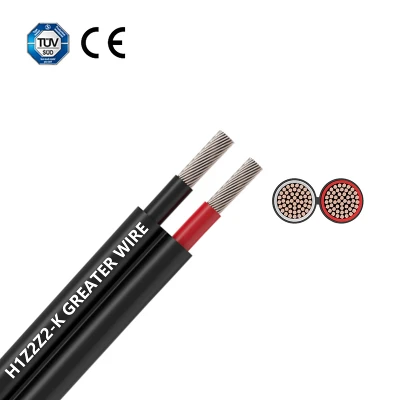
The H1Z2Z2-K cable is a specialized type of cable used in various electrical applications, including solar energy systems. It is designed to meet the demanding requirements of photovoltaic installations, ensuring both safety and durability. The name "H1Z2Z2-K" refers to its specific technical standards and construction, which offer a range of benefits for solar applications.
H1Z2Z2-K is classified as a halogen-free, thermoplastic, and flexible solar cable that can handle high voltage, UV exposure, and mechanical stress, making it ideal for use in both residential and commercial photovoltaic systems.
2. Key Features of H1Z2Z2-K Cable
2.1 Halogen-Free Construction
One of the most important features of H1Z2Z2-K cables is their halogen-free construction. This means that the cable does not contain halogenated compounds, which are harmful when burned, producing toxic gases. The halogen-free nature of H1Z2Z2-K cables contributes to improved safety during a fire by minimizing toxic smoke production. This is crucial for installations in residential or commercial buildings where safety regulations are stringent.
2.2 UV Resistance
The H1Z2Z2-K cable is designed to withstand prolonged exposure to UV radiation. In solar power systems, cables are often installed outdoors where they are exposed to direct sunlight. UV radiation can degrade the insulation of cables over time, leading to failure. However, the H1Z2Z2-K cable's UV-resistant properties ensure that it maintains its performance even in harsh sunlight, making it an ideal choice for solar wire applications in areas with high solar radiation.
2.3 High Voltage Capability
The H1Z2Z2-K cable is engineered to handle high voltages, typically rated up to 1.8 kV DC, which is standard for many solar energy systems. This high voltage capacity is essential for photovoltaic systems, where electricity generated by solar panels is transmitted over long distances. The solar cable must be able to handle these voltages safely without compromising performance, and the H1Z2Z2-K cable is built to meet this demand.
2.4 Flexible and Durable Construction
The H1Z2Z2-K cable is designed to be flexible, allowing for easy installation and routing in various configurations. This flexibility makes it suitable for solar installations where cables need to be bent or routed around obstacles. Additionally, the cable is durable and resistant to mechanical stress, reducing the risk of damage during installation or long-term use.
2.5 Resistance to Environmental Factors
The H1Z2Z2-K cable is engineered to resist various environmental factors, including moisture, temperature fluctuations, and chemical exposure. It is also resistant to abrasion, which means it can be installed in areas where the cable may be subject to wear and tear. These properties are crucial for ensuring the longevity and reliability of solar cables in outdoor environments, such as rooftops or open fields.

3. Applications of H1Z2Z2-K Cable in Solar Energy Systems
The H1Z2Z2-K cable is commonly used in solar installations due to its versatile properties and ability to handle the demanding conditions of outdoor environments. Below are some key applications where this cable excels:
3.1 Connection Between Solar Panels and Inverters
In most solar power systems, solar cables are used to connect the solar panels to the inverter. The H1Z2Z2-K cable is an excellent choice for this application due to its high voltage tolerance and UV resistance. It ensures the safe and efficient transmission of electricity from the solar panels to the inverter, where the DC electricity is converted to AC electricity for use in homes or businesses.
3.2 Interconnection of Solar Panel Arrays
When multiple solar panels are installed in a series or parallel array to increase the overall energy output, solar wires like the H1Z2Z2-K cable are used to interconnect the panels. The flexibility and high-voltage capabilities of the H1Z2Z2-K cable allow for easy installation and secure connections between the individual panels, ensuring a reliable flow of electricity throughout the array.
3.3 Outdoor Solar Installations
Due to its UV resistance and weatherproof properties, the H1Z2Z2-K cable is commonly used in outdoor solar installations, such as rooftop PV systems or ground-mounted solar arrays. The ability to withstand harsh environmental conditions ensures that the cable will last for many years, providing uninterrupted power generation without the need for frequent maintenance or replacement.
3.4 Off-Grid Solar Systems
In off-grid solar systems, where solar power is stored in batteries for later use, solar cables are essential for connecting the solar panels to the battery bank and the inverter. The H1Z2Z2-K cable is ideal for these applications due to its high voltage rating, which is necessary for the transmission of electricity from the panels to the batteries, and its durable construction, which ensures a long lifespan in remote or harsh environments.

4. Comparison with Other Solar Cables
When choosing solar wires for a photovoltaic system, it is essential to consider various cable types based on factors like environmental conditions, installation requirements, and voltage specifications. The H1Z2Z2-K cable compares favorably with other types of solar cables in several ways:
4.1 Comparison with H07Z-K Cable
The H07Z-K cable is another type of cable used in solar systems. While both cables are halogen-free and flexible, the H1Z2Z2-K cable is better suited for high-voltage applications due to its higher voltage rating (up to 1.8 kV DC). Additionally, the H1Z2Z2-K cable offers superior UV resistance and weatherproofing, making it a better choice for outdoor solar installations that experience prolonged exposure to sunlight and harsh environmental conditions.
4.2 Comparison with H1Z2Z2-R Cable
The H1Z2Z2-R cable is another variant of solar cable that is similar to the H1Z2Z2-K cable. While both cables are halogen-free, flexible, and UV-resistant, the H1Z2Z2-R cable is typically more rigid than the H1Z2Z2-K cable. This rigidity can make installation more challenging, especially in applications that require flexibility and easy bending. The H1Z2Z2-K cable, with its higher flexibility, is often preferred for installations that involve complex routing or tight spaces.

5. Benefits of Using H1Z2Z2-K Cable in Solar Systems
There are several benefits to using the H1Z2Z2-K cable in solar wire applications:
Enhanced Safety: The halogen-free construction of the cable minimizes the production of toxic gases in the event of a fire, improving safety in residential and commercial installations.
Durability and Longevity: The cable's UV resistance, flexibility, and weatherproof properties ensure that it will withstand harsh environmental conditions, providing long-term reliability and performance.
High-Voltage Handling: The H1Z2Z2-K cable can handle high voltages, making it suitable for a wide range of photovoltaic systems, from small residential setups to large commercial installations.
Flexibility and Ease of Installation: The flexibility of the cable allows for easier installation in tight spaces or when complex routing is required, reducing the time and labor involved in setting up a solar energy system.