



Understanding SAA Power Cables
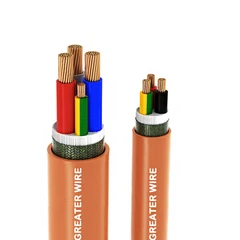
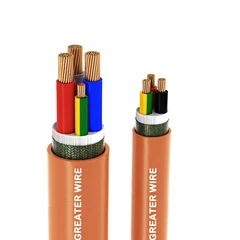
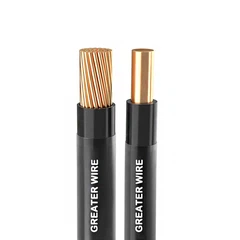
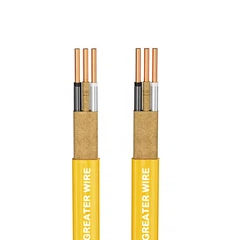
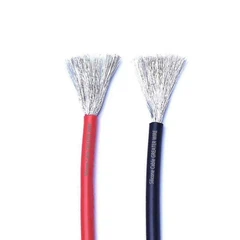
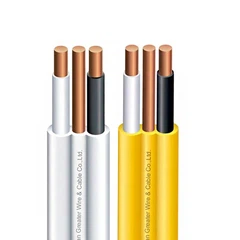
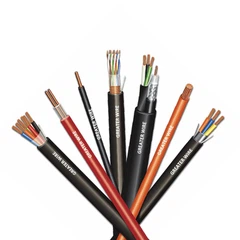
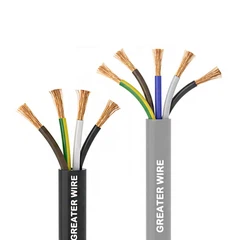
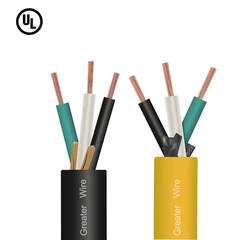
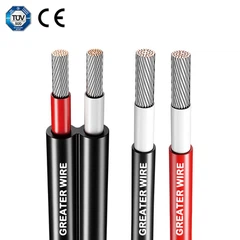
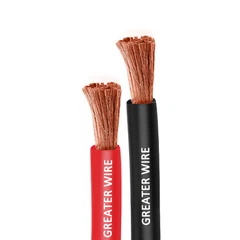
Before delving into the types of connectors, it's essential to understand the key features of SAA power cables, including the SAA 16mm XLPE power cable and SAA orange circular cables. These cables are designed to provide reliable electrical transmission while maintaining safety standards, which is why they are used in a wide range of residential, commercial, and industrial applications.
Key Features of SAA Power Cables
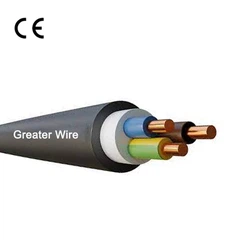
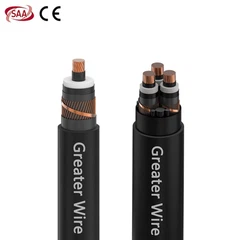
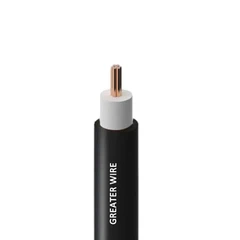
XLPE Insulation: The SAA 16mm XLPE power cable features cross-linked polyethylene (XLPE) insulation, which provides excellent electrical properties, thermal resistance, and mechanical strength.
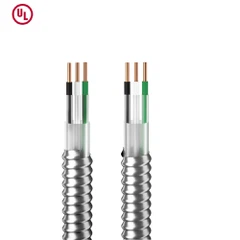
Armouring: SAA power cables often come with armouring (such as steel wire armour or copper wire armouring) for added protection, especially in areas where the cable is exposed to physical damage.
PVC Sheath: The outer sheath of the cable, typically made from PVC (polyvinyl chloride), provides protection against environmental factors like moisture, abrasion, and UV radiation.
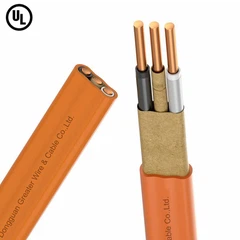
Orange Circular Design: The SAA orange circular cable is commonly used for its high visibility and resistance to environmental stresses, making it ideal for industrial and outdoor applications.

The Importance of Connectors in Electrical Systems
Connectors serve as the link between different components in an electrical circuit, such as cables, switches, outlets, and power distribution units. For SAA power cables, connectors are especially important because they ensure:
Reliable Electrical Conductivity: A good connector allows the electrical current to flow with minimal resistance and loss.
Safety: Proper connectors prevent short circuits, electrical shocks, and fire hazards.
Durability: The connector should withstand environmental factors, such as moisture, UV radiation, and mechanical stress, to ensure long-term performance.
Ease of Maintenance: Good connectors allow for easy disconnection and reconnection, facilitating repairs and upgrades.

Types of Connectors Commonly Used with SAA Power Cables
There are various types of connectors used with SAA power cables, depending on the application, voltage requirements, and environmental factors. Here are some of the most commonly used connectors:
1. Screw Terminal Connectors
Screw terminal connectors are one of the most widely used connectors in electrical installations. These connectors are often used in residential and commercial applications for joining SAA 16mm XLPE power cables and other cable types. The main advantage of screw terminal connectors is their simplicity and ease of use.
How It Works: A screw terminal connector consists of a metal terminal, often made of brass or copper, with a threaded screw. The stripped end of the wire is inserted into the terminal, and the screw is tightened to create a secure connection.
Applications: Screw terminals are commonly used in distribution boards, junction boxes, and electrical panels, especially for connections where high current carrying capacity is needed.
Advantages:
Easy to install.
Reliable and strong connection.
Cost-effective for low to medium voltage applications.
2. Ring Terminals
Ring terminals are used to connect SAA orange circular cables to various components in an electrical system, such as circuit breakers, electrical outlets, or battery terminals. They are ideal for applications where a stable, secure connection is required.
How It Works: A ring terminal consists of a circular metal ring at one end, which is designed to be bolted onto a post or screw. The other end is crimped onto the wire or cable, creating a solid, permanent connection.
Applications: Ring terminals are commonly used in battery connections, solar power systems, and industrial applications, where a secure connection is crucial.
Advantages:
Provides a secure, stable connection that is resistant to vibration.
Easy to install and remove.
Ideal for high-current applications.
3. Spade Connectors
Spade connectors are similar to ring terminals, but instead of a ring, they feature a fork-like design that can easily slide over a bolt or screw. Spade connectors are ideal for applications where connections need to be easily disconnected and reconnected.
How It Works: A spade connector has a flat, forked end that slides onto a terminal post or screw. The other end is crimped onto the stripped wire.
Applications: Spade connectors are used in many types of electrical equipment, including appliances, circuit boards, and distribution panels. They are particularly useful in situations where maintenance and system upgrades require easy disconnection.
Advantages:
Easy to connect and disconnect.
Provide a solid connection for high-current systems.
Useful in tight spaces where traditional connectors might not fit.
4. Butt Connectors
Butt connectors are commonly used for joining two or more cables together. They are especially useful when a seamless connection is needed without the need for a terminal block or junction box.
How It Works: A butt connector is a short piece of metal tubing that is crimped onto the stripped ends of the cables that need to be joined. The crimping process ensures a secure, tight connection.
Applications: Butt connectors are typically used in low- to medium-voltage installations, such as lighting circuits, HVAC systems, or automotive electrical systems.
Advantages:
Provides a smooth, continuous connection without the need for multiple connections.
Ideal for applications requiring minimal space.
Suitable for connecting different wire sizes.
5. Busbar Connectors
Busbar connectors are used to connect multiple SAA power cables to a busbar, which is a conductive metal bar used in electrical panels and distribution boards. These connectors are designed to handle high-current applications and ensure that the power is distributed evenly to different circuits.
How It Works: Busbar connectors are typically bolted or screwed onto the busbar. The stripped ends of the SAA 16mm XLPE power cable are connected to the busbar using the connector, allowing electricity to flow from one point to multiple circuits.
Applications: Busbar connectors are commonly used in large-scale industrial applications, power distribution panels, and solar power systems.
Advantages:
Allows for easy connection of multiple circuits.
Ideal for high-voltage and high-current systems.
Provides a reliable, robust connection in large-scale applications.
6. Quick Connectors
Quick connectors, also known as push-in connectors or plug connectors, are designed to allow for fast, tool-free connections. These connectors are gaining popularity in residential and commercial electrical systems due to their ease of installation and maintenance.
How It Works: Quick connectors use spring-loaded contacts that grip the stripped wire when it is inserted into the connector. The connection is made quickly, without the need for tools like screwdrivers or crimpers.
Applications: Quick connectors are ideal for applications where installation time is limited, such as in wiring junctions or solar panel installations.
Advantages:
Quick and easy installation.
No need for tools.
Secure and reliable connection for medium-voltage applications.

Choosing the Right Connector for SAA Power Cables
When choosing connectors for SAA power cables, such as the SAA 16mm XLPE power cables and SAA orange circular cables, several factors must be considered:
Current Rating: Make sure the connector can handle the current load that the SAA power cable will carry. Overloading a connector can lead to overheating and potential failure.
Voltage Rating: The voltage rating of the connector must match or exceed the voltage of the circuit.
Environmental Conditions: For outdoor or industrial installations, choose connectors that are resistant to moisture, corrosion, and UV radiation. SAA orange circular cables are typically designed with UV resistance, so it's essential to use connectors that offer similar durability.
Ease of Maintenance: Consider how easy it will be to disconnect and maintain the connection. Connectors like spade connectors or quick connectors are ideal for systems that require frequent maintenance or upgrades.

Dongguan Greater Wire & Cable Co., Ltd. specializes in Australian SAA certified wires, using advanced XLPE cross-linked polyethylene insulation technology to provide excellent chemical resistance, abrasion resistance and temperature resistance, and is the preferred wire for various industrial and commercial projects.