

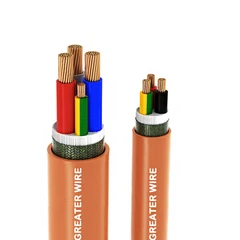
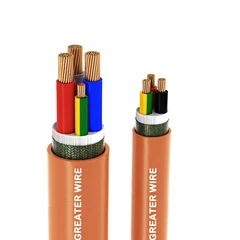

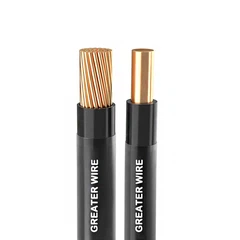
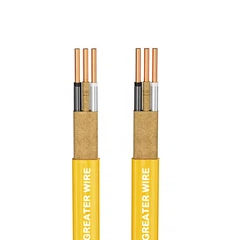
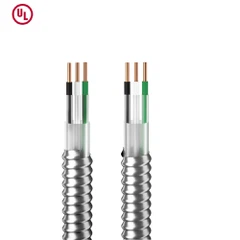
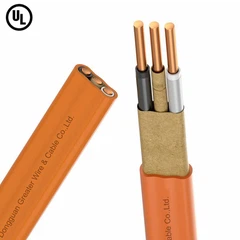
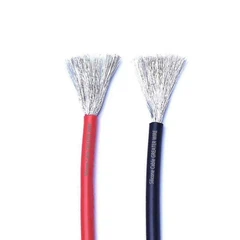
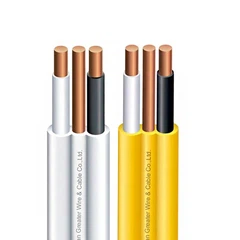
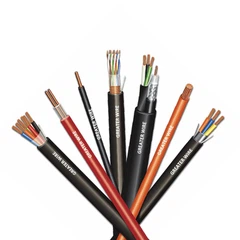
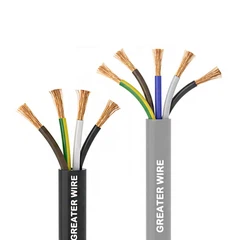
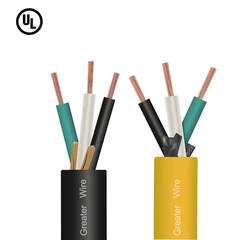
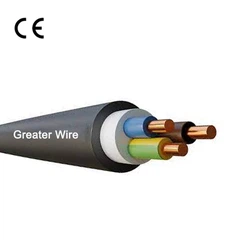
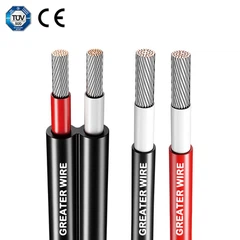

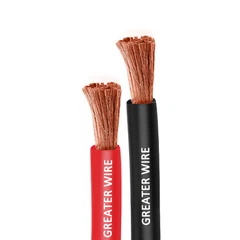
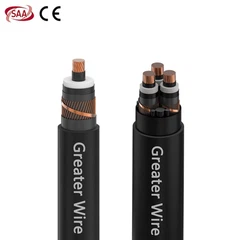
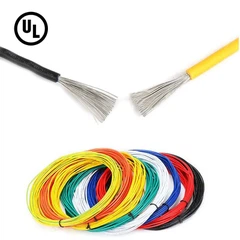
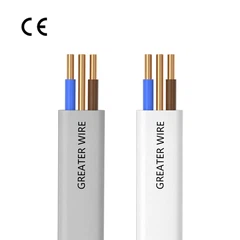
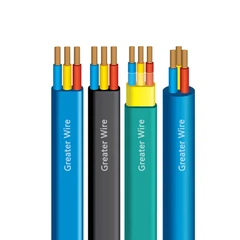
With the rapid development of renewable energy, solar energy has become one of the most popular forms of clean energy in the world. Photovoltaic (PV) systems, as one of the core technologies of solar power generation, have solar cables and solar wires as one of their key components. In the manufacturing process of these cables and wires, the metal materials used have a direct impact on the efficiency, safety and long-term durability of the system.
In this article, we will explore the types of metal wires used in photovoltaic systems, especially the metal materials used in solar cables and solar wires. By understanding the characteristics of these metal wires, we can better choose the right cables and wires to ensure the stable and efficient operation of the photovoltaic system.

1. Basic composition of solar cables and solar wires
In photovoltaic systems, solar cables and wires are mainly used to connect key components such as solar panels, inverters, charge controllers, batteries, etc. to ensure the effective transmission of electricity. The structure of solar cables and wires usually includes conductors, insulation layers, sheaths and other parts, among which the metal materials used in the conductor part are crucial to the electrical performance.
Conductor: The conductor is the core part of wires and cables for current conduction, usually made of metal materials. Different metal materials have different conductivity, corrosion resistance and mechanical strength.
Insulation layer: The insulation layer is usually made of materials such as polyvinyl chloride (PVC) and cross-linked polyethylene (XLPE) to prevent current leakage and ensure safety.
Sheath: The sheath is mainly used to protect the cable from external environmental factors (such as ultraviolet rays, moisture, physical damage, etc.).
In order to ensure that solar cables can work stably and for a long time outdoors and in harsh environments, the conductor material must have excellent conductivity, corrosion resistance, UV resistance and high temperature resistance.

2. Commonly used metal materials in solar cables and wires
2.1 Copper
Copper is currently the most widely used metal material in solar cables and wires. Copper has good conductivity, corrosion resistance and processability, making it the preferred material for solar cable conductors. Specifically, the advantages of copper include:
High conductivity: Copper has very high electrical conductivity and is the best conductive metal after silver. This means that under the same cross-sectional area, copper cables can carry more current and reduce energy loss.
Corrosion resistance: Copper has good corrosion resistance to most chemicals, especially when used in outdoor environments, it can effectively prevent rust and oxidation.
Good processability: Copper has good ductility and plasticity, and is easy to manufacture into wires of various specifications, which is convenient for customized installation of photovoltaic systems.
In solar photovoltaic systems, copper conductors are usually used in applications that require high power transmission efficiency. Copper's high conductivity and good corrosion resistance make it the first choice for cable conductors in most photovoltaic systems.
Disadvantages: The price of copper is relatively high, especially when market demand is high, the price of copper fluctuates greatly, which is also a factor to consider when choosing copper cables.
2.2 Aluminum
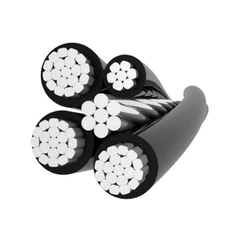
Aluminum is another metal commonly used for photovoltaic cable conductors, especially in some economical photovoltaic systems, aluminum cables are gradually becoming a substitute for copper cables. The advantages of aluminum include:
Low cost: The price of aluminum is much lower than that of copper, so aluminum cables have become an ideal choice in some photovoltaic projects with limited budgets.
Light weight: The density of aluminum is much lower than that of copper, so aluminum cables are much lighter than copper cables, reducing transportation and installation costs.
Good conductivity: Although aluminum is not as conductive as copper, its conductivity is still higher than most other metals, and the difference in conductivity can be compensated by increasing the cross-sectional area of the aluminum conductor.
However, aluminum conductors also have certain disadvantages, mainly reflected in:
Poor corrosion resistance: Aluminum has poor corrosion resistance and is prone to form oxide films in humid or oxidizing environments, which may affect its conductive properties. Therefore, aluminum cables usually require additional protective measures, such as the use of special coatings or sheaths.
Higher contact resistance: The contact resistance of aluminum cables is greater than that of copper cables, so special joint designs and connection methods are required to ensure good electrical contact.
Despite this, aluminum cables are still widely used in some low-budget, long-distance transmission photovoltaic systems due to their low cost and light weight.
2.3 Tin-Plated Copper
Tin-plated copper is a thin layer of tin applied to the surface of a copper conductor. Tin-plated copper combines the high conductivity of copper with the excellent corrosion resistance of tin, and is suitable for some photovoltaic cables and wires with special requirements. Specific features include:
Corrosion resistance: The tin layer can effectively prevent oxidation and corrosion of copper conductors, especially for photovoltaic systems in harsh environments such as moisture and salt spray.
Excellent contact: Tin-plated copper can provide better electrical contact, especially in long-term use, reducing the impact of contact resistance.
High conductivity: Tinned copper retains the high conductivity of copper and is still an excellent material for efficient transmission of current.
Tinned copper cables are often used in some application scenarios with high environmental conditions, such as coastal areas and humid areas, which can improve the durability and reliability of cables.
2.4 Stainless Steel
Stainless steel is generally not used as the main conductor material of photovoltaic system cables, but it is sometimes used as a reinforcement part or mechanical protection layer of cables. Due to its high strength and corrosion resistance, stainless steel is often used to protect cables from physical damage or chemical corrosion. The specific applications are as follows:
Reinforcement layer: Stainless steel is often used as the reinforcement layer of solar cables, especially in some high mechanical load environments that require additional protection. The strength of stainless steel can prevent the cable from deforming during installation or use.
Sheath material: In some special applications, especially in environments that require high mechanical strength and corrosion resistance, stainless steel can be used as a cable sheath material to provide additional protection.
Although stainless steel has strong corrosion resistance and tensile resistance, it has poor conductivity and is therefore usually not used as the main conductor material of cables.

3. Considerations for choosing the right metal material
When choosing the metal conductor material for solar cables, the following factors need to be considered comprehensively:
3.1 Conductivity
Conductivity is the primary consideration for selecting cable materials. Copper and tinned copper have the best conductivity, so copper cables are often the preferred material in photovoltaic systems with high power transmission requirements. However, aluminum cables require a larger cross-sectional area to achieve the same conductivity as copper cables at the same current.
3.2 Corrosion resistance
Solar cables are often exposed to the outdoors and may be affected by environmental factors such as moisture, salt spray and ultraviolet rays, so corrosion resistance is crucial. Tinned copper and copper have strong corrosion resistance, especially suitable for humid or seaside environments. Aluminum cables may require additional protection to prevent oxidation and corrosion.
3.3 Cost and budget
Aluminum cables have a lower cost and may be a more attractive option for photovoltaic projects with limited budgets. However, the high conductivity of copper cables can reduce energy losses and improve the overall efficiency of the system. Therefore, despite the higher cost, copper cables are still preferred in some projects that require high efficiency and long life.
3.4 Ease of installation
Due to its lightness, aluminum cables are easier to install and handle than copper cables, especially in long-distance transmission or installation scenarios that require bending, the advantages of aluminum cables are more obvious.