

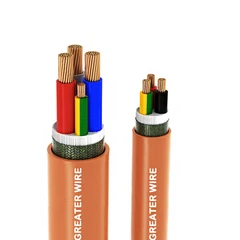
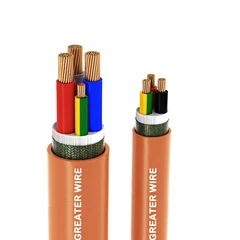


When selecting electrical cables for specific applications, environmental conditions play a crucial role in determining which type of cable is the most appropriate for the job. Among the various types of cables available in the market, orange circular cables are particularly recognized for their high visibility, durability, and flexibility, making them suitable for a range of applications across industries. These cables are commonly used in power distribution, safety circuits, and emergency systems, and they often meet rigorous standards such as the SAA certificate, Australia standards, and AS/NZS 5000.1.
However, an important consideration when using any type of cable is its ability to function effectively under different environmental conditions, including low temperatures. Low-temperature environments can pose significant challenges to cable performance, such as the potential for reduced flexibility, brittleness, or insulation degradation. This raises the question: Can an orange circular cable be used in low-temperature environments?
In this article, we will explore the suitability of orange circular cables for low-temperature environments, analyzing their construction, materials, performance standards, and temperature ratings. Additionally, we will examine the importance of factors such as insulation type, environmental stress, and compliance with industry standards like the SAA certificate, Australia standard, and AS/NZS 5000.1 in determining their capability to function in cold environments.


What Are Orange Circular Cables?
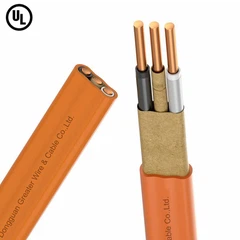
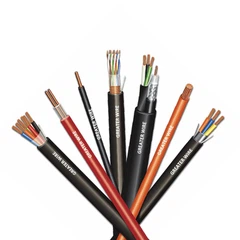
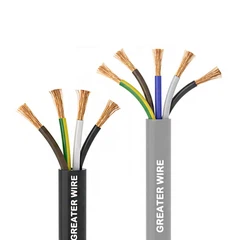
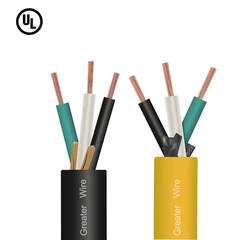
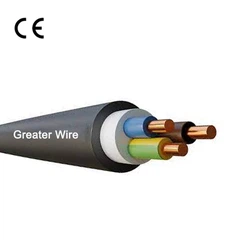
Before delving into the specifics of how orange circular cables perform in low-temperature conditions, it is essential to understand what these cables are and what they are commonly used for. An orange circular cable typically consists of several key components:
Conductors: The central part of the cable, which carries electrical current. Conductors are typically made of copper or aluminum, with copper being the more common choice due to its superior electrical conductivity.
Insulation: Surrounding the conductor is the insulation material, which serves to prevent electrical short circuits and ensures the safe transmission of electricity. Insulation materials can vary, with PVC, XLPE, and rubber being the most common choices.
Shielding and Armoring: Some cables include additional shielding, typically in the form of a metallic layer such as aluminum foil or copper wire, which serves to protect the cable from electromagnetic interference (EMI) and provides mechanical protection.
Outer Jacket: The outer layer of the cable, typically made of materials like PVC, TPE, or rubber, provides protection against physical damage, moisture, UV radiation, and other environmental factors. The distinctive orange color is often used for high-visibility purposes, particularly in safety-critical systems.
Orange circular cables are designed for a range of applications, including power transmission, emergency lighting, safety circuits, and industrial equipment. They are favored in environments where high visibility, flexibility, and durability are important.

How Low Temperatures Affect Cables
Low-temperature environments can have a significant impact on the performance of electrical cables. When exposed to extreme cold, cables can face a variety of challenges, including:
1. Reduced Flexibility
One of the most common issues with cables exposed to low temperatures is reduced flexibility. When insulation materials become cold, they tend to stiffen, which can make the cable difficult to bend or maneuver. This is particularly problematic in installations where the cable must be routed through tight spaces or around obstacles. In extreme cases, the cable could become so stiff that it could crack or break when bent, leading to potential damage or failure.
2. Brittleness and Cracking
In extremely cold conditions, certain materials used in cables, particularly PVC and rubber, can become brittle. This makes them more susceptible to cracking or breaking, which could compromise the cable's insulation and structural integrity. This is a concern for any installation that requires the cable to maintain its mechanical properties and electrical performance.
3. Reduced Insulation Resistance
Cold temperatures can also affect the insulation resistance of the cable. As the temperature drops, the insulating materials may lose some of their effectiveness, increasing the likelihood of insulation breakdown or short circuits. This can be a serious safety concern, especially in circuits that require continuous and reliable performance.
4. Condensation and Moisture Damage
In cold environments, condensation can form on cables, especially when they are moved between temperature extremes (e.g., from a heated indoor environment to an unheated outdoor space). This moisture can seep into the cable and damage the insulation, potentially leading to electrical faults or short circuits. Moisture-resistant materials and waterproof jackets are essential to mitigate this risk.

How Orange Circular Cables Perform in Low-Temperature Environments
1. Insulation Material and Temperature Ratings
The temperature resistance of orange circular cables largely depends on the type of insulation material used. Different insulation materials have varying temperature ranges, and understanding the properties of these materials is key to determining whether an orange circular cable is suitable for low-temperature environments.
PVC Insulation: PVC is one of the most commonly used insulation materials for cables. While it is highly durable and cost-effective, PVC-insulated cables typically have a temperature range of around -15°C to 70°C for continuous operation. In cold environments, PVC can become stiff and brittle, making it less suitable for extreme low-temperature conditions. However, PVC is often used in moderate cold climates or environments with minimal exposure to freezing temperatures.
XLPE Insulation: Cross-linked polyethylene (XLPE) offers better performance in cold conditions compared to PVC. XLPE cables are known for their high flexibility and resistance to temperature extremes, with an operating range of about -40°C to 90°C. XLPE is generally more resistant to cold temperatures than PVC, making it a better choice for low-temperature environments. This makes it suitable for applications in cold industrial settings or outdoor locations exposed to freezing conditions.
Rubber Insulation: Rubber-based insulation materials, such as EPDM (ethylene propylene diene monomer) and SBR (styrene-butadiene rubber), can be highly flexible even in colder conditions. These materials are often used in flexible cables designed for environments where high flexibility is needed, even in low-temperature settings. Rubber insulation is typically rated for temperatures as low as -40°C and can maintain its flexibility and performance in freezing conditions.
For extreme low-temperature applications, cables with silicone rubber insulation, which can withstand temperatures as low as -60°C, may be required. These cables are specifically designed for use in extremely cold environments, such as outdoor installations in arctic climates.
2. Outer Jacket and Environmental Resistance
The outer jacket of an orange circular cable plays a critical role in protecting the internal components of the cable from environmental damage, including moisture, abrasion, and UV radiation. Materials like PVC, TPE (thermoplastic elastomer), and rubber are commonly used for outer jackets.
PVC Jackets: While PVC is durable and resistant to most environmental stresses, it can become brittle in low temperatures, especially when exposed to extreme cold. This can lead to cracking of the outer jacket and increased risk of moisture ingress. TPE and rubber jackets are more flexible and durable in cold conditions compared to PVC, and they are often used for cables exposed to freezing temperatures.
Moisture Resistance: For applications in which the cable is exposed to cold and damp conditions, cables with moisture-resistant jackets are essential. Waterproof materials help prevent water from entering the cable, which could cause damage to the insulation or conductors. EPDM and rubber jackets are commonly used for outdoor and industrial cables in cold environments.
3. Flexibility in Cold Environments
As mentioned earlier, low temperatures can cause cables to become stiff, making them harder to work with and install. Flexible cables are essential in environments where cables must be bent or routed around obstacles. Stranded conductor cables, such as orange circular cables, typically provide more flexibility than solid conductor cables, which is an advantage in cold environments. Additionally, cables with rubber insulation or TPE jackets tend to maintain better flexibility in low temperatures compared to those with PVC insulation.
4. Compliance with Standards and Certifications
The performance of orange circular cables in low-temperature environments can be ensured by selecting cables that meet certain safety standards and performance certifications. In Australia and New Zealand, cables must adhere to standards such as the SAA certificate, Australia standards, and AS/NZS 5000.1, which govern the design, construction, and testing of cables for safety and performance.
SAA Certificate: The SAA certificate ensures that the cable has been tested and meets the relevant safety standards, including those for temperature resistance.
Australia Standards: The Australia standard specifies the performance requirements for electrical cables, including their temperature ratings and material properties.
AS/NZS 5000.1: This standard provides guidelines for the design and construction of cables used in residential and commercial applications, ensuring that they are safe and reliable in various temperature environments.
By selecting cables that comply with these standards, users can ensure that their orange circular cables will perform reliably in low-temperature conditions and meet the required safety and performance criteria.