























In electrical and industrial applications, choosing the right type of cable for specific environmental conditions is crucial to ensure the safety, longevity, and reliability of the entire system. Orange circular cables are commonly used in various industries due to their high visibility, durability, and flexibility. However, one critical aspect to consider when selecting any cable is whether it is suitable for use in high-temperature environments.
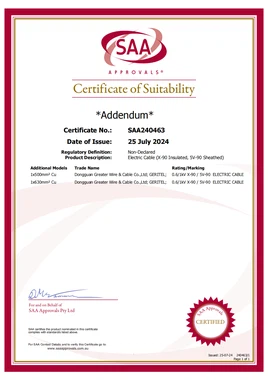
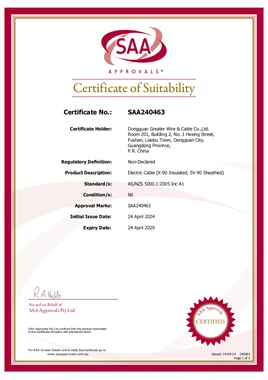
Orange circular cables are known for their distinctive color, which helps with quick identification, especially in critical systems. They are designed for a wide range of applications, including power distribution, safety circuits, emergency systems, and industrial machinery. These cables are engineered to meet specific safety and performance standards, such as the SAA certificate, Australia standards, and AS/NZS 5000.1. However, when it comes to high-temperature environments, it is important to evaluate whether orange circular cables are capable of handling the heat conditions without compromising performance or safety.
In this article, we will explore the suitability of orange circular cables for high-temperature environments, considering the materials used in their construction, the standards they must comply with, and how they compare to other cables that may be more explicitly designed for extreme heat conditions.

Understanding Orange Circular Cables
Before addressing the suitability of orange circular cables in high-temperature settings, it is important to understand what an orange circular cable is and what it is designed for.
An orange circular cable typically consists of several components:
Conductors: The core of the cable, usually made of copper or aluminum, carries the electrical current. The conductors are often made from stranded wire for flexibility and strength.
Insulation: Surrounding the conductors, insulation materials prevent electrical short circuits and ensure that the electricity flows in the desired direction. Common materials include PVC (polyvinyl chloride), XLPE (cross-linked polyethylene), or rubber-based materials.
Shielding and Armoring: Shielding, made from copper wire or aluminum foil, is used to protect against electromagnetic interference (EMI), while armoring offers mechanical protection, often in the form of steel wire or other materials to prevent physical damage to the cable.
Outer Jacket: The outer layer of the cable is usually made of materials such as PVC, TPE, or rubber, and provides protection against environmental elements like moisture, chemicals, and UV radiation. In the case of an orange circular cable, the outer jacket is colored orange for identification purposes, particularly for safety circuits and power systems.

Temperature Ratings of Orange Circular Cables
The temperature resistance of an orange circular cable depends on several factors, including the insulation material used, the cable's intended purpose, and the specific standards to which the cable is built. Generally, cables designed for use in industrial and commercial applications are built to withstand certain temperature ranges. These temperature ratings can be divided into two categories:
Operating Temperature: This is the maximum temperature the cable can handle during normal operation without affecting its electrical performance or causing damage.
Short-Circuit Temperature: This is the temperature the cable can withstand for short durations (in cases of a short circuit or power surge) without permanent damage.
For orange circular cables, the most common insulation materials include:
PVC: Standard PVC insulation can typically withstand temperatures up to 70°C to 90°C for continuous operation. This material is suitable for many general-purpose applications but may not be ideal for high-temperature environments.
XLPE: Cross-linked polyethylene (XLPE) is a higher-performance insulation material that can withstand higher temperatures. XLPE-insulated cables typically have an operating temperature rating of 90°C to 105°C, and some versions can withstand up to 120°C. This makes XLPE a better choice for applications requiring higher temperature resistance.
Rubber Insulation: Certain rubber-based insulation materials can withstand temperatures up to 90°C to 120°C. These are often used in flexible cables designed for harsh environments where flexibility is required alongside higher temperature resistance.

High-Temperature Performance of Orange Circular Cables
To determine whether an orange circular cable is suitable for high-temperature environments, the most important consideration is the insulation material used. Cables designed for use in high-temperature environments require insulation that can maintain its integrity and continue to perform effectively in elevated heat conditions.
Cables with PVC Insulation: PVC-insulated cables are typically not ideal for high-temperature environments beyond 70°C to 90°C. When exposed to temperatures above their rated limits, PVC may soften, degrade, or melt, leading to potential failure. These cables are best suited for environments with moderate temperature ranges, such as indoor installations or low-voltage power circuits.
Cables with XLPE Insulation: XLPE is more resistant to heat compared to PVC. With an operating temperature range of up to 90°C to 105°C, XLPE-insulated orange circular cables can handle higher temperatures, making them more suitable for industrial environments or installations where cables are exposed to moderate heat.
Cables with Rubber Insulation: Rubber-insulated cables are also suitable for higher temperatures, particularly those that are rated for up to 90°C to 120°C. These cables are often used in environments where flexibility and high-temperature resistance are both required, such as in heavy machinery, power plants, or outdoor equipment exposed to the elements.
If the environment involves extreme temperatures (above 120°C), cables with specialized high-temperature insulation, such as silicone rubber, fiberglass, or thermoplastic elastomer (TPE), may be needed. These materials can withstand temperatures above 150°C and are more appropriate for high-heat applications.

Considerations for High-Temperature Applications
When selecting a cable for high-temperature environments, it is important to consider more than just the insulation material. The overall cable construction and the operating conditions must also be taken into account.
Voltage Rating: The temperature rating of a cable is often linked to its voltage rating. As temperature increases, the insulation material becomes less effective at withstanding electrical stress, which can lead to insulation breakdown or failure. Ensure the orange circular cable selected is designed for the voltage range required for the high-temperature environment.
Flexibility: In high-temperature environments, cables need to remain flexible to be installed and maintained effectively. Stranded conductors often enhance flexibility, making them easier to work with compared to solid-core cables, particularly in high-stress, high-temperature installations where the cable might need to bend around obstacles.
Mechanical Protection: In many high-temperature settings, cables may be exposed to physical stress from machinery, heavy equipment, or other industrial operations. Therefore, armored orange circular cables (with steel or copper wire armor) can provide extra mechanical protection while withstanding higher temperatures.
Environmental Exposure: It is essential to consider other environmental factors such as moisture, UV radiation, and chemical exposure. Some high-temperature cables are designed with enhanced outer jackets that provide additional resistance to environmental damage. Orange circular cables with materials like TPE offer flexibility and resistance to both high temperatures and environmental stresses, making them suitable for challenging industrial and outdoor environments.

Relevant Standards and Certifications for High-Temperature Cables
The SAA certificate, Australia standard, and AS/NZS 5000.1 are key regulatory benchmarks that provide guidance on safety, performance, and design for electrical cables in Australia and New Zealand. These standards ensure that cables meet strict requirements for temperature resistance, mechanical strength, and overall safety.
1. SAA Certificate
The SAA certificate indicates that the cable complies with Australian safety standards. It ensures that the cable is safe to use in specific environments, including those involving higher temperatures, as long as the cable is designed to withstand such conditions.
2. Australia Standard
Australia standards (such as AS/NZS 5000.1) provide specific requirements for the construction of cables, including those used in high-temperature environments. The standards set guidelines for insulation materials, maximum temperature ratings, and safety features, which manufacturers must meet to produce cables suitable for high-temperature applications.
3. AS/NZS 5000.1
AS/NZS 5000.1 applies to cables used in electrical installations, outlining the requirements for cables to safely withstand different temperature ranges. The standard ensures that cables used in both residential and industrial applications are tested and rated to perform safely under varying temperature conditions.