

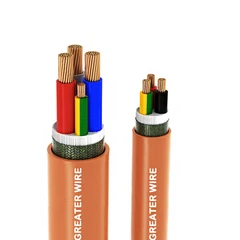
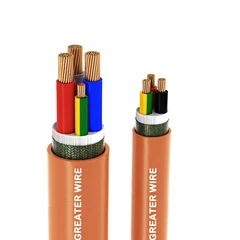

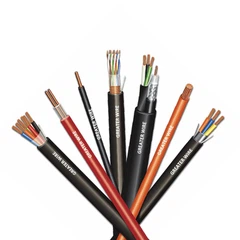
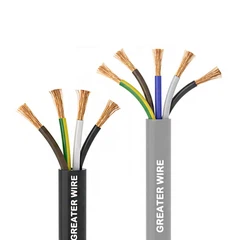
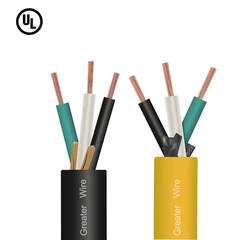
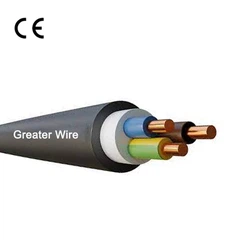
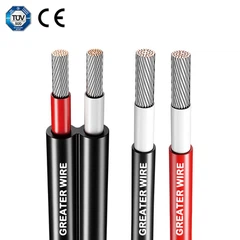

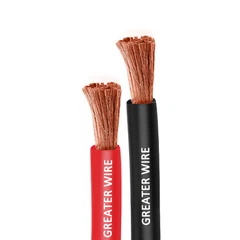
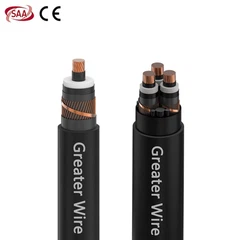
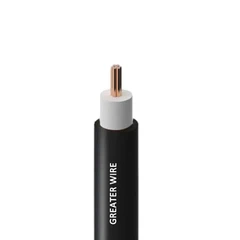
When selecting electrical cables for specific applications, various factors need to be considered, such as safety, performance, environmental resistance, and ease of installation. Orange circular cables are one of the most common choices in both industrial and commercial settings. These cables, with their distinctive orange color, have been designed to meet the specific needs of high-visibility, safety, and high-performance electrical systems.
In this article, we will explore the advantages of using an orange circular cable compared to other types of cables, including the features that set them apart, how they align with Australia's electrical standards such as the SAA certificate, Australia standard, and AS/NZS 5000.1, and how these advantages contribute to their widespread use in various applications.


Key Features of Orange Circular Cables
Before delving into the advantages, it is important to understand what makes orange circular cables unique compared to other cable types.
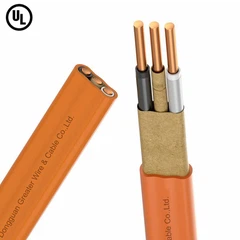
High Visibility: The most obvious feature of an orange circular cable is its distinctive color. This bright orange jacket enhances visibility, making the cable easy to identify in complex installations or hazardous environments. This is particularly important in outdoor, underground, or industrial applications, where cables might be installed in areas with poor lighting or in environments that require quick identification for safety and maintenance.
Durability: Orange circular cables are engineered to withstand harsh environmental conditions. They are designed with robust insulation and outer jackets that provide resistance against abrasion, UV exposure, moisture, and temperature fluctuations, ensuring they maintain their integrity over time, even in demanding environments.
Safety Design: The orange color is often used for cables related to critical systems, such as power distribution and emergency circuits. This visual cue ensures that workers can quickly identify cables that are associated with safety and emergency functions, which is vital in emergency situations.
Flexibility: The circular design of the cable provides an ideal balance between flexibility and mechanical strength. The cable can be easily bent or routed through tight spaces, making it suitable for installations where cables need to be flexible and resilient to mechanical stress.
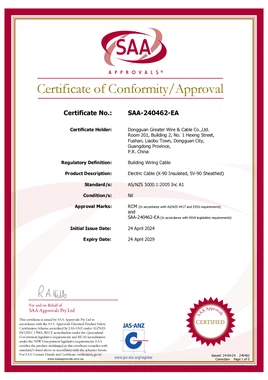
Standards Compliance: Orange circular cables are built to meet stringent industry standards, ensuring their safe and reliable performance in electrical systems. These cables comply with Australia's electrical standards, including the SAA certificate, Australia standard, and AS/NZS 5000.1, ensuring that they meet the highest safety and quality requirements.
Now, let's explore the advantages of using orange circular cables compared to other types of cables.

1. Enhanced Safety and Quick Identification
One of the primary reasons that orange circular cables are preferred in many applications is their high visibility, which contributes significantly to safety. In environments where multiple cables are installed together, such as in industrial or outdoor settings, distinguishing between cables can be difficult. By using a color-coded system, orange circular cables immediately stand out, allowing technicians, electricians, and workers to quickly identify their purpose and function.
For instance, cables used for emergency lighting, fire alarms, or critical power circuits are often marked with an orange color to denote that they are part of a safety-critical system. This makes it easy to prioritize maintenance tasks, troubleshoot issues, and make repairs in a timely manner.
In contrast, standard black or grey cables can blend into the surroundings and become difficult to differentiate, especially when numerous cables are installed in a confined space. In emergency situations, this can lead to confusion, delays, and safety hazards. Therefore, the use of orange-colored cables provides a clear safety advantage over other cable types.

2. Superior Durability and Environmental Resistance
Orange circular cables are designed to withstand harsh environmental conditions, making them a highly durable choice for a variety of applications. These cables are often used in outdoor installations, underground wiring, and high-stress industrial environments where they are exposed to extreme temperatures, moisture, sunlight, chemicals, and physical wear.
The outer jacket of an orange circular cable is typically constructed from robust materials like PVC (polyvinyl chloride), TPE (thermoplastic elastomer), or XLPE (cross-linked polyethylene). These materials are resistant to abrasion, UV radiation, and chemical exposure, ensuring the cable can perform reliably even in challenging environments. Additionally, some cables may be armored with metal wire to provide additional protection against mechanical damage, further enhancing their durability.
In contrast, other cables such as those with PVC jackets in neutral colors may not offer the same level of environmental resistance. Cables with lesser-quality insulation or those designed for indoor use may not perform as well in harsh conditions, leading to premature wear and potential failures. Orange circular cables, with their specially designed outer layers, offer superior protection against the elements and are better suited for long-term use in demanding conditions.

3. Compliance with Standards and Certifications
One of the key advantages of using orange circular cables is their ability to comply with recognized industry standards and regulations, ensuring safety and performance. In Australia, electrical cables must meet stringent standards to ensure they are safe and reliable. Orange circular cables are often manufactured to comply with standards such as the SAA certificate, Australia standard, and AS/NZS 5000.1. Let's look at the significance of these certifications:
SAA Certificate: The SAA certificate is a certification mark that indicates a product has been tested and meets the safety requirements set by the Standards Australia. For orange circular cables, obtaining the SAA certificate ensures that the cable meets safety regulations for electrical performance, insulation resistance, and fire resistance. This certification ensures that the cable is safe for use in residential, commercial, and industrial installations.
Australia Standard: The Australia standard for electrical cables outlines the minimum requirements for the design, construction, and testing of cables. Orange circular cables built to meet Australia standards undergo rigorous testing for insulation integrity, mechanical strength, and electrical conductivity, ensuring they are suitable for a wide range of electrical applications. These standards provide assurance that the cable will perform safely and effectively throughout its service life.
AS/NZS 5000.1: This standard specifically covers the construction and performance requirements for cables used in electrical installations across Australia and New Zealand. AS/NZS 5000.1 provides detailed guidelines for the insulation materials, conductor sizes, and voltage ratings of cables, ensuring they meet the necessary performance requirements. By adhering to this standard, orange circular cables are guaranteed to perform reliably, even in demanding applications, while minimizing the risk of electrical faults or failures.
Adhering to these standards and obtaining these certifications not only enhances the safety of the electrical system but also ensures that the cables are reliable, durable, and compliant with national and international regulations. By using orange circular cables that meet these standards, users can have confidence in the safety and performance of the wiring system.

4. Improved Flexibility and Ease of Installation
Orange circular cables are designed with flexibility in mind, making them easier to install and manage compared to other types of cables. The circular design, along with the use of stranded conductors (multiple smaller wires twisted together), enhances the cable's flexibility, allowing it to be easily bent and routed through tight spaces, corners, and conduits. This is particularly beneficial in complex installations or confined spaces where the cable needs to be maneuvered around obstacles.
Additionally, the flexible design allows orange circular cables to be installed in a variety of environments, including indoor, outdoor, industrial, and underground applications. This flexibility reduces the need for special tools or complicated installation procedures, leading to quicker installations and lower labor costs.
In contrast, other cables may have more rigid designs, making them harder to work with and more difficult to route through constrained spaces. This can result in longer installation times and a higher likelihood of damage during the installation process.

5. Wide Range of Applications
Orange circular cables are highly versatile and can be used in a wide variety of applications, including:
Power Distribution: Orange circular cables are often used in power distribution systems, where they are responsible for transmitting electricity to machinery and equipment. The cable's high visibility ensures that critical circuits can be identified quickly and easily.
Safety and Emergency Circuits: These cables are commonly used for safety-related circuits such as fire alarms, emergency lighting, and backup power systems. The orange color signifies that these circuits are essential for the safety and operation of the electrical system.
Outdoor and Underground Wiring: Orange circular cables are ideal for outdoor and underground installations due to their ability to withstand harsh environmental conditions, such as exposure to UV rays, moisture, and temperature fluctuations.
Telecommunications: Orange circular cables are also used in telecommunications and networking applications, where they provide a reliable means of transmitting signals or power to remote locations.
In each of these applications, the use of orange circular cables provides a significant advantage in terms of safety, durability, and ease of installation.