


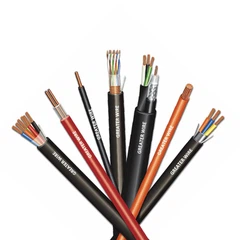
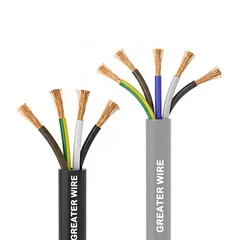
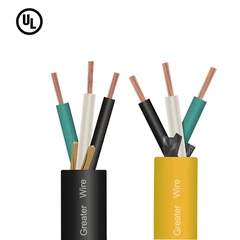
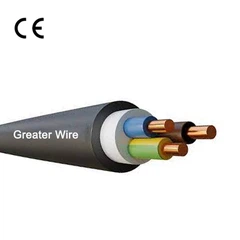
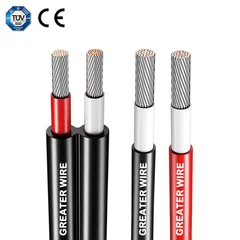

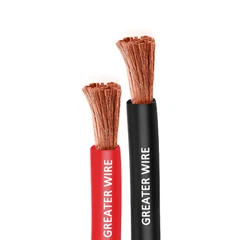
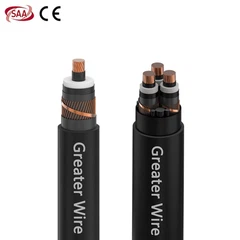
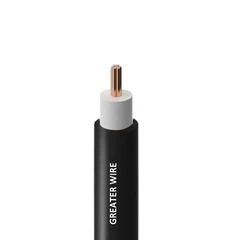
When choosing the right type of wire for demanding applications, engineers often ask: Does silicone wire shrink over time or under extreme conditions? This is a valid concern, since dimensional stability directly impacts electrical safety, durability, and performance.
Unlike some insulation materials that harden, crack, or shrink when exposed to heat, cold, or chemicals, silicone electrical wire demonstrates remarkable stability. However, understanding the conditions that may influence dimensional changes is essential for selecting the right cable for long-term use.
In this article, we will explore whether silicone wire shrinks, how it compares to PVC wire, and what factors ensure stability in real-world applications.
Why Shrinkage in Electrical Wires Matters
Shrinkage can reduce insulation thickness, expose conductors, and compromise both safety and performance. Even minor changes in wire size may impact current-carrying capacity, insulation integrity, and long-term reliability.
For industries like automotive, solar power, and communication systems, dimensional stability ensures consistent performance over the wire's lifespan. This makes shrinkage resistance a key selection criterion.
Thermal Stability of Silicone Material
One of the main advantages of silicone cable is its exceptional thermal stability. Silicone insulation can withstand -60°C to +200°C without significant dimensional changes.
Unlike thermoplastic insulation, silicone rubber does not melt or soften significantly at high temperatures. This means that silicone electrical wire retains its original shape and size, minimizing shrinkage even under prolonged thermal stress.
Shrinkage Behavior: Silicone Wire vs. PVC Wire
PVC is a cost-effective insulation material but is prone to thermal shrinkage and hardening. Over time, exposure to heat and UV radiation causes PVC to contract, leading to cracking or insulation gaps.
By contrast, flexible silicone wire remains dimensionally stable, even after extended exposure to harsh environments. This makes silicone cable a more reliable choice in sectors where safety and durability cannot be compromised.
| Feature | Silicone Wire | PVC Wire |
|---|---|---|
| Thermal Shrinkage | Minimal | High |
| Aging Resistance | Excellent | Poor |
| Dimensional Stability | Long-term stability |
Prone to change |
Role of Stranded Conductors in Dimensional Stability
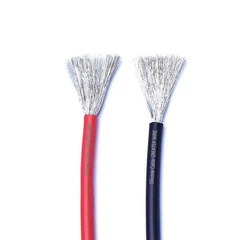
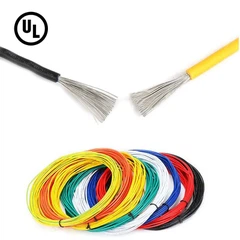
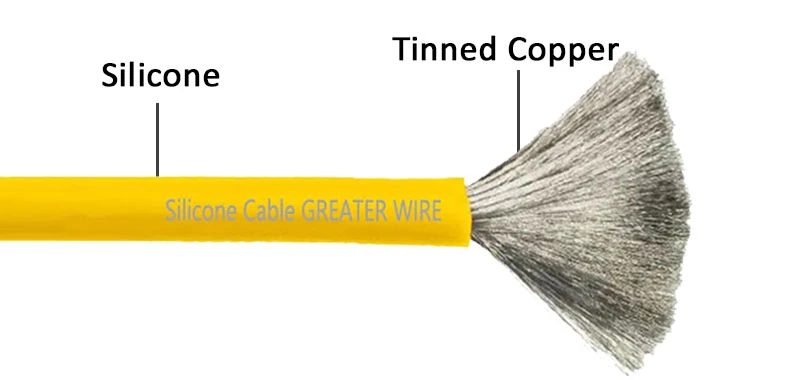
The conductor design also plays a role in whether a wire maintains its size. Many silicone electrical wires use fine-stranded copper conductors, which are both flexible and resistant to stress-related deformation.
This design minimizes internal tension that could otherwise contribute to shrinkage, ensuring that flexible silicone wire maintains consistent geometry over years of use.
Impact of Aging and UV Exposure
Over time, environmental exposure is a common cause of wire shrinkage. UV radiation, in particular, can degrade many polymers, causing them to lose flexibility and contract.
Silicone wire, however, has superior UV and weather resistance, maintaining its elasticity and size over long-term outdoor use. This makes silicone cable a preferred choice in solar energy systems, aerospace, and outdoor communication networks.
Chemical Environment and Dimensional Stability
In some industries, wires are exposed to oils, fuels, solvents, or cleaning agents. These chemicals can cause insulation materials like PVC or rubber to swell, shrink, or harden.
By contrast, silicone electrical wire offers excellent resistance to most chemicals, ensuring that dimensional stability is preserved even in harsh industrial environments. This feature extends the service life of silicone cable in sectors such as automotive manufacturing and petrochemical plants.
Industry Standards and Testing Verification
To guarantee performance, silicone cables undergo rigorous testing for thermal aging, dimensional stability, and mechanical stress resistance. International standards such as UL, VDE, and IEC include evaluations to ensure the wire does not shrink beyond acceptable limits.
This testing ensures that flexible silicone wire delivers consistent performance throughout its service life, even under demanding operating conditions.
Performance in Real-World Applications
The practical benefits of silicone wire are evident in diverse industries:
- Automotive: Engine bay wiring where high heat could shrink PVC cables
- Solar Energy: Long-term outdoor installations exposed to UV radiation
- Aerospace: Environments with extreme temperature fluctuations
- Medical Devices: Applications where consistent insulation thickness ensures patient safety
In each of these fields, silicone electrical wire demonstrates exceptional dimensional stability, reducing the risk of shrinkage-related failures.
A Trusted Source for Reliable Silicone Wire
At Dongguan Greater Wire & Cable Co., Ltd., we understand that performance and reliability are built on consistency. That's why our silicone wire and silicone cable products meet strict international standards and have been certified by more than 50 product certifications worldwide.
We also recognize that different projects require different solutions. That's why we provide customized options-whether it's insulation material, color, size, printing, or packaging-so customers receive exactly what they need.
To ensure confidence, we welcome third-party inspections and guarantee transparency in every order. Our wires are trusted across a wide range of industries, including construction, power, solar energy, automotive, rail transit, and telecommunications.
Additionally, we support projects of all sizes by offering free samples for testing before purchase. This allows customers to evaluate the quality of our silicone electrical wires before making a long-term investment.
📞 Contact Us Today:
Dongguan Greater Wire & Cable Co., Ltd.
Tel/WhatsApp/Wechat: +86 135 1078 4550 / +86 136 6257 9592
Email: manager01@greaterwire.com