


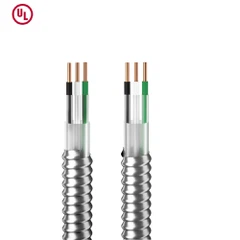
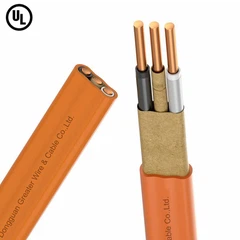
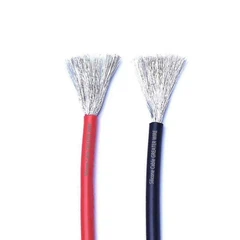
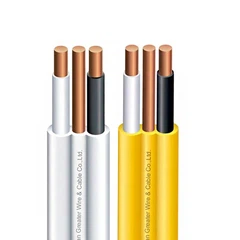
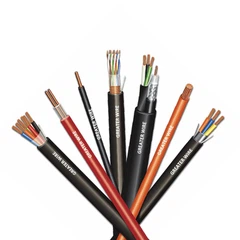
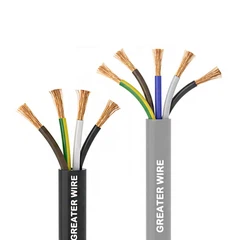
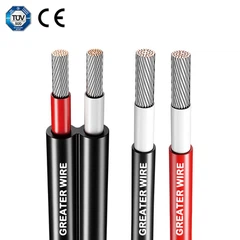

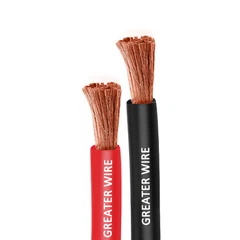
Choosing the correct size of solar cable is crucial for ensuring the safety, efficiency, and longevity of your solar power system. The right solar wire ensures minimal voltage drop, maximizes energy efficiency, and prevents overheating and potential hazards. One of the most common challenges for solar system designers is choosing the correct cable size based on the system's power capacity (measured in kW, kilowatts). In this article, we will walk through the process of selecting the appropriate solar cable size based on the total power output of your solar panels.
Understanding the Key Concepts
Before delving into how to choose the right solar cable size, let's first break down some key terms and concepts related to solar power systems and cables.
1.1 What is a h1z2z2-k Solar Cable?
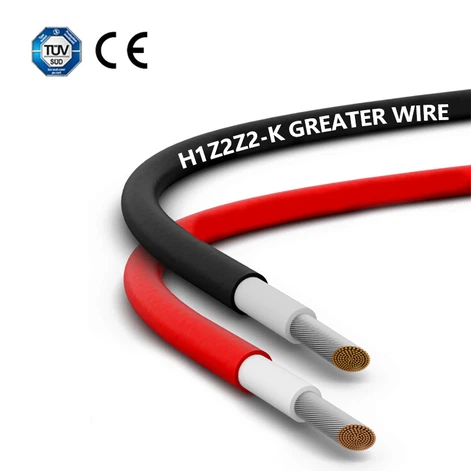
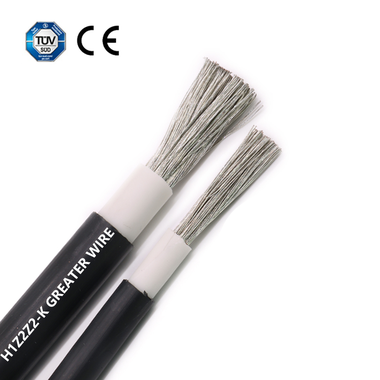
A h1z2z2-k solar cable is a type of electrical cable specifically designed for use in solar power systems. These cables connect the solar panels to the inverter, the inverter to the battery storage system (if applicable), and the inverter to the grid or load. Solar cables are engineered to be resistant to the harsh environmental conditions that solar power systems often face, such as UV exposure, high temperatures, and moisture.
1.2 What is kW (Kilowatt)?
A kilowatt (kW) is a unit of power equal to 1,000 watts. In the context of solar power systems, kW refers to the total amount of power a solar panel system can generate under optimal conditions. The size of a solar power system is typically given in kilowatts, and this value will affect the current and voltage that must be carried through the system's wiring.
1.3 Voltage and Current in Solar Systems
In solar power systems, there are two primary electrical quantities to consider when choosing a cable:
Voltage (V): The potential difference that drives the flow of electricity. Common voltages in solar systems are 12V, 24V, 48V for small off-grid systems, and 220V to 380V for grid-connected systems.
Current (I): The flow of electric charge. This is usually measured in amperes (A).
The current is a critical factor when selecting the size of the cable because the cable must be able to handle the flow of electricity without excessive heating or risk of damage. Voltage drop is another consideration, especially for long cable runs, as a large drop can lead to inefficiencies and power loss.

How to Choose Solar Cable Size Based on kW
To select the appropriate solar cable size for your system, the key factors to consider include:
The power rating of your system (in kW)
The system voltage
The maximum current that the cable will carry
The distance between the solar panels and the inverter or charge controller
Below, we will outline the steps involved in choosing the right solar cable size based on these factors.
2.1 Step 1: Calculate the Current (Amperage)
The first step in selecting the correct solar cable size is calculating the current that will flow through the cable. The formula to calculate the current is:
I=P/V
Where:
I is the current (in amperes, A)
P is the total power of the system (in watts, W)
V is the system voltage (in volts, V)
For example, if you have a 5 kW solar system operating at 48V, the current would be calculated as:
I=5000W/48V=104.17A
This means your solar cable will need to handle a current of 104.17 amps.
2.2 Step 2: Consider Cable Length and Voltage Drop
The next step is to consider the cable length and the voltage drop. Voltage drop is the reduction in voltage that occurs when electrical current flows through the cable, and it increases with distance. To minimize voltage loss, it's important to use a sufficiently thick cable for longer cable runs.
As a general rule, you want to aim for a voltage drop of no more than 2% of the system's voltage. This means that if you're using a 48V system, the voltage drop should not exceed 0.96V (2% of 48V).
The longer the cable, the larger the size needed to maintain low voltage drop and efficient energy transfer. If your solar array is far from the inverter or charge controller, it may be necessary to increase the cable size to ensure that the voltage drop does not exceed this limit.
2.3 Step 3: Determine the Appropriate Cable Size
Once you have calculated the current and considered the voltage drop, you can determine the correct solar cable size. Solar cables come in different sizes, typically ranging from pv wire 2.5 mm² to pv wire 16 mm² and higher, with larger cables being able to carry more current.
There are general guidelines based on current and distance for choosing the correct solar wire. Let's look at a few examples of solar cable size recommendations:
For a 48V system with 5 kW of power (104.17A):
For short runs (up to 10 meters), a 6 mm² solar cable may be sufficient.
For longer runs (up to 30 meters), a 10 mm² or even 16 mm² cable may be necessary to keep voltage drop within acceptable limits.
For a 12V system with 2 kW of power (166.67A):
For short runs (up to 5 meters), a 10 mm² or 16 mm² soalr cable should be used.
For longer runs (up to 20 meters), a 25 mm² or larger cable may be required.
2.4 Step 4: Account for Safety and Future Expansion
While calculating the solar cable size based on your current system's power output is essential, it's also a good idea to consider potential future expansion and safety margins. If you plan to add more panels or increase the system capacity, it's a good idea to choose cables that can handle higher currents. Additionally, choosing a cable with a larger current carrying capacity will provide a safety margin in case of higher-than-expected loads.
You should also ensure that the solar cable is rated for outdoor use, especially for long runs exposed to the elements. UV-resistant, weatherproof, and heat-resistant cables will ensure long-term durability and performance.
Selecting Solar Cable Size for Different Applications
Let's explore the solar cable size based on specific use cases:
3.1 Small Off-Grid Solar Systems
For small off-grid solar systems with 12V or 24V batteries and relatively low power outputs (up to 1-2 kW), pv cable 2.5 mm² or 4 mm² solar cable can often be sufficient, as long as the cable run is short (under 10 meters). These systems typically involve lower currents and lower distances, so the voltage drop is not a significant issue.
3.2 Medium and Large-Scale Systems
For larger systems, such as grid-connected systems or those with 48V or higher voltages, cable sizes like pv wire 6 mm², 10 mm², or even solar cable 16 mm² are more common. These systems often involve larger amounts of power (e.g., 5-10 kW) and may have longer cable runs, making it essential to balance current capacity with voltage drop.
3.3 Commercial and Industrial Solar Systems
For large commercial or industrial solar systems with power outputs of 50 kW or higher, solar cables ranging from solar wire 25 mm² tosolar pv cable 50 mm² may be required to handle the high current and long cable runs. These systems often involve complex installations and multiple inverters, and selecting the right cable size is critical to ensure efficient operation.