























As an important part of urban infrastructure, underground power systems have become an important technical means to ensure the safety and stability of urban power supply. Underground Direct Burial Cable have many advantages such as strong concealment, high safety, and strong environmental adaptability, so they are widely used in urban power supply. Compared with traditional overhead cables, Underground Direct Burial Electrical wire can effectively avoid interference from the external environment, such as the impact of natural disasters such as wind disasters, lightning strikes, and snowstorms.
However, the service life of Underground Direct Burial Cable has always been an important issue of concern to power engineers. The service life of underground cables not only directly affects the stability of the power system, but also affects the maintenance and replacement cycle of power equipment. Therefore, exploring the service life of underground cables, especially the service life of direct buried cables, is crucial for the planning, design, construction and maintenance of power systems.
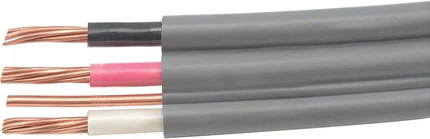
1. Overview of underground direct buried cable
Underground direct buried cables are power transmission facilities buried in the underground soil. Unlike traditional overhead cables, underground cables are not exposed to the air and can effectively avoid direct damage to the cables by the external environment. Therefore, underground electrical cable have significant advantages in terms of safety, anti-interference and environmental adaptability. Underground cables can not only improve the stability of urban power systems, but also improve the aesthetics of cities and enhance public safety.
Underground direct buried cable usually adopt a multi-layer protection structure with good mechanical strength, water resistance and corrosion resistance. Common types of underground cables include low-voltage swa armoured cable, medium-voltage power cable and high-voltage cable. Among them, low-voltage power cables are the most common, such as uf b cable, which is usually used for power supply in cities, residential areas and commercial areas.
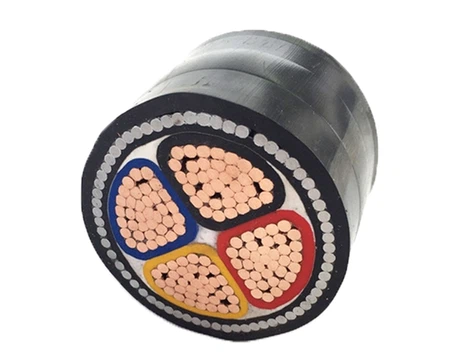
1.1 Basic structure of cable
underground direct buried cable usually consist of the following main parts:
Conductor: The conductor of the cable is usually made of copper or aluminum materials with excellent conductivity. The function of the conductor is to transmit current.
Insulation layer: The function of the insulation layer is to isolate the conductor from the external environment and prevent electrical failures. Commonly used insulation materials include polyethylene (PE), cross-linked polyethylene (XLPE), etc., which have excellent electrical insulation properties and heat resistance.
Shielding layer: The shielding layer is usually composed of metal wire or metal foil, and its function is to prevent electromagnetic interference and ensure the safe operation of the power system.
Protective layer: The outer sheath of the cable is usually made of weather-resistant materials such as polyvinyl chloride (PVC) or polyethylene (PE). It mainly plays the role of waterproofing, corrosion resistance and mechanical protection.
Steel wire armor (for some cables): Some special occasions require additional protection, especially in places with complex underground environments. For example, SWA cable, the outer layer of the cable may also be equipped with steel wire armor to enhance the cable's pressure resistance and prevent mechanical damage.
1.2 Buried methods of underground cables
Underground cables are usually buried in the soil by direct burial. There are several common buried methods for direct buried cables:
Direct burial: The cable is directly buried in the underground soil. This method is the most common burial method. The cable is generally buried in the soil, usually at a depth of 0.7 to 1 meter to avoid interference from external objects.
Protective pipe burial: For cables that require additional protection, protective pipes can be used to bury the cables underground. Protective pipes are usually made of materials such as PVC and HDPE, and have good pressure resistance and corrosion resistance.
Concrete troughs: In some particularly important occasions, concrete troughs can be used to protect cables. The trough not only provides physical protection for the cable, but also plays a role in waterproofing and ventilation.

2. Service life of underground direct buried wire
The service life of underground cables is a complex multi-factor comprehensive issue, which is affected by many factors. Under normal circumstances, the service life of underground cables is 30 to 50 years, but this life cycle is not static, but is affected by many factors such as installation quality, environmental conditions, and load conditions.
2.1 Factors affecting cable service life
The service life of underground cables is mainly affected by the following factors:
Environmental factors: The soil environment in which underground cables are located has a direct impact on the life of cables. For example, corrosive soil, soil with high humidity, or areas with large temperature changes may accelerate the aging of cable materials.
Cable load: The load of the cable directly affects its service life. Long-term overload operation will cause the cable to heat up, which will accelerate the aging of the cable insulation layer and shorten the service life of the cable.
Cable installation quality: The installation quality is directly related to the service life of the cable. The depth of cable burial, the quality of backfill soil, and the installation quality of the pipeline will affect the life of the cable. If the cable is damaged during the installation process, it may cause the cable to fail prematurely.
Cable material quality: Different types of cables have different material quality and structural design, which affects their service life. For example, cables with high-quality cross-linked polyethylene (XLPE) as insulation usually have a longer service life than cables with ordinary polyethylene (PE) as insulation.
2.2 Statistics on cable service life
According to relevant power engineering standards, the service life of underground cables can be roughly divided into the following categories:
Low voltage power cables (such as American standard UF-B cables): usually have a service life of about 30 to 40 years. These cables are widely used in residential areas, commercial areas and small industrial areas. Their service life is mainly affected by soil corrosiveness, humidity and load conditions.
Medium voltage power cables (such as European standard SWA armored cable): usually have a service life of about 40 to 50 years. Due to its additional steel wire armor and stronger pressure resistance, SWA cables have a better service life than ordinary cables when subjected to external physical impact.
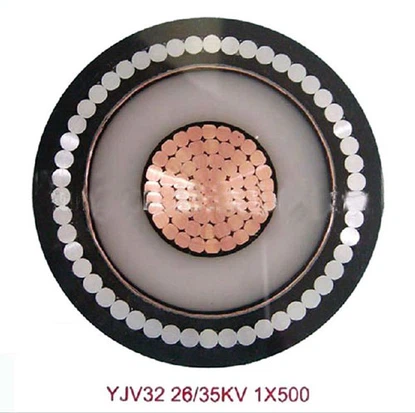
High voltage power cables: The service life of high-voltage cables can usually reach more than 50 years, and can even be extended to 60 years in some special environments. These cables are often used in industrial areas, large power transmission networks and power plants, among other places. Their long service life is due to their high-quality materials and strong pressure resistance.
3: Strategies for extending the life of underground direct buried cables
Although the service life of underground cables is affected by many factors, the service life of cables can be effectively extended through scientific design, reasonable installation and regular maintenance. The following are some strategies to extend the service life of underground cables:
3.1 Reasonable design and selection
When designing underground power systems, appropriate cable types should be selected according to the environmental conditions and power requirements of different regions. For example, in areas with high humidity or strong soil corrosiveness, cables with strong water resistance and corrosion resistance can be selected; while in areas with high mechanical pressure, cables with protective layers such as steel wire armor should be selected.
3.2 Ensure high-quality construction quality
The quality of cable installation is directly related to the long-term use of cables. During construction, the depth of the cable, the quality of the backfill soil and the integrity of the protective pipeline should be ensured to avoid damage to the cable due to excessive soil pressure or external force during operation. Construction personnel should strictly follow the design standards and operating procedures to ensure that the cables are safely and reliably buried.
3.3 Regular maintenance and inspection
Although underground cables are not easily damaged by the outside world, regular maintenance and inspection are still necessary. By regularly checking the operating status of the cable, potential
