

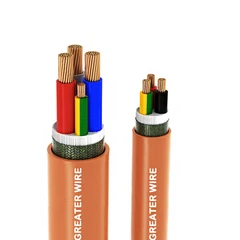
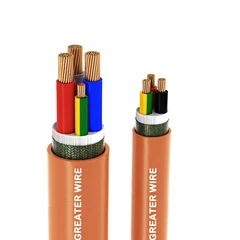

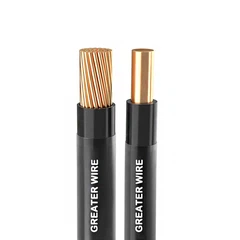
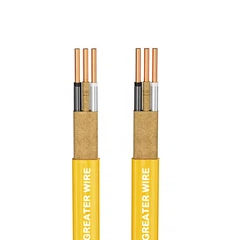
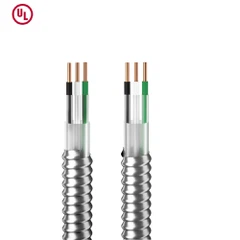
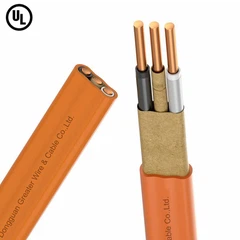
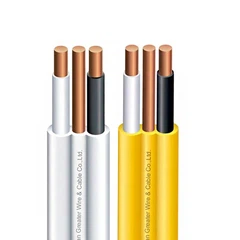
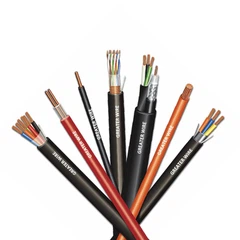
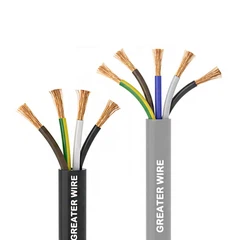
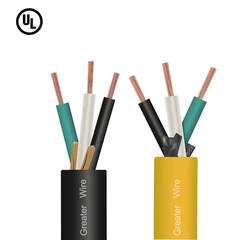
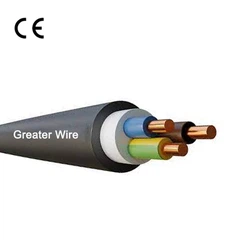
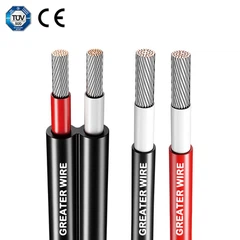

In the home electrical system, the selection and installation of wires are crucial and directly related to the safety and stability of home electricity. TPS wire (Thermoplastic Sheathed Cable) has become one of the preferred materials for home electrical wiring due to its excellent safety performance and wide application. Especially in Australia, TPS wires not only meet strict national standards, but also have certain characteristics such as fire resistance, anti-interference, and durability, which can effectively ensure the safety of home electricity. However, when using TPS wires, how to ensure its safety in home electrical systems depends on correct selection, installation, use and maintenance.
This article will focus on common specifications such as 1.5 mm TPS cable, TPS 2.5 mm cable, 2.5 mm 2C E TPS cable, and deeply discuss how to ensure the safety of TPS wires in home electrical systems, focusing on wire selection, installation precautions, safety protection measures, and regular inspection and maintenance.


1. Safety of wire specification selection
Choosing the appropriate wire specification is the first step to ensure the safety of home electrical systems. In Australia, common specifications of TPS wires include 1.5 mm TPS cable, TPS 2.5 mm cable and 2.5 mm 2C E TPS cable. The selection of each cable specification should be determined by the power requirements and current load capacity of the electrical equipment.
1.1 1.5 mm TPS cable
1.5 mm TPS cable is suitable for devices and circuits with lower power, such as lighting, low-power appliances (such as TVs, fans, table lamps, etc.). This cable can withstand a current load of about 10-13 amps and is commonly used in household lighting circuits and sockets. Due to its low current carrying capacity, it is necessary to ensure that it is not overloaded when used, otherwise it may cause the cable to overheat or even cause a fire.
1.2 TPS 2.5 mm cable
TPS 2.5 mm cable is suitable for the access of high-power appliances, such as air conditioners, electric water heaters, refrigerators, etc. This cable has a larger conductor cross-sectional area and can carry a current of 15-20 amps, so it can provide sufficient current carrying capacity when connected to these devices. When choosing a TPS 2.5 mm cable, make sure it meets the power requirements of the device to avoid overload.
1.3 2.5 mm 2C E TPS cable
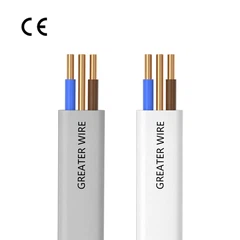
The 2.5 mm 2C E TPS cable is a two-core cable, which is usually used for circuits that require two wires, such as dual-switch circuits, sockets, and power tool access. The two-core design makes the electrical system more flexible and safe, especially suitable for situations where multiple electrical appliances need to be independently controlled in the home. When using a two-core cable, ensure that the wiring is correct to avoid electrical short circuits or fire risks caused by incorrect wiring.

2. Installation precautions
The installation quality of the wire is directly related to the safety of the home electrical system. In order to ensure the safe use of TPS wires, the following points should be strictly followed during the installation process:
2.1 Select wires according to load requirements
When installing TPS wires, the appropriate wire specifications must be selected according to the size of the electrical load. As mentioned earlier, 1.5 mm TPS cables are suitable for low-power devices, and 2.5 mm TPS cables are suitable for high-power appliances. Avoid overloads caused by improper wire specifications, thereby increasing the risk of fire.
2.2 Proper Wiring
When wiring, avoid excessive bending or stretching of wires. Cables should follow the manufacturer's minimum bending radius requirements when bending. Excessive bending can cause the conductor inside the wire to break or the sheath to be damaged, which in turn affects the safety of the wire. For cables running in underground pipes, ensure that the wires in the pipes are not subjected to excessive friction and pressure.
2.3 Comply with electrical regulations
During the installation process, be sure to comply with local electrical regulations and standards. For example, in Australia, electrical installations must comply with the AS/NZS 3000 standard, which specifies the safety requirements for home electrical systems, including the selection, installation methods, and grounding of wires. Qualified electrical installations can effectively prevent electrical fires and electric shock accidents.
2.4 Install protective equipment
In order to improve the safety of electrical systems, it is necessary to install circuit breakers and overload protection devices. Circuit breakers can automatically disconnect the circuit when the current is overloaded or short-circuited, preventing the cable from catching fire due to overload. Larger cables such as 2.5 mm 2C E TPS cables need to be equipped with appropriate circuit breakers and current protection devices when connecting high-power devices.

3. Safety measures
To ensure the safety of TPS wires in home electrical systems, a series of safety measures need to be taken to reduce the incidence of electrical failures and accidents.
3.1 Avoid cable overload
Overloading of wires is one of the common causes of fire. The current load of household electrical appliances should be reasonably distributed and avoid long-term overload. For TPS 2.5 mm cables that carry high-power devices, it is necessary to ensure that the sockets and appliances connected to them do not exceed the rated load of the wires.
3.2 Regular inspection of wires
It is crucial to regularly inspect the appearance and function of wires. When inspecting, pay attention to whether the cable sheath is intact, whether there are aging, cracks or wear, etc., to avoid the risk of electric shock or fire caused by exposed or damaged wires. Cables with obvious damage should be replaced in time.
3.3 Use qualified wires
Ensure that you purchase and use wire products that meet national standards and certifications. TPS wires in the Australian market generally comply with relevant standards such as AS/NZS 5000.2. Users should choose certified brands and models to avoid using unqualified wires and reduce safety hazards.
3.4 Proper grounding
The safety of TPS wires is also closely related to the grounding method of the home electrical system. During installation, ensure that the grounding terminals of all metal-cased electrical appliances and wires are well grounded. Good grounding can not only avoid leakage accidents, but also effectively protect users from electrical shock.

4. Safety precautions in daily use
In addition to safety measures during the installation phase, the following points should also be noted in daily use to ensure the long-term safe operation of TPS wires:
4.1 Avoid excessive stretching
When moving or repairing home appliances, avoid excessive stretching of wires. Excessive stretching may cause the internal conductor of the wire to break or the sheath to break, causing electrical accidents.
4.2 Avoid exposing wires to high temperature or humid environments
TPS wires have certain high temperature and humidity resistance, but they should still be avoided from being exposed to extreme temperature and humidity environments. Especially in humid environments such as kitchens and bathrooms, wires should be avoided from direct contact with water sources as much as possible to avoid electrical failures.
4.3 Prevent wires from contacting sharp objects
Wires should be avoided from contacting sharp objects during the laying process, especially when routing inside walls and floors. Sharp objects may damage the sheath of the wires, causing current leakage and risk of electric shock.