

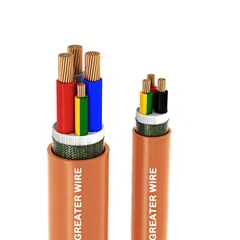
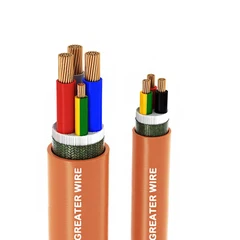

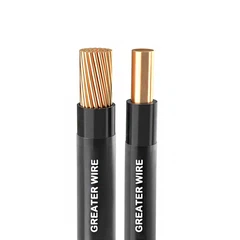
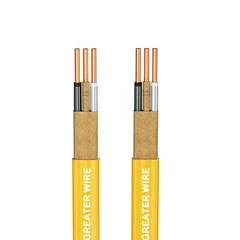
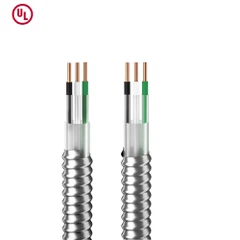
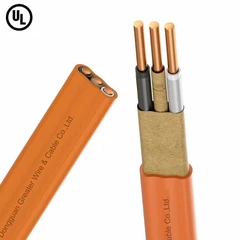
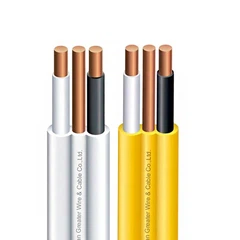
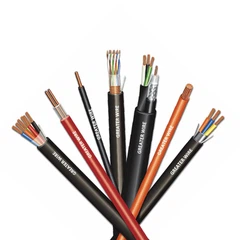
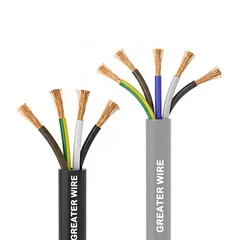
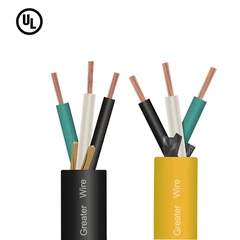
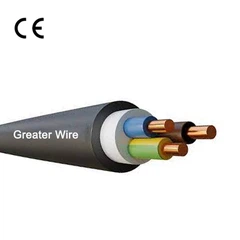
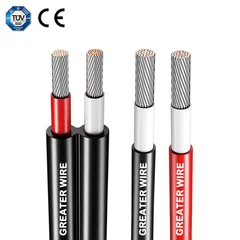

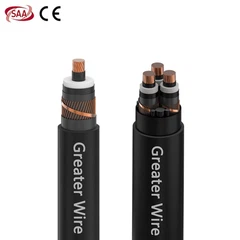
Parallel overhead lines are a type of cable widely used in medium and low voltage power transmission. Their weather resistance design is directly related to the stability and reliability of the power system. This article will explore the weather resistance design of Australian standard parallel overhead lines and how these designs affect power transmission, especially for specific applications of voltage levels such as 0.6/1kV, 6/10kV, and 35kV and their impact on power transmission.


1. Basic definition and application of parallel overhead lines
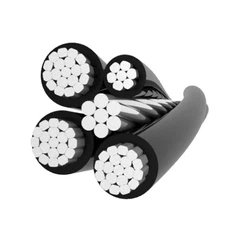
As the name suggests, parallel overhead lines are cables composed of multiple parallel conductors, mainly used for overhead transmission of medium and low voltage power. Compared with traditional single-core or multi-core overhead cables, parallel overhead lines have higher load capacity, better mechanical strength and more reliable performance. In Australia's power system, parallel overhead lines are widely used in urban and rural power distribution, industrial power supply, and remote power transmission. In particular, in transmission lines with voltage levels of 0.6/1kV, 6/10kV, and 35kV, parallel overhead lines are widely used as core cables.

2. Impact of climatic conditions on power transmission systems
Australia's geographical environment is vast and diverse, with climate types including tropical, subtropical, temperate, etc., and due to the influence of geographical location and climate change, Australia's power transmission system faces environmental challenges to varying degrees. Common climatic factors include:
High temperature weather: In tropical and subtropical regions, the frequent occurrence of extreme high temperature weather puts higher demands on power transmission lines. High temperature not only causes aging of cable insulation materials, but may also cause overheating of conductors, affecting the transmission efficiency of electricity.
Ultraviolet radiation: Australia has high sunlight radiation intensity, especially in summer, and the intensity of ultraviolet rays can damage the insulation layer of the cable. Long-term ultraviolet radiation can make the insulation layer of the cable brittle, resulting in interruption or failure of power transmission.
Strong winds and extreme weather: Some parts of Australia often face strong winds and extreme weather events, such as sandstorms and storms. These natural disasters may cause damage to overhead cables or breakage of conductors, and even affect the stable supply of electricity.
Moisture and corrosion: In coastal areas, the presence of humid air and corrosive substances such as salt spray makes the metal parts of overhead lines more susceptible to corrosion, affecting the service life of cables.
Fire risk: Especially in the dry season, there is a high risk of fire in some parts of Australia. Fires can not only damage power facilities, but also cause large-scale power outages.

3. Weather resistance design of parallel overhead lines
In order to cope with these extreme climatic conditions, Australia's parallel overhead lines adopt a number of special designs to enhance their adaptability in various harsh environments. The following are several key aspects of the weather resistance design of parallel overhead lines:
3.1 High temperature resistant design
In high temperature environments, the insulation materials and conductors of the cables will be affected, which may lead to reduced power transmission efficiency or even failure. To solve this problem, Australia's parallel overhead lines usually use **cross-linked polyethylene (XLPE) or polyvinyl chloride (PVC)** and other high temperature and aging resistant insulation materials. These materials have good thermal stability and can maintain their electrical properties at higher ambient temperatures to ensure the stability of power transmission.
For the conductor part in high temperature environment, copper or aluminum alloy materials are often used. These conductors have low resistivity and can effectively reduce the power loss caused by conductor overheating. In high temperature areas, parallel overhead lines usually use larger conductor cross-sections to improve the current carrying capacity and heat dissipation performance of the cable.
3.2 UV protection design
Ultraviolet rays are one of the important factors affecting the durability of parallel overhead lines. For this reason, Australia's parallel overhead lines usually add UV stabilizers to the outer layer, such as adding **Carbon Black** and other anti-ultraviolet materials to the outer insulation material. These materials can effectively resist the damage of ultraviolet rays and extend the service life of the cable.
In addition, the use of high-strength polyethylene (PE) outer sheath can greatly enhance the resistance of the cable surface to ultraviolet rays. This design not only improves the weather resistance of the cable, but also maintains the flexibility and mechanical strength of the cable, avoiding surface cracks and aging of the insulation layer caused by ultraviolet radiation.
3.3 Corrosion-resistant and moisture-proof design
In coastal areas or areas with heavy humidity, the metal parts of parallel overhead lines are susceptible to corrosion, so galvanized steel or aluminum alloy is usually used as the conductor material to increase its corrosion resistance. In addition, the outer sheath of the cable will also increase the waterproof performance to prevent moisture from penetrating into the cable.
In order to further improve the corrosion resistance, some cables adopt a multi-layer structure design, wrapping a layer of anti-corrosion coating or paint on the outside of the conductor, which can effectively prevent corrosive substances such as salt spray from corroding the metal surface.
3.4 Strong wind and extreme weather protection design
In response to strong winds and extreme weather, Australia's parallel overhead lines adopt an enhanced structure, such as using a stronger steel wire reinforcement layer or steel stranded wire. This structure not only improves the mechanical strength of the cable, but also effectively reduces the risk of swaying and damage to the cable in strong winds and heavy rains.
In some special areas, such as mountains and coastal wind outlets, cable design will also consider strengthening the wind resistance of cables to prevent cables from breaking or falling due to excessive wind.
3.5 Fire safety design
In order to cope with fire risks, Australia's parallel overhead lines have made corresponding protection in fire safety design. The use of low-smoke halogen-free materials as insulation layers can reduce the release of harmful gases when a fire occurs. At the same time, the design of the conductor also fully considers the thermal stability at high temperatures, which can prevent overheating and cable combustion when a fire occurs.

4. The impact of weather resistance design on power transmission
4.1 Improving the stability and safety of power transmission
Weather resistance design can effectively improve the stability of the power system and ensure that power can still be transmitted stably under extreme climatic conditions. For example, in areas with high temperatures and strong ultraviolet radiation, high temperature and ultraviolet resistance designs can prevent the aging of cable insulation layers, thereby reducing the occurrence of power failures.
4.2 Reduce maintenance costs
Weather resistance design can extend the service life of cables and reduce damage and failures caused by climatic factors. In this way, power companies can reduce the frequency of repairing and replacing cables, thereby reducing maintenance costs.
4.3 Improve system reliability
In Australia's power system, many parallel overhead lines are exposed to harsh environmental conditions. Through reasonable weather-resistant design, parallel overhead lines can better adapt to these environments and ensure the continuity and stability of power transmission. For example, in windy or fire-risk areas, through reinforced design, cables can effectively avoid power outages caused by wind or fire, ensuring continuous power supply.