


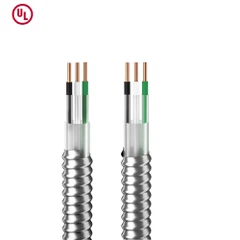
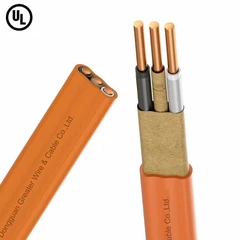
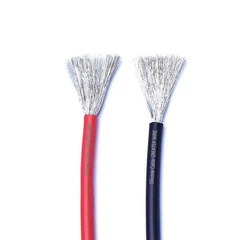
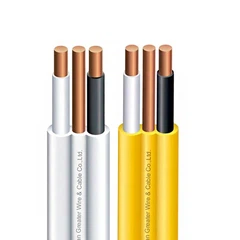
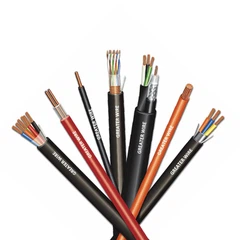
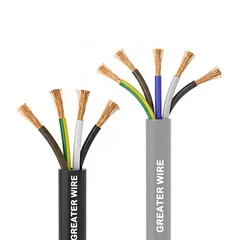
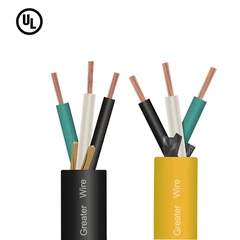
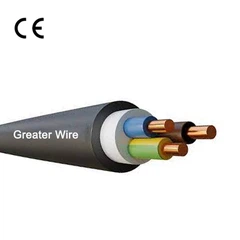
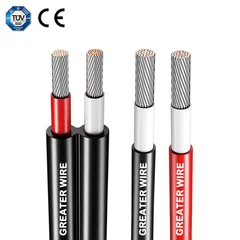

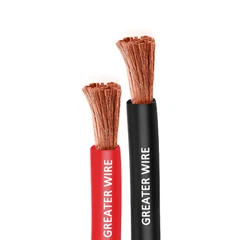
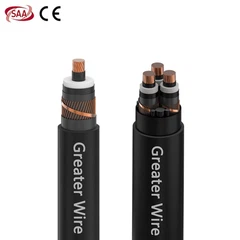
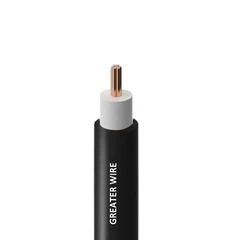
With the popularity of smart home systems in Australia, more and more families choose to install smart devices such as smart bulbs, smart sockets, smart thermostats and automation control systems. These devices require the power supply system to be highly reliable, flexible and safe. Therefore, in the electrical installation of smart home systems, it becomes crucial to choose the right wires and cables. TPS wires (thermoplastic sheathed cables) are widely used in Australia's electrical systems due to their excellent performance. This article will explore whether 1.5 mm TPS wires, TPS 2.5 mm wires and 2.5 mm 2C E TPS wires meet the access standards of smart home systems and analyze their applicability.

1. What is TPS wire?
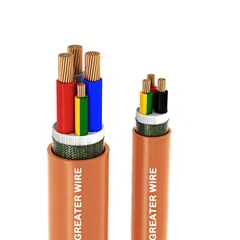
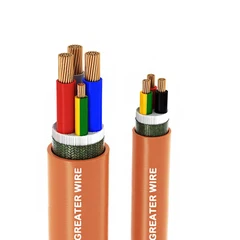
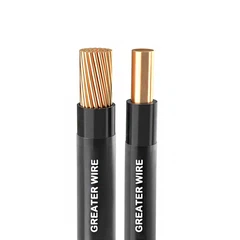
TPS wire is a cable with thermoplastic PVC material as the outer sheath, which is widely used in electrical wiring in residential and commercial buildings. TPS cable usually consists of two parts:
Conductor: Mainly copper or aluminum conductors are used to transmit current.
Outer sheath: The outer sheath is made of thermoplastic PVC material, which has good insulation, corrosion resistance and water resistance.
In smart home systems, the selection of cables must not only meet electrical requirements, but also take into account the load and safety of home equipment. Therefore, the quality, specification and suitability of TPS cables have become important factors in choosing electrical wiring.

2. Types of TPS wires and their suitability
In Australia, common TPS cable specifications include 1.5 mm TPS wires, 2.5 mm TPS wires and 2.5 mm 2C E TPS wires, and their applications in smart home systems are also different.
1.5 mm TPS wires
1.5 mm TPS wires are a smaller specification cable that is commonly used for low-power electrical devices and lighting circuits. Its application in smart home systems is mainly concentrated in the following aspects:
Smart lighting: Many smart home systems include the installation of smart lamps, especially lighting systems in residential buildings. Since most smart lamps have low power, 1.5 mm TPS wires are fully capable of meeting the needs. This wire is often used to connect low-power appliances, such as LED lamps, sensors, and small smart home devices.
Small smart appliances: Smart sockets and household appliances (such as smart sockets, smart refrigerators, etc.) may also be connected using 1.5 mm cables. Although the power of these appliances is usually not large, 1.5 mm wires can meet daily needs.
The advantage of 1.5 mm TPS cable is its flexibility and ability to be used for low-power loads. It is used as a regular cable in smart home systems and can provide sufficient electrical support. Due to its smaller conductor cross-sectional area, it can be installed more easily through narrow spaces such as walls or distribution boxes, suitable for the access of a variety of smart lighting or low-power devices.
2.5 mm TPS wire
2.5 mm TPS wire is a more common cable specification with a higher current carrying capacity (usually 10 amps). In smart home systems, the application of 2.5 mm TPS cable is very extensive, especially in devices that require greater current carrying. Common applications include:
Smart home sockets: In the home, many smart sockets (such as smart switches, control sockets, etc.) require a larger current carrying capacity. 2.5 mm TPS cables are suitable for connecting these devices to ensure that the current can pass safely and stably.
Electric curtains and smart home control systems: These devices have a large current demand, so it is necessary to use 2.5 mm cables to ensure their stable operation.
Large kitchen appliances: Some high-power appliances, such as smart ovens, smart refrigerators, and microwave ovens, usually require 2.5 mm cables for connection. These devices have high power requirements, and 2.5 mm cables can provide sufficient current support.
2.5 mm TPS cables can carry higher currents than 1.5 mm cables, so they are suitable for connecting most smart home devices. In smart home systems, 2.5 mm TPS cables are often used to carry higher power devices and provide higher safety.
2.5 mm 2C E TPS wire
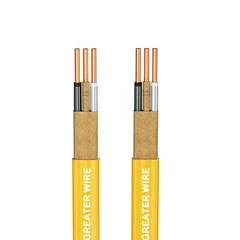
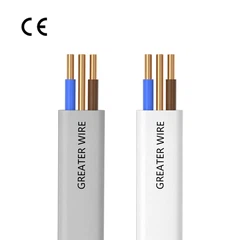
2.5 mm 2C E TPS cables are dual-conductor cables, usually containing two conductors with insulation. This cable is widely used in home electrical installations, especially in smart home systems where dual-core cable connections are required. Its features include:
Dual conductor design: This design makes it ideal for connecting smart sockets, smart lighting systems, and other devices that require dual-core cables (live and neutral).
Suitable for home and commercial use: Due to its strong current carrying capacity, 2.5 mm 2C E TPS cables are often used for devices involving larger loads in smart home systems. It can provide a more stable power supply to ensure the smooth operation of various components of the smart home system.
In general, 2.5 mm 2C E TPS cables are widely used in smart homes, especially in home sockets, smart appliances and lighting systems, and can provide sufficient power support.

3. Does the TPS wire meet the smart home access standards?
In Australia, electrical installations must meet strict safety standards to ensure the safety of residents and families. The access of smart home devices usually requires the cables to have the following basic characteristics:
Current carrying capacity: Different smart devices have different current requirements. In order to ensure the stability and safety of smart home devices, the cables used must be able to carry sufficient current.
Safety: The cables must comply with relevant electrical safety standards such as AS/NZS 3000 (Australian and New Zealand Electrical Installation Standards). These standards require cables to have good insulation, fire resistance and waterproofness.
Compatibility: The cables also need to be compatible with the electrical requirements of the smart home system. Smart home devices usually need to be connected to standard sockets and electrical access points, and the cables should be compatible with these devices.

4. Does the TPS wire meet the standards?
According to the AS/NZS 3000 electrical installation standard, 1.5 mm TPS wire, 2.5 mm TPS wire and 2.5 mm 2C E TPS wire all meet the basic requirements of home electrical installation. These cable types have the following characteristics and meet the smart home access standards:
Current carrying capacity: 2.5 mm TPS cable and 2.5 mm 2C E TPS cable can carry a large current and are suitable for high-power device connections in smart home systems. 1.5 mm TPS cable is suitable for low-power devices and lighting systems.
Fire resistance and insulation performance: All of these cables use thermoplastic PVC outer sheath, which has good fire resistance and insulation performance, meets Australian electrical safety standards, and ensures the safe operation of smart home systems.
Adaptability: These cables have good weather resistance, corrosion resistance and water resistance, adapt to the changes in Australian climate conditions, and are suitable for indoor and outdoor smart home access.