

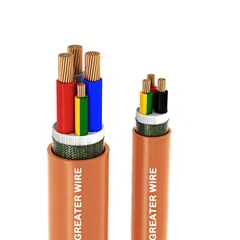
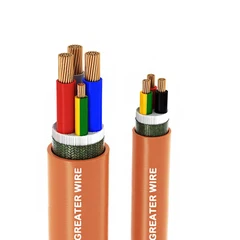

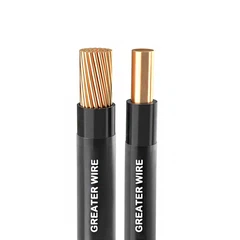
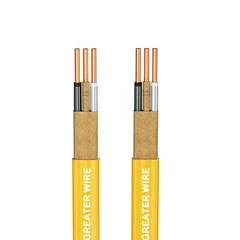
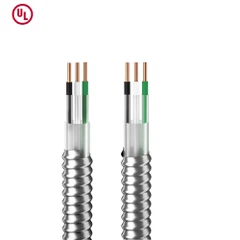
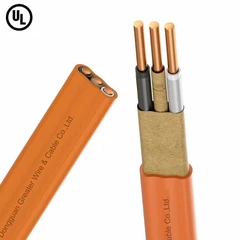
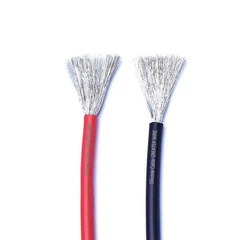
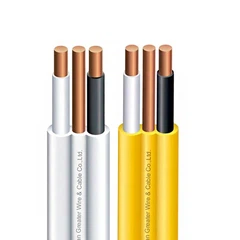
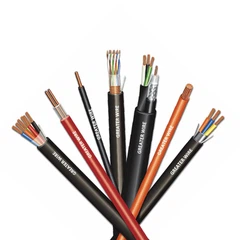
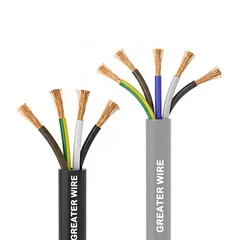
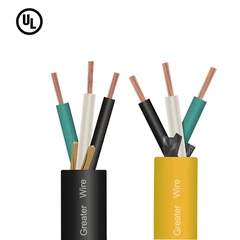
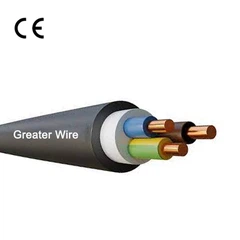
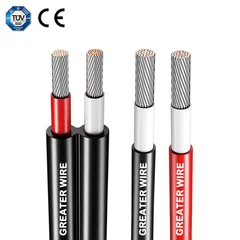

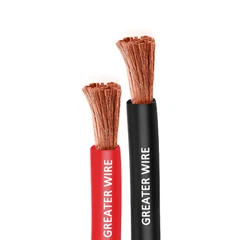
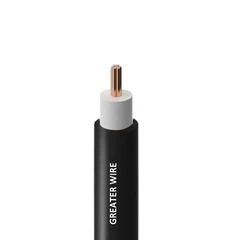
In Australia, TPS wire (thermoplastic sheathed cable) is a very common type of cable in home electrical systems. It is widely used in the installation of household appliances, lighting, sockets and other electrical systems due to its excellent insulation performance, durability and relatively low cost. This article will focus on several types of TPS wires commonly used in Australian home electrical systems, especially 1.5 mm TPS wire, TPS 2.5 mm wire and 2.5 mm 2C E TPS wire, and explore their applicability in different home electrical applications.

1. What is TPS wire?
TPS wire is a common power cable, which is characterized by the use of thermoplastic PVC material (polyvinyl chloride) as the outer sheath material, with good wear resistance, corrosion resistance and heat resistance. In the name of TPS cable, "T" stands for thermoplastic material, "P" stands for PVC outer sheath, and "S" stands for its protectiveness, which makes it widely used in various home electrical equipment.
Common TPS cables include:
Single-core cable: used for low-power lighting, sockets and other equipment.
Two-core cable: used for ordinary electrical connections, generally used for sockets and ordinary electrical equipment.
Multi-core cable: suitable for complex electrical connection systems.
Among them, 1.5 mm TPS cable, 2.5 mm TPS cable and 2.5 mm 2C E TPS cable are the most commonly used types in Australian home electrical systems.

2. 1.5 mm TPS cable
1.5 mm TPS cable is a smaller specification cable, usually used in electrical systems with smaller loads. In Australian home electrical systems, 1.5 mm cable is usually used for:
Lighting circuit: Due to the low power of the lighting system, 1.5 mm cable can fully meet the requirements and is usually used to connect home lighting fixtures.
Low-power electrical appliances: such as TVs, stereos, small kitchen appliances, etc.
1.5 mm TPS cable has the following characteristics:
Scope of application: suitable for electrical systems with low current loads.
Durability: Even in humid environments, the PVC outer sheath of the 1.5 mm cable can provide sufficient protection to prevent moisture, dust and other external environments from invading the cable.
Flexibility: This cable is small in size and easy to bend, making it suitable for installation in small spaces.
Although 1.5 mm TPS cable is widely used in home lighting and low-power appliances, it is not suitable for connecting high-power appliances (such as air conditioners, water heaters, electric furnaces, etc.) because of its limited current carrying capacity.

3. 2.5 mm TPS cable
The 2.5 mm TPS cable is a medium-sized cable that is widely used in many occasions in home electrical systems. Its current carrying capacity is about 10 amperes, which is suitable for electrical equipment and lines with higher current. 2.5 mm TPS cable is usually used for:
Socket circuits: Household sockets usually require higher current carrying capacity, and 2.5 mm TPS cables can provide sufficient safety protection.
Kitchen appliances: Such as refrigerators, microwave ovens, washing machines, etc., these appliances have higher power and require a larger current load.
High-power equipment such as air conditioners and electric water heaters: High-power appliances have higher current requirements, and 2.5 mm cables can effectively support the operation of these devices.
The advantages of 2.5 mm TPS cable include:
Strong carrying capacity: It can carry higher current and is suitable for electrical equipment with larger loads.
Various uses: It is suitable for a variety of uses in the home, including high-power appliances such as kitchen equipment and air conditioners.
Easy installation: Although the specifications are larger, it still has good flexibility and is convenient for construction and installation.
In general, 2.5 mm TPS cable is one of the most commonly used cables in home electrical systems, especially for equipment and lines that require higher current carrying capacity.

4. 2.5 mm 2C E TPS cable
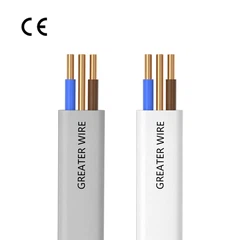
2.5 mm 2C E TPS cable is a cable with two conductors, which contains two insulated wires and a common outer sheath. The application range of this cable is similar to that of 2.5 mm TPS cable, but due to its dual-conductor structure, it is often used in electrical connection systems that require two wires (i.e., live wire and neutral wire).
2.5 mm 2C E TPS cable is commonly used for:
Home socket circuits: Common home sockets require cables with live and neutral wires. 2.5 mm 2C E TPS cable provides this dual-core structure and is suitable for most home sockets.
Appliance access: Used to connect appliances to the power grid and support higher current loads.
Lighting circuits: Used for lighting systems with two-conductor configurations.
Compared with other cables, 2.5 mm 2C E TPS cable has the following advantages:
Dual conductor design: Provides more flexible electrical connections and is suitable for circuits that require dual-core cables.
Durability: The PVC outer sheath of the cable can effectively prevent damage to the cable from the external environment and maintain good performance in humid or slightly harsh environments.
Flexibility: Compared with other types of cables, 2.5 mm 2C E TPS cable still maintains good bending properties and is suitable for installation in complex or narrow spaces.

5. Selection of TPS wires in home electrical systems
Choosing the right type of TPS wire is essential for the safety and stability of home electrical systems. In Australia, different electrical applications require different types of cables to meet their current carrying and safety requirements. Here are some suggestions on how to choose TPS cables according to your needs:
Low-power devices and lighting: You can choose 1.5 mm TPS cables, which are sufficient to meet the requirements of home lighting and low-power appliances.
General household electrical equipment: such as kitchen appliances, household sockets, etc., you can choose 2.5 mm TPS cables, which can provide higher current carrying capacity and ensure stable operation of the equipment.
Socket and appliance access: If two wires are required (such as live wire and neutral wire), choosing 2.5 mm 2C E TPS cables can provide more flexible electrical connections.
When choosing TPS wires, users should also consider the length of the wires, the installation environment, and whether additional protection measures are required (such as fire protection, waterproofing, etc.).