

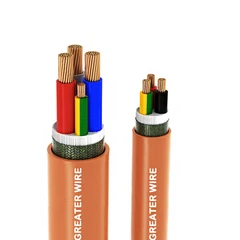
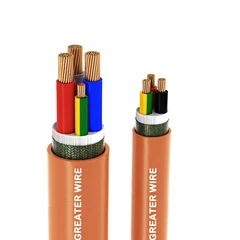

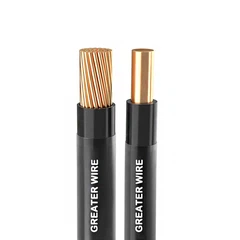
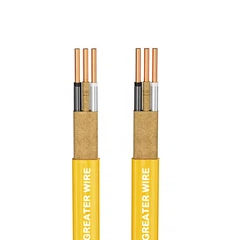
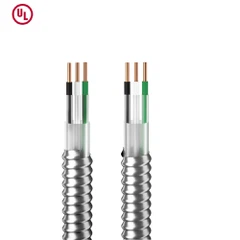
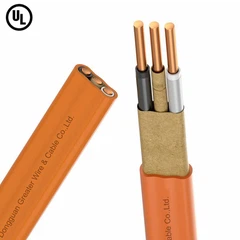
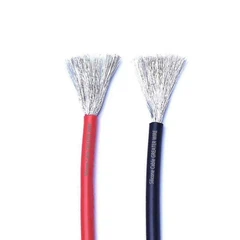
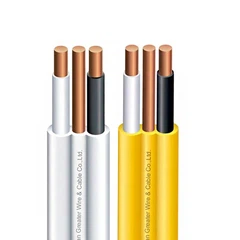
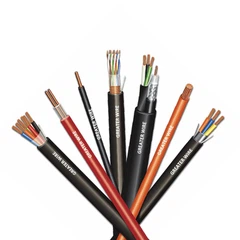
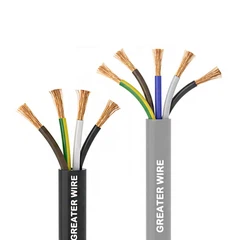
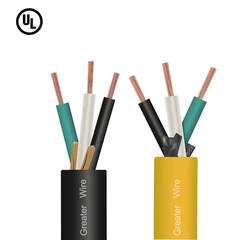
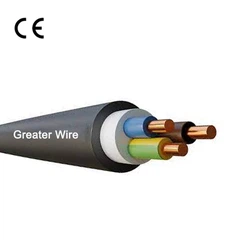
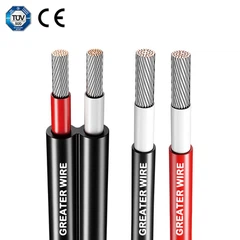

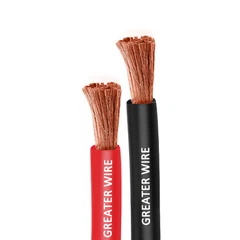
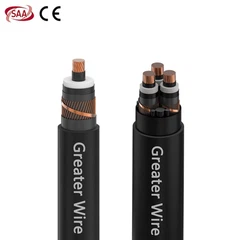
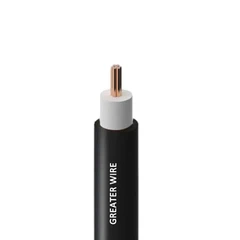
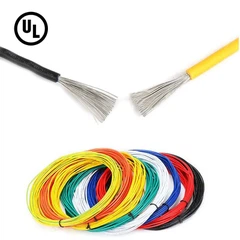
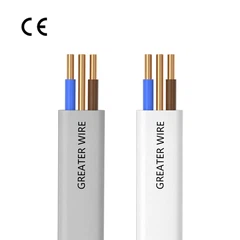
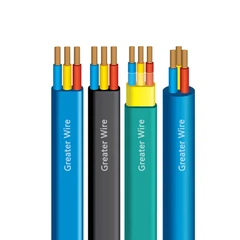
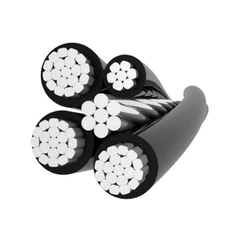
In the power output environment of solar power plants or photovoltaic systems, due to the long-term exposure of wires to sunlight and wind, solar cables need to have high temperature resistance and UV radiation resistance. Due to the rainy weather, solar cables also need to have waterproof and weak acid and alkali resistance. Meanwhile, solar power cables have superior physical properties such as aging resistance and flame retardancy compared to ordinary wires. Normal cable generally refers to home decoration wires, which are usually used indoors without wind or sun exposure, so the general material is ordinary polyvinyl chloride.

Solar DC cables can generally be used as both AC and DC cables, with a rated voltage of AC 0.6-1 KV and DC 1500V. Normal cables are generally only used as AC cables, with a rated voltage of 450v-750V
Due to the need for long-term outdoor work, the conductors of solar cables are more resistant to oxidation than normal cables. Therefore, the conductors of PV cables are tin plated copper conductors, while those of normal cables are pure copper conductors. Tin materials are more resistant to oxidation than copper materials.
Due to the high current of photovoltaic power plants, the specifications of solar cables are generally larger than normal cables when selecting them. The commonly used specifications for photovoltaic cables are: 4mm solar cable, 6mm solar cable, 10mm solar cable, while the commonly used specifications for normal cables are: 1.5mm, 2.4mm, 4MM
