



1. What is XHHW Cable?
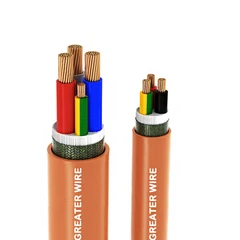
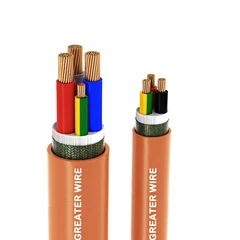
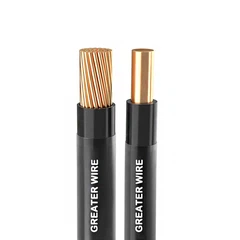
XHHW stands for Cross-Linked Polyethylene (XLPE) High Heat-Resistant and Water-Resistant Wire. This type of cable is widely used in power distribution, machinery, and control circuits due to its robust insulation and adaptability. The "X" denotes cross-linked polyethylene insulation, while "HHW" highlights its high heat and water resistance. XHHW cables are available in both copper and aluminum conductors, with voltage ratings ranging from 600V to 1000V, depending on the specific variant (e.g., XHHW-2 copper 600V or 2AWG XHHW aluminum wire 1000V).
Key Features of XHHW Cable:
Temperature Resistance: Rated for up to 90°C in dry conditions and 75°C in wet environments.
Voltage Ratings: Typically 600V for standard applications, but specialized versions like XHHW-2 or 2AWG aluminum wire can handle up to 1000V.
Flexibility: Suitable for conduit, direct burial, and exposed installations.
2. Abrasion Resistance: Why It Matters
Abrasion resistance refers to a wire's ability to withstand physical wear caused by friction, scraping, or mechanical stress. Wires installed in harsh environments-such as industrial plants, construction sites, or outdoor installations-are particularly vulnerable to abrasion. Poor abrasion resistance can lead to:
Exposed conductors, increasing the risk of short circuits or electrical fires.
Reduced lifespan of the cable.
Costly repairs or replacements.

3. Factors Influencing XHHW Wire's Abrasion Resistance
The abrasion resistance of XHHW cables depends on three primary factors:
A. Insulation Material
XHHW cables use cross-linked polyethylene (XLPE) insulation, which is inherently tougher than PVC or rubber. XLPE's molecular structure provides:
High tensile strength to resist cuts and scratches.
Chemical stability to endure exposure to oils, solvents, and UV radiation.
Thermal endurance, preventing brittleness in extreme temperatures.
B. Jacketing (When Applicable)
While standard XHHW cables rely solely on XLPE insulation, some manufacturers add an outer jacket (e.g., nylon or thermoplastic) for extra protection. Jacketed XHHW cables are ideal for installations where abrasion risks are high, such as in conduit systems with sharp bends.
C. Conductor Material
Copper XHHW-2 (600V): Copper is more ductile than aluminum, making it less prone to cracking under repeated stress. This enhances its abrasion resistance in dynamic applications.
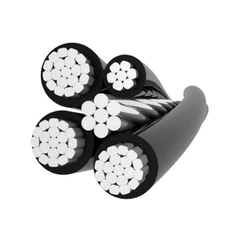
XHHW Aluminum Wire: Aluminum conductors are lighter and cost-effective but may be more susceptible to surface oxidation and mechanical fatigue over time. However, thicker gauges like 2AWG XHHW aluminum wire 1000V compensate with added durability.

4. Comparing Copper vs. Aluminum XHHW Wires
To determine which XHHW variant offers superior abrasion resistance, let's analyze their differences:
| Feature | XHHW-2 Copper 600V | XHHW Aluminum Wire | 2AWG XHHW Aluminum 1000V |
|---|---|---|---|
| Conductor Material | Copper | Aluminum | Aluminum (2AWG) |
| Voltage Rating | 600V | 600V | 1000V |
| Abrasion Resistance | High (ductile, crack-resistant) | Moderate (stiffer, prone to oxidation) | High (thicker gauge improves durability) |
| Cost | Higher | Lower | Moderate |
| Applications | High-stress industrial settings | Budget-friendly fixed installations | High-voltage outdoor projects |
Key Takeaway: Copper XHHW-2 wires generally offer better abrasion resistance due to their flexibility, but thicker aluminum variants like 2AWG XHHW aluminum wire 1000V are a cost-effective alternative for high-voltage projects.

5. Applications Where Abrasion Resistance is Critical
XHHW cables are commonly used in environments where abrasion resistance is non-negotiable:
A. Industrial Machinery
In manufacturing plants, wires are exposed to vibrations, moving parts, and frequent maintenance. The toughness of XHHW-2 copper 600V ensures reliable performance in motor controls and conveyor systems.
B. Outdoor Installations
For direct burial or aerial installations, XHHW aluminum wire must withstand soil friction, weather changes, and animal interference. Jacketed XHHW cables are often recommended here.
C. Commercial Buildings
Conduit systems in commercial buildings involve pulling wires through tight spaces. The smooth XLPE insulation of XHHW cables minimizes friction damage during installation.

6. Enhancing Abrasion Resistance: Best Practices
While XHHW cables are inherently durable, these steps can further mitigate abrasion risks:
Use conduit or cable trays to shield wires from sharp edges.
Opt for jacketed XHHW cables in high-risk areas.
Avoid over-bending during installation to prevent insulation stress.
Regularly inspect cables for signs of wear, especially in dynamic environments.

7. XHHW vs. Other Cable Types: Abrasion Resistance Comparison
How does XHHW stack up against similar cables?
THHN Wire: While THHN has a nylon coating for abrasion resistance, its PVC insulation lacks the thermal stability of XLPE. XHHW is better suited for high-heat environments.
USE-2 Cable: Designed for underground service entrance, USE-2 lacks the versatility of XHHW in conduit or exposed installations.
RHW Wire: RHW shares similar water resistance but is less heat-resistant than XHHW-2.

8. Frequently Asked Questions (FAQ)
Q1: Can XHHW aluminum wire be used outdoors?
Yes, XHHW aluminum wire is water- and UV-resistant, making it suitable for outdoor use. However, ensure proper conduit protection in high-abrasion areas.
Q2: Is XHHW-2 the same as standard XHHW?
No. XHHW-2 has a higher temperature rating (90°C in wet conditions vs. 75°C for standard XHHW) and is often rated for 1000V applications.
Q3: What gauge is best for abrasion-prone environments?
Thicker gauges like 2AWG XHHW aluminum wire 1000V provide better mechanical strength. Pair with conduit for maximum protection.

Dongguan Greater Wire & Cable Co., Ltd., as a leading global manufacturer of wires and cables, is committed to providing high-quality products that meet North American market standards. Our THHN WIRE, TC-ER CABLE, XHHW WIRE, NM-B CABLE, MC CABLE, UF-B CABLE, MTW CABLE have passed UL83, UL44, UL719, UL493, UL62, UL758, UL1569, UL66, UL1063, UL1277 and other UL certifications to ensure product quality, safety and reliability. We have more than 20 years of industry experience, the factory covers an area of 50,000 square meters, and the annual production capacity reaches thousands of tons. With advanced automated production lines and strict quality control systems, we are able to provide highly competitive prices in the industry, helping you reduce procurement costs and improve market competitiveness. Choosing us means choosing a reliable partner! Contact us now to get the best quote!