























1. Performance Characteristics of XHHW Wire
XHHW wire is engineered with cross-linked polyethylene (XLPE) insulation, which provides exceptional resistance to heat, moisture, and chemicals. This insulation material allows the wire to operate efficiently in temperatures up to 90°C (194°F) in dry conditions and 75°C (167°F) in wet environments. Key performance attributes include:
Thermal Stability: XLPE insulation resists degradation even under prolonged exposure to high temperatures, making XHHW wire ideal for industrial settings with heat-generating machinery.
Moisture Resistance: The water-resistant properties of XHHW-2 (a higher-grade variant) enable reliable performance in damp or wet locations, such as underground conduits or outdoor installations.
Chemical and UV Resistance: XHHW wire is resistant to gasoline, oil, and sunlight, ensuring longevity in harsh environments like chemical plants or solar farms.
Flexibility: Despite its rugged construction, XHHW wire remains flexible, simplifying installation in complex configurations.
2. Environmental Conditions Suitable for XHHW Wire
The adaptability of XHHW wire to diverse environmental conditions is one of its greatest strengths. Below are the primary scenarios where XHHW wire excels:
A. High-Temperature Environments
XHHW wire is rated for high-temperature applications, including:
Industrial Facilities: Machinery, transformers, and HVAC systems often generate significant heat. Products like 4/0 XHHW-2 copper wire are designed to maintain conductivity and insulation integrity even at elevated temperatures.
Outdoor Installations: In direct sunlight, the UV-resistant XLPE insulation prevents cracking or brittleness, ensuring long-term reliability.
B. Wet or Damp Locations
The water-resistant properties of XHHW-2 make it suitable for:
Underground Conduits: Moisture ingress is a common challenge in buried cables. 500MCM XHHW aluminum or copper variants mitigate this risk due to their impermeable insulation.
Marine Applications: Coastal areas with high humidity or salt spray require corrosion-resistant wiring, a niche where XHHW excels.
C. Chemically Aggressive Settings
In environments exposed to oils, solvents, or industrial chemicals:
Chemical Plants: The gasoline- and oil-resistant jacket of XHHW wire ensures safe operation even in spill-prone areas.
Automotive Workshops: 2/0 XHHW wire is often used in automotive lifts or diagnostic equipment due to its chemical resilience.
D. Variable Mechanical Stress
XHHW wire's robust construction supports applications with physical wear, such as:
Wind Farms: Constant movement and vibration demand durable cabling like 500MCM XHHW, which combines flexibility with tensile strength.
Construction Sites: Temporary installations benefit from the wire's resistance to abrasion and crushing.
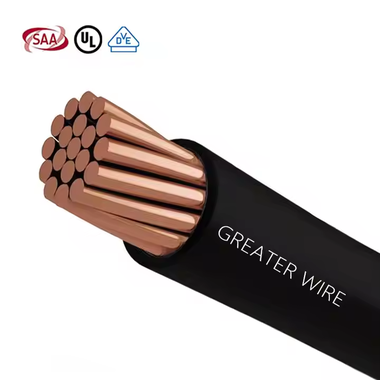
3. Product-Specific Advantages
A. 2/0 XHHW Wire
This mid-sized conductor is ideal for residential and light commercial use. Its balance of current capacity (195A at 75°C) and flexibility makes it suitable for:
Service entrance cables.
Feeders for subpanels.
B. 4/0 XHHW-2 Copper Wire
A heavy-duty option for industrial applications, this wire supports up to 260A and is commonly used in:
Main power distribution panels.
High-load machinery circuits.
C. 500MCM XHHW and XHHW Aluminum
Large-gauge wires like 500MCM XHHW are designed for ultra-high current demands, such as:
Data center power backups.
Renewable energy systems (e.g., solar farms).
Aluminum variants (e.g., 500MCM XHHW aluminum) offer a cost-effective alternative for applications where weight reduction is critical, though they require careful handling to prevent oxidation.

4. Comparative Analysis: Copper vs. Aluminum XHHW Wire
| Property | Copper XHHW | Aluminum XHHW |
|---|---|---|
| Conductivity | Higher (100% IACS) | Lower (61% IACS) |
| Weight | Heavier | Lighter |
| Cost | Higher | Lower |
| Oxidation Resistance | Excellent | Requires anti-oxidant gel |
| Typical Use Cases | Critical power systems | Long-span installations |
While copper offers superior conductivity and durability, aluminum variants like 500MCM XHHW aluminum are preferred for large-scale projects where budget and weight are constraints.

5. Installation Best Practices
To maximize the lifespan of XHHW wire:
Avoid Overloading: Adhere to NEC ampacity tables.
Use Proper Connectors: Aluminum wires require UL-listed connectors to prevent loosening.
Protect from Direct Sunlight: Use conduit in UV-intensive environments.

In the fiercely competitive US cable market, Dongguan Greater Wire & Cable Co., Ltd. stands out. Our production workshop is neat and orderly, and our employees are skilled in operating the equipment, ensuring a stable output of 1.3 million meters of high-quality cables per month. Our products have passed multiple certifications such as UL83 and UL44. For example, NM-B CABLE meets the high US standards in fire and moisture resistance. At the same time, we work directly with raw material suppliers to reduce intermediate links and reduce product prices by 25%, allowing American customers to enjoy high-quality cables at a lower price.