

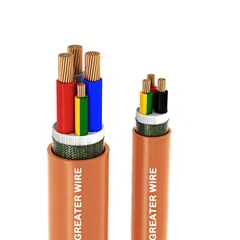
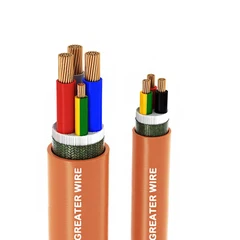


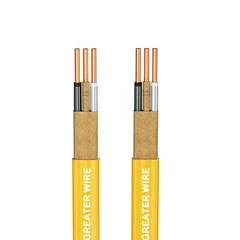
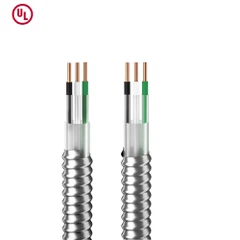

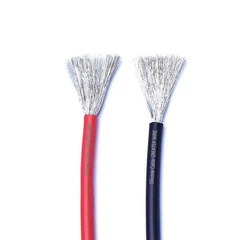

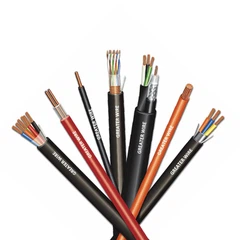
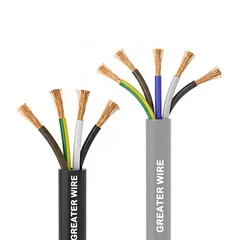
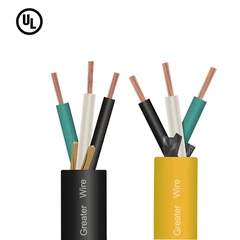
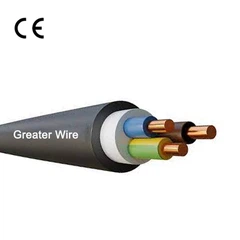
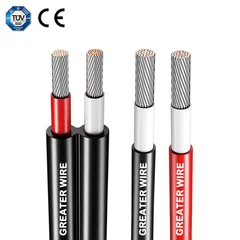


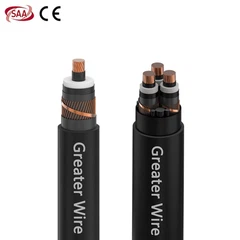
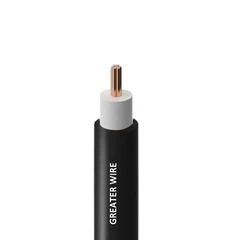
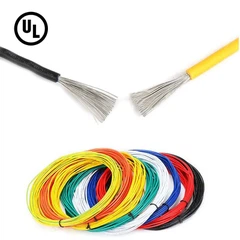
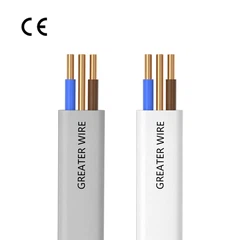
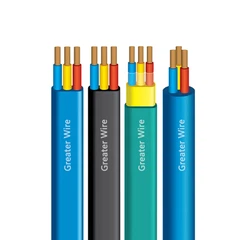
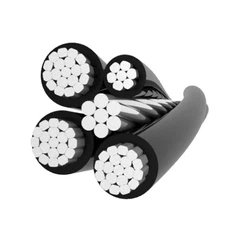
THHN wire, or Thermoplastic High Heat-resistant Nylon-coated wire, is widely recognized for its durability and reliability. However, like any electrical component, THHN wire or wire THHN is susceptible to faults due to environmental conditions, improper installation, or prolonged usage. Effective fault detection and maintenance methods are crucial for ensuring the safety, longevity, and performance of electrical systems. This article explores the common faults, diagnostic techniques, and maintenance practices for THHN wire in various applications.


Common Faults in THHN Wire
Understanding the typical faults that may occur with THHN wire is essential for identifying and resolving issues efficiently.
1. Insulation Damage
Causes:
Abrasion during installation.
Excessive bending or pulling force.
Chemical exposure or UV degradation in outdoor settings.
Consequences:
Increased risk of short circuits.
Reduced dielectric strength.
2. Overheating
Causes:
Excessive current exceeding the wire's ampacity.
Poor ventilation around conduits.
Improper de-rating in high-temperature environments.
Consequences:
Degradation of PVC insulation and nylon coating.
Potential fire hazards.
3. Corrosion
Causes:
Exposure to moisture or corrosive chemicals.
Poorly sealed connections.
Consequences:
Increased resistance and heat generation.
Potential failure of electrical circuits.
4. Conductor Breakage
Causes:
Repeated mechanical stress or vibration.
Manufacturing defects or improper installation.
Consequences:
Loss of electrical continuity.
5. Loose or Faulty Connections
Causes:
Inadequate tightening of terminal screws.
Oxidation of connectors.
Consequences:
Arcing and intermittent power delivery.

Fault Detection Methods for THHN Wire
Efficient fault detection involves using specialized tools and techniques to identify issues without causing additional damage.
1. Visual Inspection
Procedure:
Examine the entire length of the THHN wire for visible signs of wear, such as cuts, cracks, discoloration, or melted insulation.
Applications:
Quick identification of physical damage during routine maintenance.
2. Multimeter Testing
Procedure:
Use a multimeter to measure continuity, resistance, and voltage levels in the circuit.
Check for unexpected resistance or breaks in continuity.
Applications:
Detecting open circuits, short circuits, and resistance inconsistencies.
3. Insulation Resistance Testing
Procedure:
Use a megohmmeter to apply a high voltage to the wire and measure the resistance between the conductor and the insulation.
Applications:
Identifying insulation degradation and potential leakage currents.
4. Thermal Imaging
Procedure:
Use an infrared camera to detect hotspots along the THHN wire or at connection points.
Applications:
Identifying overheating due to excessive current, loose connections, or insulation failure.
5. Cable Fault Locators
Procedure:
Utilize time-domain reflectometry (TDR) or similar techniques to locate the exact position of faults in underground or inaccessible wires.
Applications:
Pinpointing faults in long or hidden THHN wire installations.
6. Voltage Drop Testing
Procedure:
Measure the voltage at different points along the wire and compare it with expected values.
Applications:
Identifying excessive resistance or conductor breakage.

Maintenance Methods for THHN Wire
Regular maintenance can prevent faults and extend the life of THHN wire in electrical systems.
1. Routine Inspections
Frequency:
Inspect wiring systems every 6-12 months or as per industry standards.
Tasks:
Check for physical damage, loose connections, and signs of overheating.
2. Cleaning Connections
Procedure:
Clean terminals and connectors using an appropriate contact cleaner.
Remove any oxidation or debris that could interfere with conductivity.
3. Retightening Connections
Procedure:
Periodically tighten terminal screws to prevent loosening due to vibration or thermal expansion.
4. Replacement of Damaged Sections
Procedure:
Identify and replace any THHN wire segments with compromised insulation or conductors.
Use heat-shrink tubing or electrical tape to protect splices.
5. Proper Storage and Handling
Guidelines:
Store THHN wire in a cool, dry place to prevent premature aging of the insulation.
Avoid excessive bending or twisting during installation.
6. Conduit Maintenance
Procedure:
Inspect conduits for corrosion, debris, or water ingress.
Replace damaged conduit sections to maintain proper wire protection.
7. Use of Protective Coatings
Procedure:
Apply additional protective coatings or sealants to connections in corrosive or outdoor environments.

Best Practices for THHN Wire Maintenance
Adhere to Manufacturer Guidelines
Follow the recommended voltage, temperature, and current ratings for THHN wire.
Ensure Proper De-rating
Account for temperature variations and conduit fill when calculating the wire's ampacity.
Label and Document Wiring
Clearly label THHN wires and maintain an up-to-date wiring diagram for easy troubleshooting.
Schedule Preventive Maintenance
Implement a preventive maintenance schedule to address potential issues before they escalate.

Applications of Fault Detection and Maintenance
Residential Applications
Routine inspections of wiring in homes ensure safe and reliable power delivery.
Commercial Applications
Fault detection and maintenance prevent downtime and ensure compliance with safety regulations.
Industrial Applications
Regular maintenance of THHN wires in machinery and control systems enhances efficiency and reduces repair costs.