























THHN wire, or Thermoplastic High Heat-resistant Nylon-coated wire, is a widely used electrical conductor in various applications. Its durability and resistance to extreme conditions make it a preferred choice in both high and low-temperature environments. However, understanding how THHN wire, or wire THHN, performs under such conditions is essential for ensuring safety, efficiency, and longevity in electrical installations. This article explores the temperature ratings, performance characteristics, and practical considerations of THHN wire in extreme environments.
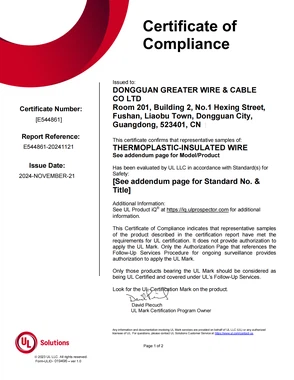
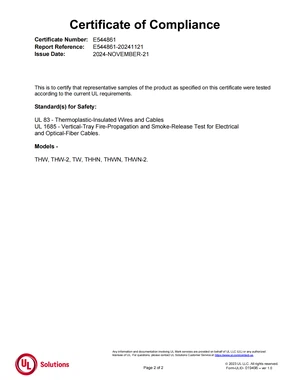
Construction and Temperature Ratings of THHN Wire
To understand how THHN wire handles temperature variations, it's important to review its construction and ratings:
Conductor:
Typically made of copper or aluminum, ensuring excellent electrical conductivity.
Thermoplastic Insulation:
Made of polyvinyl chloride (PVC), offering heat resistance and electrical insulation.
Nylon Coating:
Provides additional protection against abrasion, chemicals, and environmental factors.
Temperature Ratings:
Dry Locations: THHN wire is rated to operate at temperatures up to 90°C (194°F).
Damp Locations: It can handle temperatures up to 75°C (167°F).
Low-Temperature Limits: Typically rated for installation down to -10°C (14°F), depending on the manufacturer.
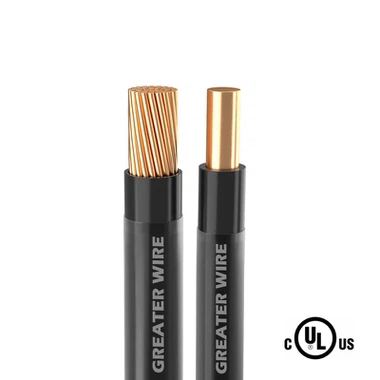
Performance of THHN Wire in High-Temperature Environments
1. Heat Resistance
The thermoplastic insulation and nylon coating of THHN wire are specifically designed to withstand high temperatures.
Durability:
At temperatures up to 90°C in dry locations, the insulation remains intact, preventing degradation.
The nylon coating ensures added protection, even in environments with fluctuating temperatures.
Electrical Efficiency:
Elevated temperatures can cause increased electrical resistance. However, THHN wire is engineered to minimize resistance within its rated temperature range, ensuring efficient power transmission.
2. Applications in High-Temperature Settings
Industrial Environments:
Machinery and equipment that generate significant heat often use THHN wire for power connections.
HVAC Systems:
THHN wire is ideal for wiring components in heating and cooling systems.
Commercial Kitchens:
The wire's heat resistance makes it suitable for wiring in areas exposed to high heat, such as ovens and grills.
3. Precautions for High Temperatures
De-rating Factors:
High ambient temperatures can reduce the wire's ampacity. Electrical codes often require de-rating calculations to ensure safe operation.
Protective Measures:
Use conduits and proper insulation to shield wires from direct exposure to extreme heat sources.

Performance of THHN Wire in Low-Temperature Environments
1. Flexibility and Durability
At low temperatures, the performance of THHN wire can be affected by the material properties of its insulation and coating:
PVC Insulation:
Can become rigid and prone to cracking when exposed to extremely low temperatures, especially during installation.
Nylon Coating:
Provides some flexibility but may also become brittle at sub-freezing temperatures.
2. Applications in Cold Settings
Refrigeration Systems:
THHN wire is used in wiring systems for freezers and cold storage facilities.
Outdoor Installations:
Suitable for wiring in damp but protected outdoor environments where temperatures may drop significantly.
3. Precautions for Low Temperatures
Pre-installation Handling:
Avoid bending or pulling THHN wire excessively in freezing conditions to prevent insulation damage.
Temperature-Rated Alternatives:
For extremely low temperatures, consider using wires with enhanced low-temperature ratings, such as XHHW-2.
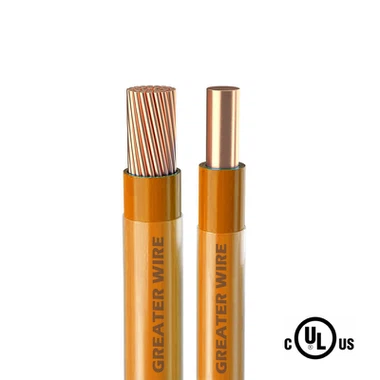
Best Practices for Using THHN Wire in Extreme Temperatures
Understand Ambient Conditions
Measure the expected ambient temperature of the installation site and compare it with the wire's temperature ratings.
De-rating Calculations
Refer to the National Electrical Code (NEC) for de-rating requirements in high or low-temperature environments.
Conduit Protection
Install THHN wire in conduits to shield it from direct exposure to extreme temperatures, sunlight, or other environmental factors.
Use Proper Tools
Use wire-pulling lubricants to reduce friction during installation, especially in cold environments where the insulation may be less flexible.
Select the Correct Wire Gauge
Higher temperatures can increase resistance, so choosing the appropriate wire gauge is crucial to avoid overheating.
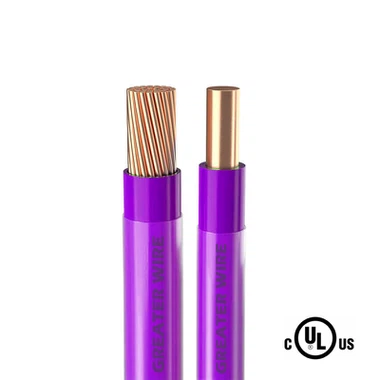
Advantages of THHN Wire in Extreme Environments
1. High Heat Tolerance
The 90°C rating in dry environments makes THHN wire suitable for a wide range of applications.
2. Abrasion Resistance
The nylon coating ensures that the wire remains protected during installation and operation, even in challenging conditions.
3. Versatility
THHN wire can be used in both high and low-temperature environments with proper precautions.
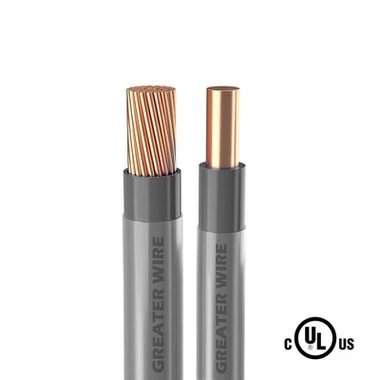
Limitations of THHN Wire in Extreme Temperatures
Brittle Insulation in Freezing Conditions
The PVC insulation may crack if mishandled in extremely cold environments.
Reduced Ampacity in High Temperatures
Prolonged exposure to high temperatures requires careful de-rating to prevent overheating.
Not Ideal for Wet Environments
While resistant to dampness, THHN wire is not rated for continuous use in wet environments unless marked as THWN-2.
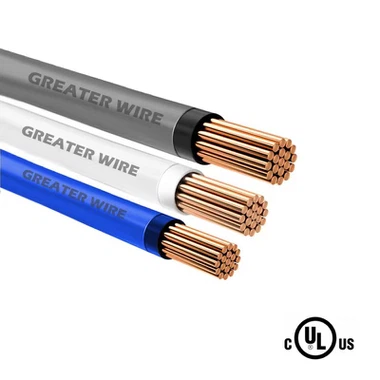
Alternative Wire Types for Extreme Conditions
If the installation site presents conditions beyond the capabilities of THHN wire, consider these alternatives:
XHHW-2 Wire
Superior low-temperature flexibility and high-temperature performance, making it ideal for harsh environments.
THWN-2 Wire
Suitable for both wet and dry environments, with temperature ratings up to 90°C in all conditions.
MTW Wire (Machine Tool Wire)
Designed for high flexibility and resistance to oil, moisture, and heat, often used in industrial settings.