

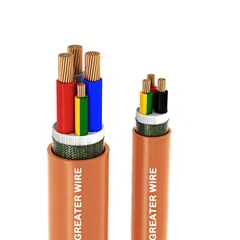
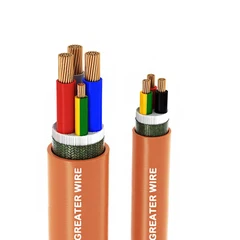

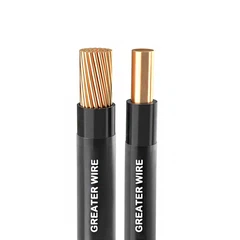
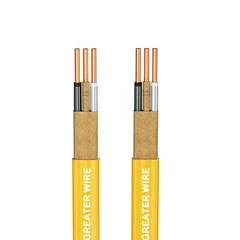
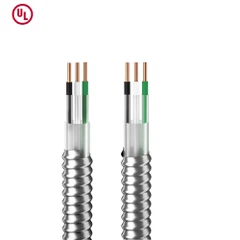
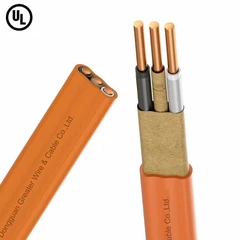
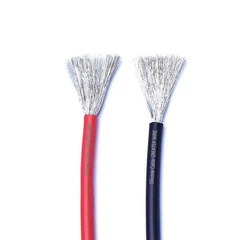
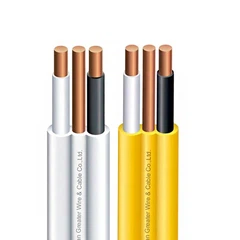
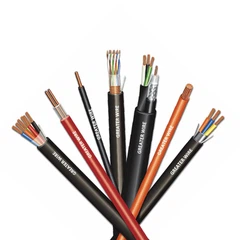
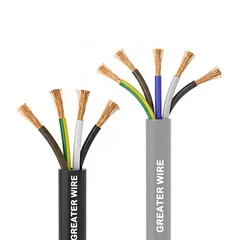
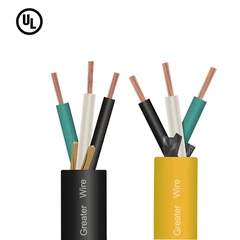
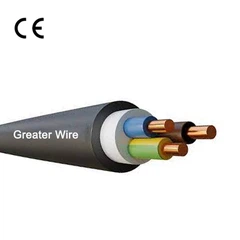
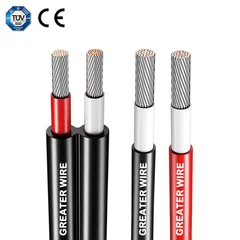

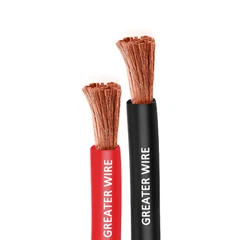
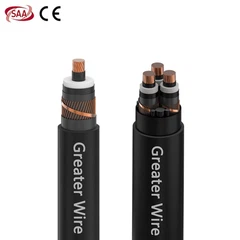
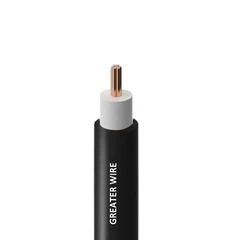
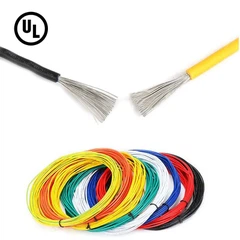
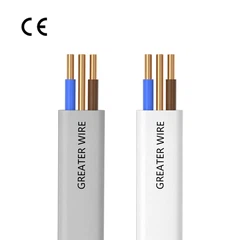
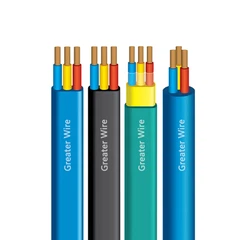
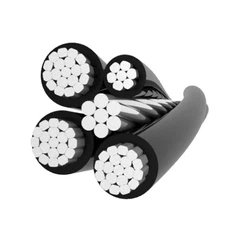
TFFN cable (Thermoplastic Flexible Nylon Cable) is a type of cable widely used in a variety of electrical applications. Due to its excellent electrical properties, mechanical strength and high temperature resistance, TFFN cable is widely used in household appliances, industrial equipment, building electrical systems and other fields. This article will explore the fire resistance and heat resistance of TFFN cable in depth and analyze how these properties play a key role in practical applications.
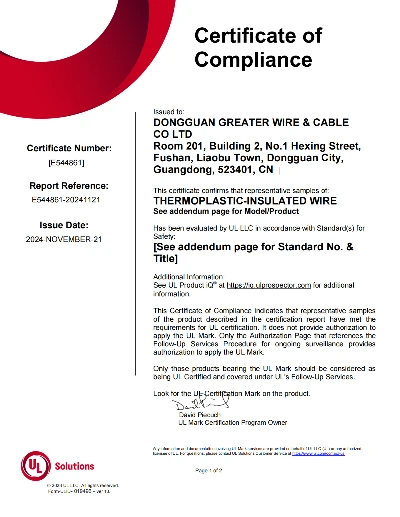

1. Definition and construction of TFFN cable
TFFN cable consists of conductor, insulation layer and outer sheath, and uses thermoplastic nylon (polyamide) as the insulation material. Its conductor is generally made of oxygen-free copper or tinned copper. The excellent electrical properties of these materials enable TFFN cable to provide stable current transmission in various electrical connections. The outer insulation layer of the cable is made of thermoplastic nylon, which not only has good wear resistance and flexibility, but also provides good high temperature and chemical corrosion resistance.
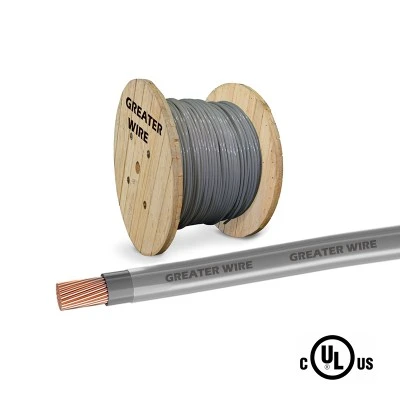
2. Fire resistance of TFFN cable
Fire resistance refers to the ability of the cable to withstand flames without burning or to continue to maintain power supply after a fire or high temperature environment. For TFFN cables, fire resistance is very important, especially in some high-risk areas such as industrial plants, building electrical and public facilities.
2.1 Fire resistance standards of TFFN cables
TFFN cables generally meet some international and national fire resistance standards. For example:
UL 1581: This is a US standard that specifies the fire resistance of cables. TFFN cables usually meet this standard, can withstand short-term high temperature exposure, and can effectively prevent the spread of fire when a fire occurs.
NFPA 70 (NEC): The US National Electrical Code requires that all electrical cables must have fire resistance under certain conditions. TFFN cables usually meet these requirements and can maintain certain electrical performance in the event of a fire.
IEC 60332: This is an International Electrotechnical Commission standard that specifically specifies the combustion performance of cables. TFFN cables can usually meet such requirements and can maintain electrical supply for a longer period of time in a fire.
2.2 Fire resistance characteristics of TFFN cables
The fire resistance of TFFN cables is mainly related to the material of its outer sheath and the overall structure of the cable. Nylon, as the outer sheath material, may melt or degrade at high temperatures, but it can usually withstand certain flame exposure for a short period of time. Nylon material itself has certain flame retardant properties, which means that in a fire, TFFN cables are not easy to burn and can reduce the risk of fire spreading. Although nylon itself cannot completely stop the flame, in the design, manufacturers of TFFN cables usually use other flame retardant materials to further improve the fire resistance of the cable.
2.3 Limitations of the use of TFFN cables
Although TFFN cables have certain fire resistance, they are not suitable for long-term exposure in high-temperature fire environments. Under high temperature conditions, the cable may be damaged. Therefore, for long-term use in a fire environment, the use of TFFN cables needs to follow relevant safety regulations, and cables specially designed for high fire resistance (such as fire-resistant cables or mineral insulated cables) should usually be selected.
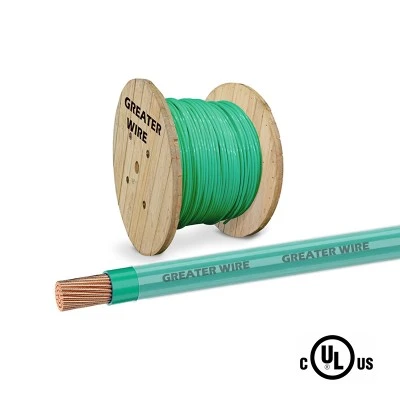
3. Heat resistance of TFFN cables
Heat resistance refers to the ability of cables to withstand high temperature environments without physical or chemical performance degradation. The heat resistance of TFFN cables is usually a key factor in its material selection and manufacturing process, which determines its service life and reliability in various working environments.
3.1 Operating temperature range of TFFN cables
The operating temperature range of TFFN cables is an important parameter for their heat resistance. The operating temperature range of most TFFN cables is usually:
Minimum operating temperature: -20°C. TFFN cables can maintain good performance even in low temperature environments and are suitable for electrical applications in cold areas or low temperature environments.
Maximum operating temperature: 90°C. The insulation material (thermoplastic nylon) of TFFN cables can work for a long time in high temperature environments, ensuring that the cables can continue to operate under high temperature loads.
For some special versions of TFFN cables, their heat resistance can reach 120°C, and they can even withstand higher temperatures in the short term. However, long-term exposure to environments exceeding these temperature limits can cause aging of the cable's insulation material, performance degradation, and even short circuits or electrical failures.
3.2 Factors affecting the heat resistance of TFFN cables
The heat resistance of TFFN cables is affected by multiple factors, mainly including the following aspects:
Conductor material: TFFN cables usually use oxygen-free copper (OFC) as conductors. Copper has good conductivity, which can effectively reduce current loss in the cable and avoid excessive heat generation.
Insulation material: Thermoplastic nylon (polyamide), as the main insulation material of TFFN cables, has high heat resistance and can work at higher temperatures. The heat resistance of nylon materials can usually vary between 90°C and 120°C.
Current load: The greater the current transmitted by the cable, the more heat is generated, so the size of the load current will also directly affect the temperature rise and heat resistance of the cable. Overload current will cause the cable temperature to rise and even cause damage to the insulation layer.
3.3 Application of TFFN cables in high temperature environments
Due to its good heat resistance, TFFN cables are suitable for some high temperature environments, such as industrial electrical equipment, household appliances and automation equipment. In these environments, TFFN cables can work stably to ensure the normal operation of the equipment. However, in extremely high temperature environments, such as high-temperature furnaces and boilers, TFFN cables may require additional protection measures or choose other cable types with better heat resistance.

4. Comprehensive analysis of fire resistance and heat resistance of TFFN cables
The fire resistance and heat resistance of TFFN cables are crucial characteristics in practical applications. Although it has certain fire resistance and heat resistance, it should be comprehensively considered according to different usage environments when selecting. Fire resistance determines whether TFFN cables can continue to work in a fire, while heat resistance determines the working stability of the cable under high temperature load. When selecting TFFN cables, users should consider factors such as the maximum temperature of their working environment, possible fire risks, and the rated voltage of the cable to ensure the long-term stability and safety of the cable.
4.1 Applicable scenarios
The fire resistance and heat resistance of TFFN cables make them very suitable for:
Industrial equipment: In high-temperature and frequently operated equipment, TFFN cables can maintain stable operation for a long time.
Home appliance industry: Since the electrical components in home appliances often need to work in high temperature environments, TFFN cables can provide the necessary high temperature protection.
Building electrical: In building electrical systems, TFFN cables can withstand normal operating temperature changes and are suitable for general power wiring and signal transmission.
4.2 Inapplicable scenarios
TFFN cables are not suitable for all extreme high temperature or fire environments. For example, in very high temperature industrial environments or fire situations, you may need to choose other types of cables, such as mineral insulated cables or other specially designed fire-resistant cables.