























I. Understanding the SAA Certification
A. Definition and Role of SAA
SAA is an independent, not - for - profit organization that plays a crucial role in the development and maintenance of standards in Australia. It is recognized both nationally and internationally for its work in setting benchmarks for a wide range of products, including electrical goods. The SAA certification serves as a mark of compliance with Australian and New Zealand standards, ensuring that the product in question, in this case, a power cable, meets the required safety, performance, and quality criteria.
B. The Significance of Certification in the Electrical Industry
In the electrical industry, safety is of utmost importance. Faulty power cables can lead to electrical hazards such as short - circuits, electrical shocks, and even fires. The SAA certification acts as a safeguard, providing assurance to consumers, businesses, and regulatory bodies that the power cable has been tested and verified to meet the necessary safety and quality standards. It helps in reducing the risk of accidents and promotes the overall reliability of electrical systems.
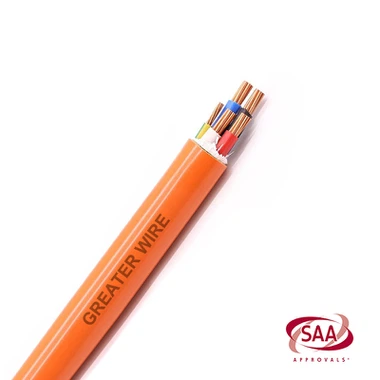
II. Why is SAA Certification Important for Power Cables?
A. Safety Assurance
Protection Against Electrical Hazards
Power cables are the conduits through which electricity flows in various electrical devices and systems. An SAA - certified power cable is designed and tested to prevent electrical leakage, overheating, and short - circuits. For example, the insulation materials used in SAA - certified cables are carefully selected and tested to ensure they can withstand the rated voltage and temperature without breaking down, thus protecting users from the risk of electric shock.
Fire Resistance
In case of an electrical fault, there is a risk of a fire starting due to overheating of the power cable. SAA - certified power cables often have fire - resistant properties. These cables are required to meet specific fire - retardant standards, which means that in the event of a fire, they will not contribute to the spread of the fire or will self - extinguish after the source of ignition is removed.
B. Compliance with Regulations
Australian and New Zealand Market Requirements
In Australia and New Zealand, it is a legal requirement for power cables to be SAA - certified before they can be sold or used in electrical installations. This ensures that all electrical products in the market adhere to a common set of safety and quality standards, protecting consumers and maintaining the integrity of the electrical infrastructure.
International Recognition
Although the SAA certification is primarily for the Australian and New Zealand markets, it is also recognized in many other parts of the world. Having an SAA - certified power cable can give manufacturers a competitive edge when exporting their products, as it demonstrates a commitment to high - quality and safety standards.
C. Quality and Performance
Reliability in Power Transmission
SAA - certified power cables are engineered to provide consistent and reliable power transmission. They have to meet strict performance criteria, such as low resistance, which reduces power loss during transmission. This is crucial for both domestic and industrial applications, where efficient power delivery is essential for the proper functioning of electrical equipment.
Long - Term Durability
The certification process also takes into account the long - term durability of the power cable. Cables are tested for their resistance to environmental factors such as moisture, UV radiation, and physical wear and tear. This ensures that the power cable will maintain its performance and safety characteristics over its expected lifespan.
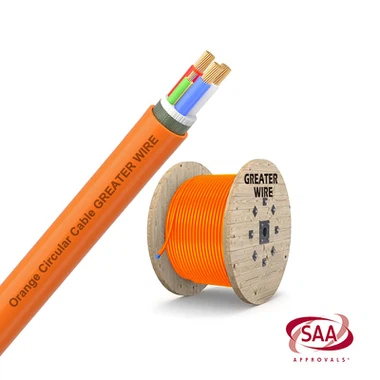
III. The SAA Certification Process for Power Cables
A. Application Submission
Documentation Requirements
Manufacturers interested in obtaining SAA certification for their power cables must first submit a detailed application. This application includes technical documentation about the cable, such as its design specifications, materials used, and manufacturing processes. The documentation should also include test reports from accredited laboratories, demonstrating that the cable meets the relevant standards.
Product Samples
Along with the application, manufacturers are usually required to submit product samples. These samples will be used for further testing and verification by the SAA or an authorized testing body.
B. Testing Phase
Safety Testing
Safety tests are a core part of the SAA certification process. These tests include dielectric strength testing, where the cable is subjected to a high voltage to ensure that its insulation can withstand the rated voltage without breaking down. Other safety tests may include grounding continuity testing to ensure that the cable's grounding system is effective in case of a fault.
Performance Testing
Performance tests focus on the cable's ability to transmit power efficiently. This includes testing for electrical resistance, capacitance, and inductance. The cable's performance under different environmental conditions, such as temperature and humidity, is also evaluated.
C. Certification Approval and Marking
Review and Approval
Once the testing is complete, the SAA or the authorized testing body will review the test results and the application documentation. If the power cable meets all the requirements, it will be approved for SAA certification.
Marking the Product
After approval, the manufacturer is allowed to affix the SAA certification mark on the power cable and its packaging. This mark serves as a visible indication to consumers and regulatory authorities that the product meets the required standards.
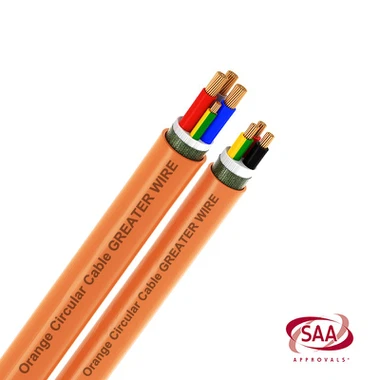
IV. Standards Adhered to in SAA Certification for Power Cables
A. Australian/New Zealand Standards (AS/NZS)
AS/NZS 3190:2017 for Flexible Cords
This standard applies to flexible power cords used in a variety of electrical appliances. It covers aspects such as the construction of the cord, including the number of conductors, the type of insulation, and the outer sheath material. The standard also specifies requirements for the minimum and maximum temperature ratings of the cord, as well as its mechanical strength.
AS/NZS 5000.1:2014 for Wiring Rules
This standard is more comprehensive and covers the overall wiring rules in Australia and New Zealand. For power cables, it provides guidelines on cable sizing, installation methods, and protection against over - current and short - circuits. It ensures that power cables are installed in a way that is safe and compliant with the overall electrical system requirements.
B. International Harmonization of Standards
Alignment with IEC Standards
Many of the Australian and New Zealand standards for power cables are aligned with the International Electrotechnical Commission (IEC) standards. This alignment allows for easier international trade and ensures that the SAA - certified power cables are in line with global best practices. For example, the IEC 60227 standard for insulated cables for rated voltages up to and including 450/750 V has influenced the development of some of the Australian and New Zealand power cable standards.
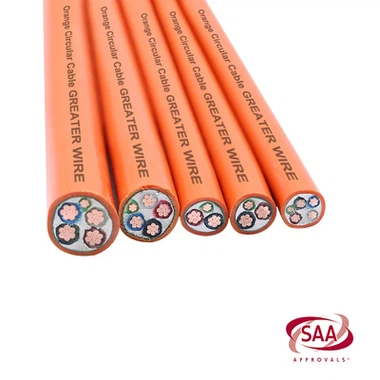
V. The Impact of SAA - Certified Power Cables in the Market
A. Consumer Confidence
Informed Purchasing Decisions
When consumers see the SAA certification mark on a power cable, they can make more informed purchasing decisions. They know that the cable has been tested and meets the necessary safety and quality standards, giving them peace of mind when using electrical appliances. This can lead to increased brand loyalty for manufacturers who produce SAA - certified power cables.
Reduced Product Liability Risks
For retailers and manufacturers, selling SAA - certified power cables reduces the risk of product liability claims. In case of an accident related to a power cable, if the cable is SAA - certified, it can be demonstrated that the product met the required standards at the time of manufacture and sale.
B. Market Competitiveness
Access to New Markets
As mentioned earlier, the SAA certification is recognized in many international markets. Manufacturers with SAA - certified power cables can access new markets more easily, expanding their customer base and increasing their sales potential.
Differentiation from Competitors
In a crowded market, having an SAA - certified power cable can set a manufacturer apart from its competitors. It signals a commitment to quality and safety, which can be a significant selling point for both consumers and businesses.
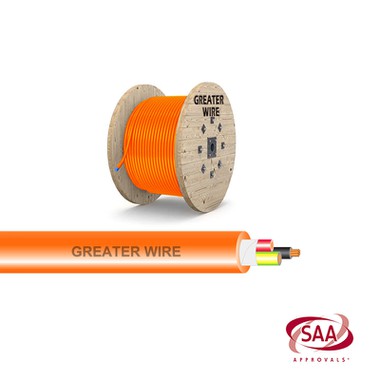
Whether you are developing a large industrial project, commercial building or high-end residential development, Dongguan Greater Wire & Cable Co., Ltd. can provide you with high-quality wire products that meet the Australian SAA standards. We are based on the market with professionalism, quality, service and preferential prices, and are your trusted supplier of wires and cables. Choosing Dongguan Dayi means choosing professionalism, high quality, excellent service and more competitive prices. Contact us now to start an efficient and reliable engineering journey!