























When designing a solar energy system, it's crucial to balance the solar array with the inverter's capacity. Connecting too many solar panels to an inverter can lead to inefficiencies, reduced system lifespan, or even damage. This article explores what happens when an inverter is overloaded with solar panels, focusing on the roles of solar cables and solar wires in maintaining a safe and efficient system.
Understanding Solar Inverter Capacity
A solar inverter converts the direct current (DC) electricity generated by solar panels into alternating current (AC) electricity, which is used in homes and businesses. Each inverter has a rated capacity, such as 5kW or 10kW, indicating the maximum amount of DC power it can handle and convert effectively.
If the total wattage of connected solar panels exceeds the inverter's capacity, the system may encounter the following issues:
Clipping of Power Output: The inverter limits its output to its rated capacity, even if the panels generate more power.
Overheating: Continuous operation beyond its capacity can cause overheating, reducing efficiency and lifespan.
Potential Damage: Prolonged overloading may damage internal components of the inverter.
Voided Warranty: Many inverter warranties do not cover damage caused by overloading.
Solar Cables and Solar Wires: A Key Role
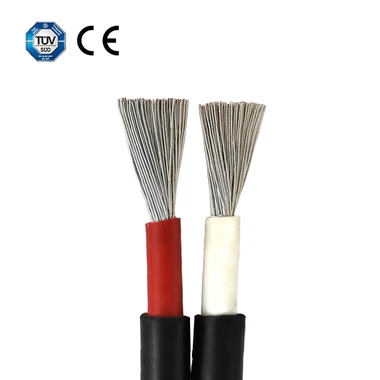
The efficiency and safety of a solar system depend heavily on the proper selection and installation of solar cables and wires. When too many solar panels are connected to an inverter, the increased current and voltage can strain these components, leading to additional risks.
Key Considerations:
Current Rating: Solar cables and wires must be rated for the higher currents generated by an oversized solar array.
Voltage Rating: Exceeding the voltage rating of solar cables and wires can cause insulation failure, leading to electrical shorts or fires.
Temperature Effects: Overloaded cables may overheat, degrading their insulation and creating safety hazards.
Voltage Drop: Longer or improperly sized cables may experience significant voltage drops, reducing system efficiency.

Power Clipping in Overloaded Inverters
If an oversized solar array is connected, the inverter employs power clipping, where it restricts the output to its maximum rated capacity. For example:
A 5kW inverter connected to 7kW of solar panels will cap its output at 5kW, discarding the excess power.
While this doesn't directly damage the inverter, it wastes potential energy production and can lead to inefficiencies in system performance.
Role of Solar Cables and Wires in Clipping: During power clipping, solar cables and wires may still carry higher currents from the oversized array to the inverter. If they are not properly rated for these currents, overheating and energy losses can occur.
Overloading and Cable Selection
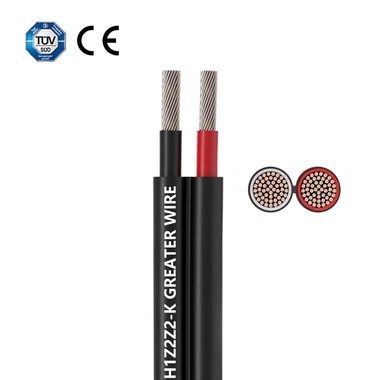
When an inverter is overloaded with too many solar panels, proper cable selection becomes even more critical. Here's how solar cables and wires should be selected and installed to minimize risks:
Cable Sizing:
Current Capacity: Use cables with an ampacity that exceeds the maximum current generated by the solar array. For oversized arrays, this may mean using thicker cables (lower AWG numbers for copper or aluminum).
Voltage Rating: Ensure the cables can handle the total voltage of the string configuration.
Length of Runs: Longer cable runs increase resistance, leading to voltage drops. Oversized arrays exacerbate this issue due to higher currents.
Insulation Quality: High-quality, UV-resistant, and weatherproof insulation is essential for solar cables. Overloaded systems may generate heat, so cables with higher temperature resistance are necessary.
Connector Ratings: Ensure that connectors used in the system match the higher current and voltage of the oversized array to prevent arcing or failure.
Electrical Safety Risks
Connecting too many solar panels to an inverter without upgrading the solar cables and wires can lead to:
Overheating: High currents can cause cables to overheat, melting the insulation.
Fire Hazards: Overloaded wires increase the risk of electrical fires.
Electrical Arcing: Improper connections or inadequate cable ratings can cause dangerous arcing.
Practical Example
Let's consider an example to illustrate the importance of solar cables and wires in an overloaded system:
Solar Array: 20 panels, each rated at 400W (total 8kW).
Inverter: Rated at 6kW.
Cable Sizing:
Expected current: 8kW÷400V=20A8kW \div 400V = 20A8kW÷400V=20A.
Voltage: 400V400V400V.
In this scenario:
A standard 10 AWG copper wire (rated for ~30A) may suffice under normal conditions.
If the system is frequently overloaded, the current may rise above the wire's safe capacity, requiring an upgrade to a thicker wire, such as 8 AWG.

Best Practices for Preventing Issues
Avoid Excessive Oversizing:
Keep the total solar panel wattage within 10–20% of the inverter's capacity.
Verify the inverter manufacturer's guidelines on oversizing.
Use Properly Rated Solar Cables:
Select cables with sufficient ampacity and voltage ratings.
Ensure compliance with local electrical codes.
Upgrade System Components:
Install breakers, fuses, and surge protection devices rated for the oversized array.
Consider upgrading the inverter if oversizing significantly exceeds safe limits.
Monitor System Performance:
Use monitoring tools to track power output and detect overheating or voltage drops.
Regularly inspect solar cables and wires for signs of wear or overheating.
Impact on Warranty and Insurance
Overloading an inverter may void its warranty, leaving you responsible for repair or replacement costs. Additionally, improperly sized solar cables and wires can violate electrical codes, potentially invalidating insurance coverage in case of a fire or other damage.