

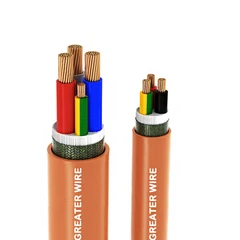
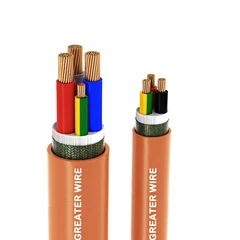

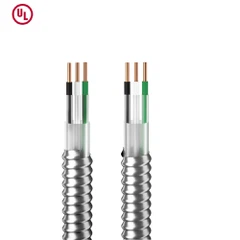
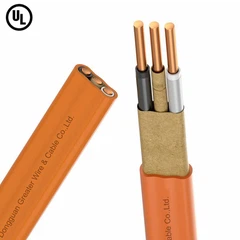
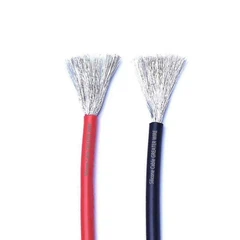
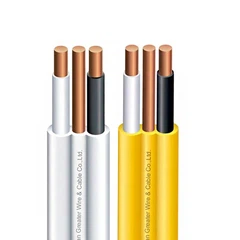
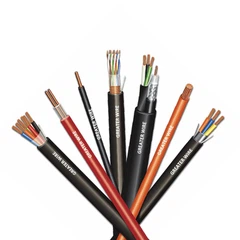
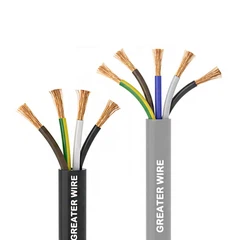
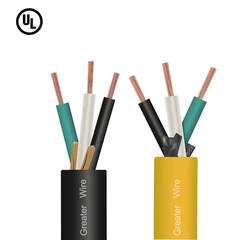
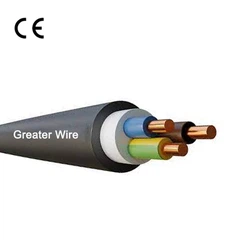
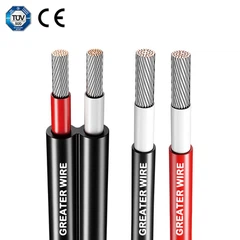

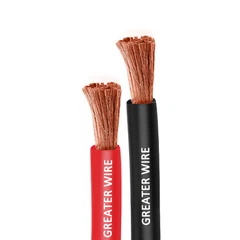
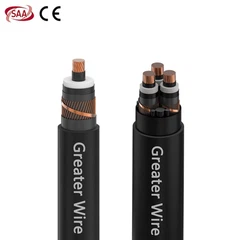
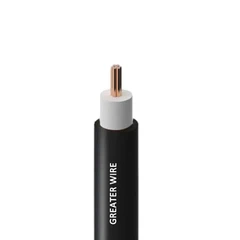
The orange circular cable is one of the most commonly used cables in various industries, thanks to its robust design, flexibility, and superior durability. Whether you're using it for power distribution, telecommunications, construction, or industrial machinery, the proper installation of the orange circular cable is crucial to ensure its performance, longevity, and safety. If not installed correctly, the cable may be subjected to wear and tear, electrical failures, or even hazards such as short circuits and fires.
In this article, we will discuss the key installation precautions that should be taken when using an orange circular cable. We will cover factors such as preparation, handling, routing, and specific considerations for different environments and applications.


1. Understanding the Basics of the Orange Circular Cable
Before diving into installation precautions, it is important to first understand the key features of the orange circular cable.
The orange circular cable typically consists of multiple conductors (usually copper or aluminum) enclosed in layers of insulation and protective sheathing. The orange color is often used to enhance visibility, particularly in hazardous environments such as construction sites or outdoor installations. The circular shape helps to evenly distribute electrical load and ensures flexibility during installation, making the orange circular cable ideal for various dynamic and static applications.

2. Choosing the Right Cable for the Application
The first step in the proper installation of the orange circular cable is ensuring that the correct cable is chosen for the intended application. Different cables come with different specifications regarding voltage rating, current-carrying capacity, temperature tolerance, and environmental resistance.
Voltage Rating: Make sure the orange circular cable you choose is rated for the voltage levels that will be encountered during operation. Overvoltage can cause damage to the insulation, resulting in breakdowns or electrical hazards.
Current Carrying Capacity: Ensure the cable is capable of handling the required electrical load. Choosing a cable with an insufficient current-carrying capacity can lead to overheating and potential cable failure.
Temperature and Environmental Conditions: Consider the temperature range and environmental conditions the orange circular cable will be exposed to. Some cables are specifically designed to withstand extreme temperatures, moisture, chemicals, and UV exposure, so select one that aligns with these needs.

3. Pre-Installation Preparations
Before starting the installation process, there are several preparatory steps to ensure the correct and safe installation of the orange circular cable.
Inspect the Cable
Inspect the orange circular cable for any visible signs of damage, such as cuts, nicks, or abrasions on the outer sheath. Damaged cables should not be installed, as they could lead to faults or failures later. Verify that the cable is the correct type and size for your installation needs.
Measure and Plan Cable Lengths
Accurately measure the required lengths of the orange circular cable to avoid excessive slack or tension. Cables that are too short can lead to splicing, while those that are too long can result in clutter and wasted materials. Use the correct tools to measure and cut the cable to the required length.
Identify the Cable's Bend Radius
Cables are designed to be flexible, but they have a minimum bend radius that should not be exceeded. The orange circular cable typically has a bend radius specified by the manufacturer. Exceeding this bend radius could cause the conductors inside the cable to become damaged, potentially leading to electrical faults or performance degradation.

4. Proper Handling During Installation
Handling the orange circular cable properly during installation is essential to maintain its integrity. Improper handling can damage the internal conductors, insulation, or outer sheath, compromising the cable's performance.
Avoid Dragging or Pulling the Cable
While the orange circular cable is designed for flexibility, it should not be dragged or pulled across rough surfaces, as this can damage the outer sheath. Use proper cable management tools such as cable rollers, guides, or conduits to prevent unnecessary friction that may cause the cable to wear prematurely.
Prevent Over-Tensioning
Avoid pulling the cable too tightly during installation. Over-tensioning can stretch or deform the cable, weakening its structure. The orange circular cable is flexible, but excessive tension can lead to conductor breakage or insulation damage. Always check the manufacturer's guidelines for the maximum allowable pulling tension.
Support and Secure the Cable
Throughout the installation process, ensure that the orange circular cable is adequately supported. Use cable trays, conduits, or hangers to provide uniform support and prevent the cable from sagging or becoming kinked. Proper support helps distribute the weight of the cable evenly and prevents unnecessary strain on the conductors.

5. Routing the Cable Properly
The routing of the orange circular cable plays a vital role in its performance and durability. The way the cable is laid out can have a significant impact on its longevity and safety.
Avoid Sharp Bends
As mentioned earlier, the orange circular cable has a specific bend radius that must be respected during installation. Sharp bends or kinks in the cable can cause internal damage, leading to electrical failures. Ensure that any bends in the cable are gentle and within the manufacturer's specified limits.
Keep the Cable Away from Heat Sources
During installation, ensure that the orange circular cable is routed away from sources of extreme heat such as boilers, engines, or open flames. Heat can degrade the cable's insulation over time, leading to potential failure. If the cable must run near heat sources, make sure it is adequately shielded or insulated to withstand the elevated temperatures.
Avoid Exposure to Chemicals or Abrasive Materials
The orange circular cable is designed with durable outer sheathing to withstand chemicals, abrasives, and environmental exposure. However, in environments where the cable will come into contact with harsh chemicals or abrasive materials, additional protective measures such as conduit or protective coatings should be used to ensure its longevity.
Avoid Overcrowding in Conduits or Cable Trays
Overcrowding cables in conduits or cable trays can lead to overheating and reduce the cable's overall performance. When installing orange circular cables, leave sufficient space between each cable to allow for adequate ventilation and prevent excessive heat buildup. Overcrowding can also cause physical damage to the cable, leading to premature failure.

6. Connecting the Orange Circular Cable
Proper connections are crucial to the effective operation of the orange circular cable. Faulty connections can result in electrical faults, overheating, and even fires.
Use Appropriate Connectors and Terminals
When making connections with the orange circular cable, always use the correct connectors and terminals specified by the manufacturer. These connectors should be rated for the cable's voltage, current, and environmental conditions. Never attempt to use connectors that are not designed for use with the cable, as this can cause safety hazards.
Tighten Connections Securely
Ensure that all connections are tightened to the recommended torque. Loose connections can cause overheating, arcing, or sparks, which can result in fire hazards or equipment failure. Tighten connections carefully, but avoid over-tightening, which can damage the cable or connectors.

7. Protection Against External Forces
The orange circular cable is designed for flexibility and durability, but it still requires protection from external forces that may compromise its integrity.
Use Conduits or Cable Trays for Physical Protection
In areas where the cable will be exposed to physical stress, such as machinery rooms or outdoor environments, consider using additional protection such as conduits or cable trays. These protective measures shield the cable from mechanical impact, sharp edges, and abrasive materials.
Consider Using Armored Cables for Extra Protection
In extremely hazardous environments, where the orange circular cable is exposed to heavy impacts, sharp objects, or intense mechanical stress, consider using armored cables. These cables feature a layer of metallic protection that adds an extra layer of durability against physical damage.

8. Post-Installation Checks and Testing
Once the orange circular cable has been installed, it is essential to perform post-installation checks and tests to ensure that it is functioning properly.
Test for Continuity and Insulation Resistance
Before energizing the system, check the continuity of the conductors and verify that the insulation resistance is within acceptable limits. This helps ensure that there are no short circuits or insulation failures that could lead to electrical hazards.
Inspect for Visual Damage
Inspect the entire cable installation for any visible signs of damage, wear, or improper routing. Check for abrasions on the outer sheath, excessive bends, or areas where the cable might be exposed to excessive stress.