

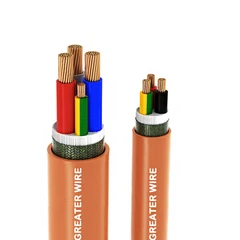
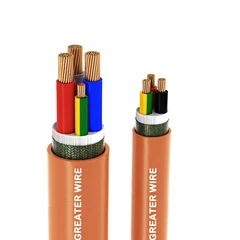

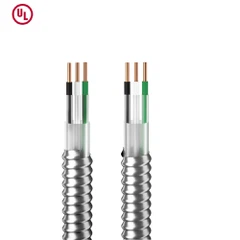
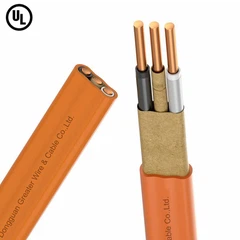
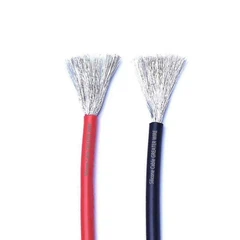
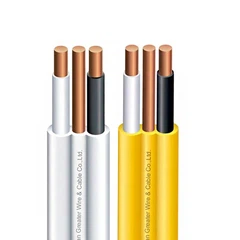
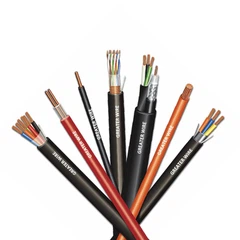
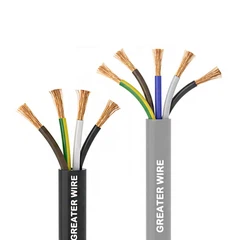
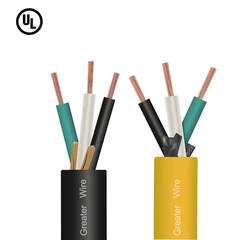
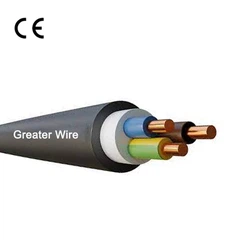
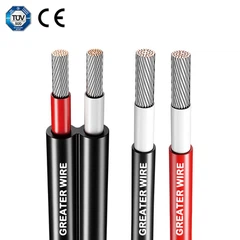

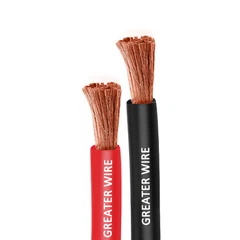
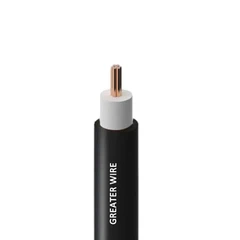
In the world of electrical wiring, cables play an essential role in ensuring the smooth transmission of power. Whether it's for residential, commercial, or industrial applications, choosing the right type of cable is vital for both efficiency and safety. One of the most commonly used cables in various industries is the orange circular cable, a robust and flexible cable designed for various power transmission applications. Its distinctive orange color often signifies visibility and safety, making it ideal for high-traffic or hazardous environments.
A question that arises among engineers, solar power installers, and electrical professionals is whether the orange circular cable can be used in solar power systems. Given the unique demands of solar power systems, such as exposure to outdoor elements, varying weather conditions, and the need for consistent and efficient power transfer, it is essential to understand whether the orange circular cable meets the technical and environmental requirements of such systems.
In this article, we will explore the suitability of the orange circular cable for solar power systems, examining factors such as durability, electrical performance, environmental resistance, and installation considerations.


1. Overview of Solar Power Systems
A solar power system typically involves several key components:
Solar panels: These convert sunlight into electricity.
Inverter: This converts the direct current (DC) from the solar panels into alternating current (AC) for use in home or commercial systems.
Batteries: These store excess energy produced by the solar panels for use when there is little sunlight.
Wiring and cables: These are used to connect all the components, ensuring electricity flows efficiently from the solar panels to the inverter, battery, and finally to electrical loads.
Solar power systems operate in both outdoor and indoor settings, with the outdoor components needing to withstand harsh environmental conditions such as temperature fluctuations, rain, UV exposure, and mechanical stresses.

2. Understanding Orange Circular Cables
The orange circular cable is a versatile electrical cable commonly used in various industries, from power distribution to telecommunications and construction. It typically consists of:
Conductors: Made of copper or aluminum, which carry electrical current.
Insulation: A protective layer that prevents electrical shorts and damage to the conductors.
Sheath: An outer layer that protects the cable from physical damage and environmental factors.
The orange circular cable is known for its flexibility, durability, and safety features. The orange color helps with identification, especially in high-traffic or hazardous areas. These cables are often used in industrial settings, outdoor applications, and for connecting large electrical systems where durability is critical.

3. Key Considerations for Solar Power System Wiring
When selecting cables for a solar power system, several important factors must be taken into account:
Voltage Rating: Solar power systems, especially larger systems, require cables that can handle high voltage, typically up to 600V (in residential systems) or 1000V (in commercial or utility-scale systems). The cables must be rated for this voltage to prevent insulation failure or other issues.
Current-Carrying Capacity: The cable must be able to handle the electrical current generated by the solar panels, which varies depending on the size of the system and the amount of sunlight available.
Durability: Solar power systems are often installed outdoors, meaning that cables must withstand environmental stressors such as UV radiation, rain, temperature extremes, and physical wear and tear.
Flexibility: Solar panel installations often require cables to be routed through tight spaces or along curved paths, so the cables must be flexible enough for ease of installation.
Safety: Cables used in solar power systems must comply with safety standards to prevent short circuits, fires, or other electrical hazards.

4. Can the Orange Circular Cable Meet the Requirements?
Now that we have an understanding of both solar power systems and orange circular cables, the next question is: can the orange circular cable meet the requirements of solar power systems? To answer this question, we need to examine various factors, including electrical properties, environmental resistance, and suitability for installation in outdoor and solar panel configurations.
Voltage Rating of Orange Circular Cables
The voltage rating of the orange circular cable is one of the first factors to consider when determining its suitability for solar power systems. Solar power systems, especially large-scale or residential systems, often operate at high voltages, and the cables used must be able to handle this safely.
Residential Solar Systems: These systems generally operate at voltages of 120V to 600V. Depending on the orange circular cable's insulation and design, it may be suitable for lower to mid-range voltage systems. Cables used for solar applications should be rated for 600V or higher to comply with industry standards.
Commercial or Utility-Scale Solar Systems: These systems can operate at even higher voltages, up to 1000V. Cables used in these systems must have higher voltage ratings, and many orange circular cables might not meet the required voltage capacity for these larger installations. In such cases, cables specifically rated for high voltage applications, such as photovoltaic (PV) cables, are preferred.
In summary, the orange circular cable could be used for residential solar power systems where the voltage does not exceed 600V. However, for commercial or utility-scale installations, cables designed explicitly for high-voltage applications, such as solar PV cables, are more appropriate.
Current-Carrying Capacity
The current-carrying capacity of the orange circular cable depends on its size, material, and insulation. In solar power systems, especially those involving multiple solar panels, the current can vary depending on the number of panels, the amount of sunlight, and the overall system design.
Copper Conductors: Orange circular cables with copper conductors generally have good current-carrying capacity and can handle moderate current loads in smaller solar power systems.
Aluminum Conductors: Aluminum is a more cost-effective option for larger systems, but it may have a lower current-carrying capacity than copper. The exact capacity will depend on the gauge of the wire.
In small residential solar systems, an orange circular cable with the proper conductor size and insulation can likely handle the current demands. However, larger commercial systems may require cables with a higher current capacity and potentially thicker gauges, which might not be characteristic of a typical orange circular cable.
Environmental Resistance
One of the most critical aspects of cables used in solar power systems is their ability to withstand outdoor environmental conditions. Solar installations are often exposed to UV radiation, moisture, extreme temperatures, and mechanical stress. The orange circular cable, depending on its sheath material, may or may not be suitable for such harsh environments.
UV Resistance: Some orange circular cables are made with UV-resistant materials in the outer sheath, which can protect the cable from degradation caused by prolonged exposure to sunlight. If the cable is not UV-resistant, it may degrade over time, causing the insulation to break down, potentially leading to electrical shorts or fires.
Temperature Resistance: Solar power systems often operate in areas with extreme temperature fluctuations, ranging from freezing temperatures to intense heat. The orange circular cable is typically made with materials like PVC or TPE, which have moderate resistance to temperature extremes. However, for extreme environments, a cable specifically rated for high or low temperatures would be preferable.
Moisture and Water Resistance: The orange circular cable can be used in outdoor environments, but if it is going to be exposed to significant moisture or direct water, additional protection such as conduit or a more robust outer sheath may be necessary. Cables with water-resistant or waterproof properties are ideal for outdoor solar installations.
In general, the orange circular cable could be used in environments that are not extremely harsh, but for long-term outdoor exposure in solar power systems, cables specifically rated for outdoor and weather-resistant applications, such as solar PV cables, should be considered.
Flexibility and Ease of Installation
Solar installations often involve routing cables through tight spaces, corners, or around mounting structures. The orange circular cable is generally flexible and can be used for straightforward installations, particularly in residential systems.
However, for commercial or large-scale solar systems that require extensive routing across large areas, more specialized cables may be needed to accommodate high flexibility, durability, and ease of handling. Solar PV cables are designed with these features in mind and are often preferred for large-scale installations.

5. Why Choose Solar-Specific Cables Over Orange Circular Cables?
While the orange circular cable may work for some small solar power systems, there are specific cables designed for solar applications that offer more advantages. Solar PV cables are designed to meet the stringent requirements of photovoltaic systems, including:
Higher voltage ratings (up to 1000V or more)
Enhanced UV protection and weather resistance
Longer operational life and reliability in outdoor conditions
Specific certifications for use in solar installations (e.g., UL, IEC)
While the orange circular cable might serve as a temporary solution or be suitable for low-voltage systems, solar-specific cables offer far superior durability and safety for long-term, large-scale solar power installations.