

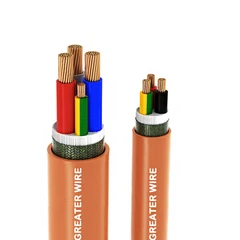
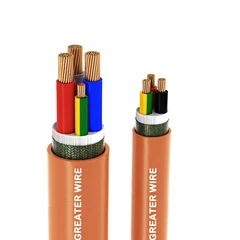

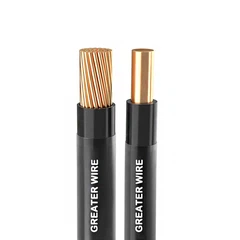
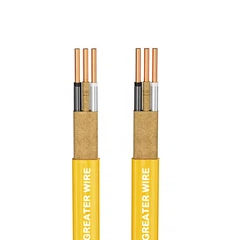
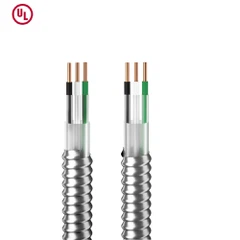
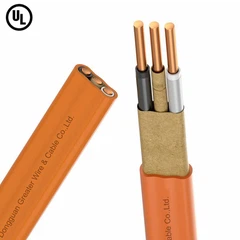
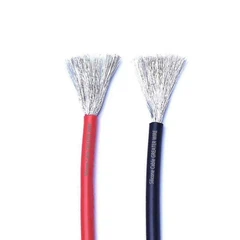
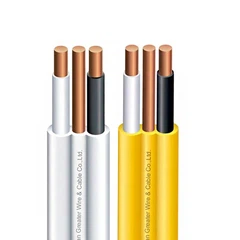
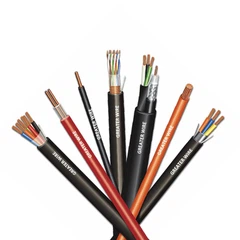
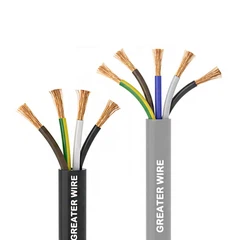
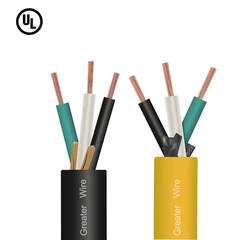
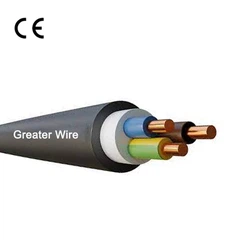

In a wide range of industrial, residential, and commercial applications, the durability of cables plays a critical role in ensuring the safety and efficiency of electrical systems. Among the various types of cables, the orange circular cable stands out due to its robust design, flexible use, and exceptional durability in a variety of environments. The orange circular cable is often used for power transmission, construction, industrial machinery, and telecommunications, making its durability a significant factor in its performance.
This article aims to explore how durable the orange circular cable is, examining the factors that influence its durability, including material composition, construction, insulation, and external environmental influences. Additionally, we will compare the orange circular cable's durability to other types of cables and analyze its resilience to wear and tear, corrosion, temperature fluctuations, and mechanical stresses.


1. What is an Orange Circular Cable?
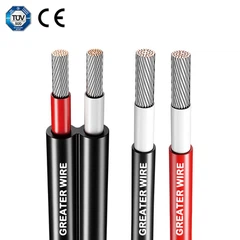
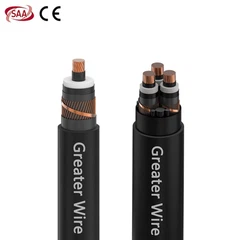
Before delving into its durability, let's define what makes the orange circular cable unique. The orange circular cable typically consists of multiple copper or aluminum conductors encased in protective layers, with a bright orange outer sheath for high visibility. These cables are primarily designed for power transmission and signal integrity, with the orange color often denoting safety and increased visibility in hazardous environments such as construction sites, factories, and outdoor settings.
The circular shape of the cable is designed to ensure uniform distribution of electrical current and provide flexibility in installation. The robust design, coupled with high-quality materials and insulation, contributes to the overall durability of the orange circular cable.

2. Material Composition and Its Impact on Durability
The materials used in the construction of the orange circular cable play a crucial role in determining its durability. The core components of an orange circular cable are the conductor, insulation, and outer sheath, and each part has been chosen for its durability and resistance to various types of wear.
Conductors
The conductors in orange circular cables are typically made of copper or aluminum. Both of these materials are excellent conductors of electricity, but their durability characteristics differ slightly.
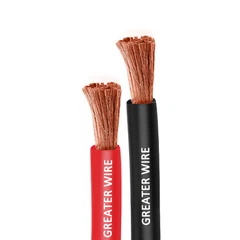
Copper: Copper is widely known for its exceptional electrical conductivity, making it the most commonly used conductor material in orange circular cables. Copper conductors are highly resistant to oxidation and corrosion, contributing to the cable's longevity. Copper's ductility also makes it more resistant to breakage under mechanical stress, enhancing the overall durability of the cable.
Aluminum: While aluminum is less conductive than copper, it is still a popular choice for orange circular cables, especially in large-scale power distribution. Aluminum is lightweight and cost-effective, but it can be more prone to corrosion, especially in harsh or moist environments. However, cables with aluminum conductors often feature corrosion-resistant coatings or anodized finishes to mitigate this issue.
Insulation Materials
The insulation used in orange circular cables is designed to protect the conductors from environmental elements such as moisture, heat, and physical damage. Common insulation materials include PVC (polyvinyl chloride), XLPE (cross-linked polyethylene), and TPE (thermoplastic elastomer). These materials offer distinct advantages in terms of durability:
PVC: PVC is a widely used insulation material due to its excellent resistance to moisture, chemicals, and abrasion. It also offers good temperature resistance, making it suitable for a range of applications.
XLPE: XLPE is known for its superior thermal stability, resistance to electrical stress, and long-term durability. It can withstand higher temperatures compared to PVC and is often used in environments with high heat exposure.
TPE: TPE offers excellent flexibility and resistance to environmental stress, making it ideal for applications where the cable may be subjected to mechanical strain or frequent movement.
The insulation materials used in orange circular cables contribute significantly to their durability by protecting the conductors from damage and preventing electrical shorts caused by external factors.
Outer Sheath
The outer sheath of the orange circular cable serves as the first line of defense against external elements. Typically made of durable materials like PVC, rubber, or TPE, the outer sheath is designed to withstand physical abrasion, impacts, and exposure to harsh environmental conditions. PVC sheaths are particularly common due to their flexibility and resistance to chemicals, moisture, and UV radiation, ensuring long-lasting protection for the cable.

3. Factors Affecting the Durability of Orange Circular Cables
The durability of an orange circular cable is influenced by several external and internal factors. Understanding these factors can help users make informed decisions about where and how to use these cables.
Environmental Conditions
Environmental factors such as temperature, humidity, and exposure to chemicals can have a significant impact on the durability of orange circular cables.
Temperature Extremes: Orange circular cables are often designed to withstand a wide range of temperatures. The insulation materials, such as XLPE, are known for their ability to maintain durability at high temperatures. However, extreme heat or cold can still affect the performance of the cable. Excessive heat can cause the insulation to degrade over time, while freezing temperatures may make the cable more prone to cracking or brittleness. For this reason, orange circular cables used in high-temperature or low-temperature environments should be carefully selected to ensure they can handle the temperature fluctuations.
Moisture and Humidity: Moisture is one of the leading causes of cable damage, as it can lead to corrosion of the conductors and deterioration of the insulation. Orange circular cables with proper moisture-resistant insulation, such as PVC or TPE, can perform well in wet environments. However, cables that are not rated for wet conditions may experience insulation failure, leading to electrical shorts or other performance issues.
UV Radiation: Cables exposed to direct sunlight or UV radiation are at risk of degradation over time. Orange circular cables with UV-resistant outer sheaths are specifically designed to withstand long-term exposure to sunlight, preventing the insulation from becoming brittle or cracking.
Mechanical Stress and Flexing
Orange circular cables are designed to be flexible and resilient, but they are still subject to wear and tear from mechanical stresses such as bending, pulling, or twisting. The circular shape of the cable helps distribute mechanical stress evenly, minimizing the risk of damage when the cable is bent or flexed. However, continuous movement or bending beyond the cable's rated bend radius can cause strain on the conductor and insulation, leading to premature failure.
Flexibility and Strain: Orange circular cables are generally more durable than flat cables in terms of flexibility. The circular design allows the cable to bend without causing significant internal stress, making it more resilient to repeated bending. Additionally, cables used in mobile or dynamic environments should be designed with flexible conductors and insulation to prevent cracking and damage from continuous movement.
Chemical and Abrasion Resistance
In environments where cables are exposed to chemicals, oils, or abrasive materials, the durability of the cable's outer sheath becomes a crucial factor. The orange circular cable is typically designed to resist abrasion, chemicals, and physical impacts, making it suitable for use in factories, industrial environments, or outdoor installations. For example, rubber or TPE sheaths offer excellent resistance to chemicals and physical wear, ensuring that the cable retains its integrity even in harsh conditions.

4. Comparing the Durability of Orange Circular Cables with Other Cables
When compared to other types of cables, the orange circular cable is known for its robust durability, thanks to its circular shape, high-quality materials, and protective coatings. However, different types of cables may offer varying levels of durability based on their design and intended use.
Flat Cables
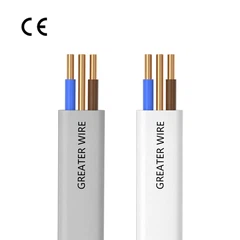
Flat cables are less durable than orange circular cables when it comes to mechanical stress. While flat cables are useful in space-constrained installations, they are more prone to damage from bending and impact. The lack of a circular shape means that flat cables are more likely to suffer from localized stress, which can result in conductor breakage or insulation failure.
Coaxial Cables
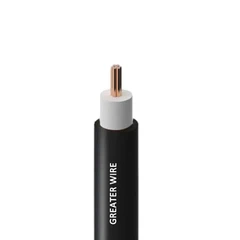
Coaxial cables are designed for signal transmission rather than power transmission and offer durability in environments where signal integrity is crucial. While coaxial cables are resistant to physical stress, they do not offer the same current-carrying capacity or overall durability as orange circular cables, particularly in power distribution applications. The outer shield of coaxial cables offers excellent protection against electrical interference, but it is not as resilient to mechanical damage as the sheath of an orange circular cable.
Fiber Optic Cables
Fiber optic cables are designed for high-speed data transmission and are less durable in terms of physical stress compared to orange circular cables. They are often more fragile and sensitive to bending, and while they do not have the same corrosion resistance or current-carrying capacity, they excel in environments where electrical interference and high data throughput are priorities.