


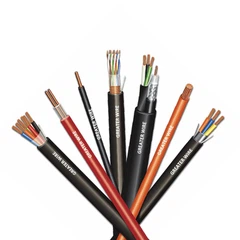
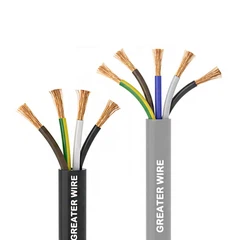
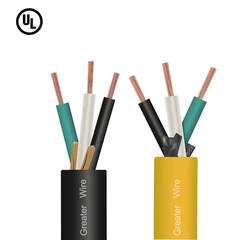
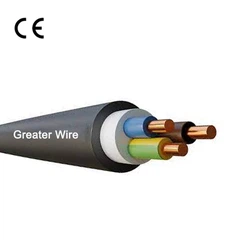
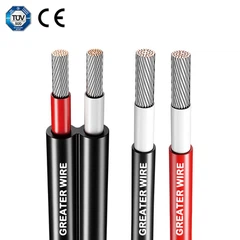

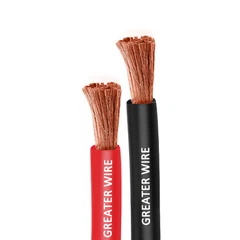
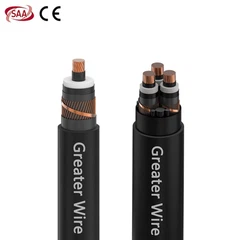
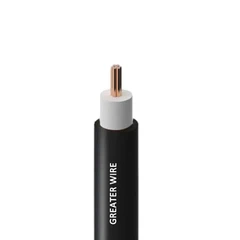
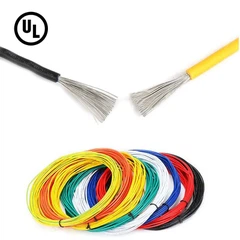
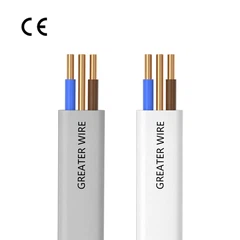
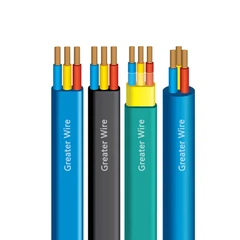
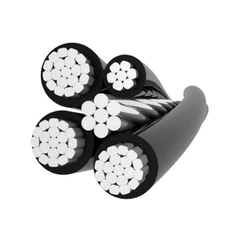
In building electrical systems, insulation materials play a decisive role in ensuring electrical safety, long-term reliability, and regulatory compliance. While conductors determine current-carrying capacity, it is the insulation that protects against electric shock, short circuits, fire hazards, and environmental degradation.
For residential, commercial, and light industrial buildings, electrical wires are typically installed as fixed wiring systems, concealed within walls, conduits, or cable trays. This installation method places unique demands on insulation materials, including thermal stability, flame retardancy, mechanical robustness, and resistance to aging.

Structural Overview of Building Electrical Wires
To understand insulation selection, it is first necessary to examine the basic structure of building wires.
Core Components of Building Wires
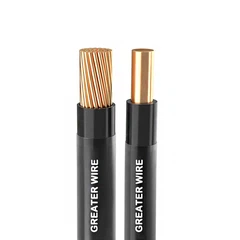
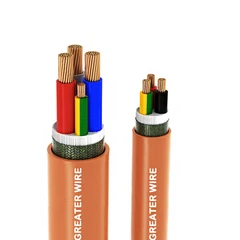
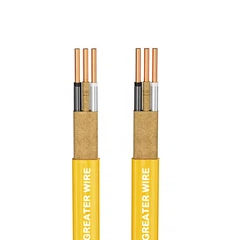
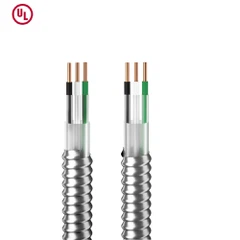
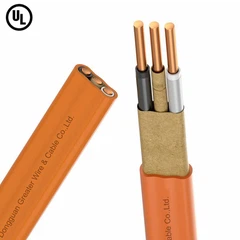
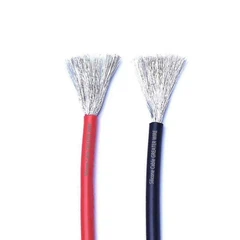
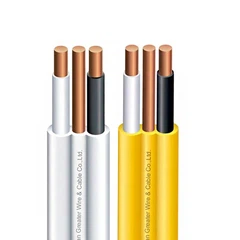
A typical building electrical wire consists of:
Conductor: Usually copper (solid or stranded), occasionally aluminum
Primary insulation layer: The main electrical insulating material
(Optional) Secondary insulation or jacket: Used in certain wire types for additional mechanical or environmental protection
In many building wire types, especially single-core wires used in conduit systems, the insulation layer is the only protective barrier between the energized conductor and the surrounding building structure.
Functional Role of Insulation
The insulation material must:
Electrically isolate the conductor
Withstand rated voltage without breakdown
Resist heat generated by current flow
Prevent flame propagation
Maintain integrity over decades of service life
As a result, insulation material selection directly affects safety margins, service life, installation performance, and maintenance costs.

Common Insulation Materials Used in Building Electrical Wires
PVC (Polyvinyl Chloride)
PVC is the most widely used insulation material for building wires globally.
Key characteristics:
Good electrical insulation properties
Moderate temperature rating (typically 70°C–90°C)
Excellent flame-retardant performance
Cost-effective and easy to process
PVC insulation is often used in wire types such as BV, THW, TW, and NYM.
XLPE (Cross-Linked Polyethylene)
XLPE is a thermoset material produced by chemically or physically cross-linking polyethylene.
Key characteristics:
Higher temperature rating (90°C–125°C)
Superior thermal aging resistance
Better dielectric strength than PVC
Improved resistance to deformation under heat
XLPE insulation is commonly found in XHHW, RHW, and modern high-performance building wires.
PE (Polyethylene)
Standard PE insulation is less common in internal building wiring but is still used in certain applications.
Key characteristics:
Excellent electrical properties
Lower dielectric loss
Poor flame retardancy unless modified
Limited high-temperature performance
PE is more frequently used in communication or low-voltage signal cables rather than power building wires.
Rubber and Elastomeric Insulation
Elastomer-based insulation materials include EPR (Ethylene Propylene Rubber) and other synthetic rubbers.
Key characteristics:
High flexibility
Good thermal performance
Resistance to vibration and mechanical stress
Generally higher cost
These materials are used where flexibility or environmental resistance is prioritized, such as special building installations or equipment connections.
Nylon-Coated Composite Insulation
Some building wires use dual-layer insulation, such as PVC or XLPE with an outer nylon layer.
Key characteristics:
Enhanced abrasion resistance
Improved chemical and moisture resistance
Easier pulling through conduits
This composite structure is common in THHN/THWN-type building wires.

Performance Differences Between Insulation Materials
Thermal Performance
PVC: Adequate for standard residential loads
XLPE: Superior for high-load or high-temperature environments
Elastomers: Stable across wider temperature ranges
Thermal performance determines allowable current load and long-term insulation life.
Flame Retardancy
PVC: Naturally flame-retardant
XLPE: Requires additives to achieve flame resistance
PE: Poor flame resistance unless specially formulated
Building codes often mandate specific flame-retardant test compliance.
Mechanical Strength and Installation Behavior
PVC: Softer, easier to strip and terminate
XLPE: Tougher, more resistant to deformation
Nylon-coated systems: Best abrasion resistance during pulling
Aging and Environmental Resistance
PVC: Susceptible to plasticizer migration over long periods
XLPE: Excellent aging and oxidation resistance
Rubber: Good resistance to vibration and repeated stress

Application-Specific Insulation Requirements in Buildings
Residential General Wiring
Moderate temperature and current levels
PVC insulation is typically sufficient
Emphasis on cost efficiency and compliance
High-Load Circuits (Air Conditioning, Water Heaters)
Continuous high current
Elevated conductor temperatures
XLPE insulation is preferred due to superior heat resistance
Conduit and Raceway Installations
High abrasion risk during installation
Nylon-coated or mechanically robust insulation recommended
Damp or Humid Locations
Basements, bathrooms, kitchens
Moisture-resistant insulation required
XLPE or moisture-rated PVC compounds are suitable
Smart Building and Control Systems
Lower voltage but higher signal integrity requirements
Insulation with stable dielectric properties is preferred

How to Select the Right Insulation Material for Building Wires
Compliance with Codes and Standards
Always prioritize compliance with:
National electrical codes
Fire safety regulations
Mandatory insulation ratings and certifications
Matching Insulation to Load and Temperature
Avoid operating insulation near its maximum temperature limit
Select higher-rated materials for continuous loads
Considering Installation Environment
Conduit type, pulling length, and bending radius
Exposure to moisture, chemicals, or heat sources
6.4 Balancing Cost and Performance
PVC offers the best cost-performance ratio for standard applications
XLPE provides long-term reliability for demanding environments
Composite insulation may reduce installation labor costs


Insulation material selection is a critical technical decision in building electrical wire design and application. Different insulation materials offer distinct advantages in terms of thermal performance, flame resistance, mechanical strength, and aging behavior.
By understanding the structure of building wires, the properties of common insulation materials, and the specific requirements of different building environments, engineers, designers, and end users can make informed choices that enhance safety, reliability, and service life.
Selecting the appropriate insulation is not merely a matter of meeting minimum standards-it is a strategic decision that directly impacts the long-term performance and safety of the entire building electrical system.
At Dongguan Greater Wire & Cable Co., Ltd., we understand that choosing the right wire and cable solutions is critical to the success and safety of your projects.
Our experienced pre-sales and after-sales teams provide:
Professional technical consultation
Accurate product selection and application guidance
Fast and responsive support throughout the entire project lifecycle
Whether you are working on small-scale installations or large industrial projects, we are committed to delivering reliable solutions and practical support tailored to your specific requirements.
Contact Us
Dongguan Greater Wire & Cable Co., Ltd.
📞 Tel / WhatsApp / WeChat
+86 135 1078 4550
+86 136 6257 9592
📧 Email
manager01@greaterwire.com
We look forward to supporting your next project with quality products, technical expertise, and dependable service.