




In modern residential buildings, the electrical system is one of the most critical infrastructures ensuring safety, comfort, and functionality. Electrical wiring forms the foundation of this system, enabling the safe and reliable transmission of electrical power throughout the home. Lighting, socket outlets, air-conditioning systems, kitchen appliances, and smart home equipment all depend on properly selected and correctly installed building wires.
Although residential electrical codes vary among countries and regions, the fundamental principles governing the structure, materials, and application of building wires are largely universal. This article provides a professional overview of what building wire is, why it is suitable for residential use, how wiring requirements differ across residential scenarios, and how homeowners and designers can select the most appropriate building wire for their residences.

What Is Building Wire?
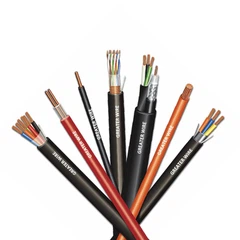
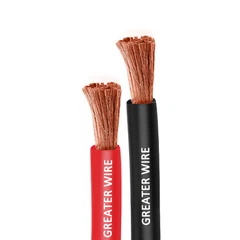
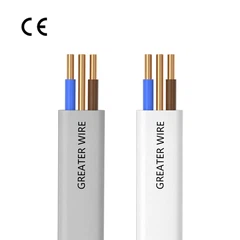
Building wire refers to low-voltage electrical conductors specifically designed for fixed installation inside buildings. It is primarily used to distribute electrical power within residential, commercial, and light industrial structures. Building wires are typically installed inside conduits, raceways, walls, ceilings, or floors and are not intended to be moved after installation.
Basic Structure of Building Wire
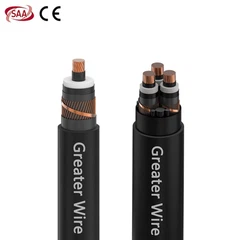
A typical building wire consists of the following components:
Conductor: Usually copper, available in solid or stranded form
Insulation: Materials such as PVC, XLPE, PE, or nylon-coated compounds
(Optional) Sheath: Some building wires are single-insulated and do not include an outer jacket
Key Characteristics
Rated voltage commonly 300 V or 600 V
Designed for fixed installation
Emphasis on electrical safety, thermal resistance, flame retardancy, and long-term reliability
Manufactured in compliance with recognized standards such as UL, IEC, GB, and BS

Why Building Wire Is Suitable for Residential Buildings
Designed for Long-Term Fixed Use
Once installed, residential wiring is expected to remain in service for 20 to 50 years. Building wires are engineered to maintain stable insulation and electrical performance over extended periods under continuous voltage and current loading.
Fire Safety and Flame Retardancy
Electrical faults are a major cause of residential fires. Building wires are therefore required to meet strict fire performance criteria, including:
Compliance with flame-retardant tests (e.g., VW-1, IEC 60332)
Reduced flame propagation in the event of overload or short circuit
Lower smoke generation to improve occupant safety
Compatibility with Building Structures
Building wires are fully compatible with common residential installation methods, including:
Metal or PVC conduits
Concealed wiring inside walls, floors, and ceilings
Distribution boards and junction boxes
This compatibility makes building wire the standard choice for residential electrical systems.

Common Types of Building Wire Used in Residential Buildings
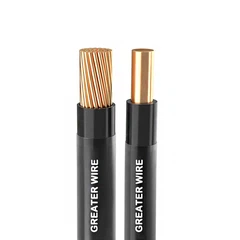
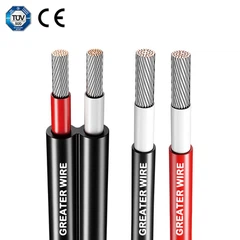
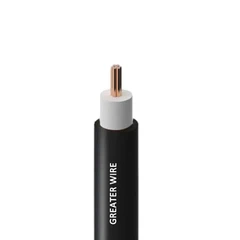
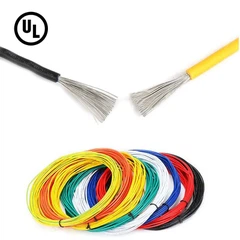
Single-Core Building Wires (e.g., THHN, THWN, BV, H07V-U)
Characteristics:
Single insulated conductor; multiple wires are combined for a circuit
Typically installed in conduits
Widely used for lighting, socket outlets, and branch circuits
Advantages:
Good heat dissipation
High flexibility in circuit design and maintenance
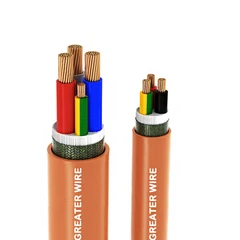
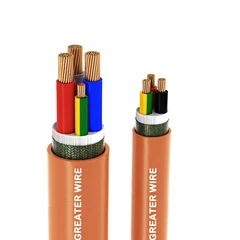
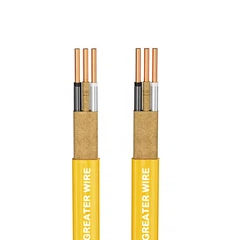
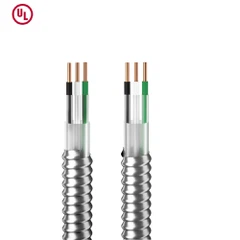
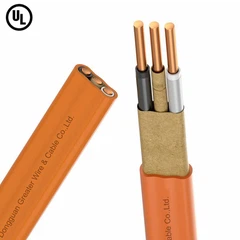
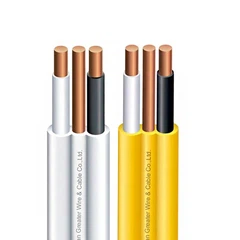
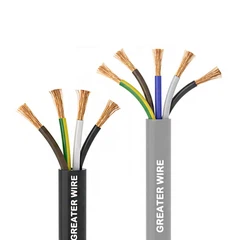
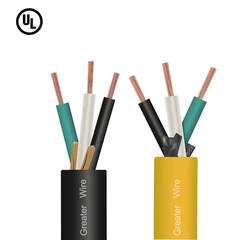
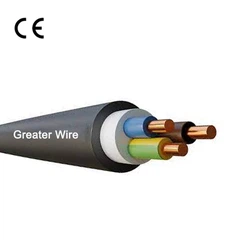
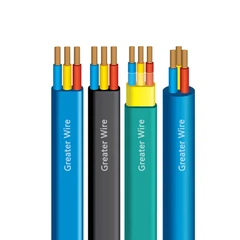
Multi-Core Building Cables (e.g., NM-B, NYM)
Characteristics:
Multiple insulated conductors enclosed in a single outer sheath
Faster and simpler installation
Suitable for main circuits and complete residential branch wiring
Advantages:
Reduced installation time
Neater wiring and lower risk of connection errors
Grounding and Protective Conductors
Usually bare copper or green/yellow insulated wires
Essential for personal safety and equipment protection
Subject to strict requirements for conductor size and continuity

Differences in Wiring Requirements Across Residential Scenarios
Lighting Circuits
Characteristics:
Relatively low current
High frequency of use
Selection Considerations:
Smaller conductor sizes (e.g., 1.5 mm² or AWG 14)
Flame-retardant insulation
Single-core building wire suitable for conduit installation
General Socket Outlet Circuits
Characteristics:
Variable and potentially high loads
Powering a wide range of household appliances
Selection Considerations:
Larger conductor size (e.g., 2.5 mm² or AWG 12)
Heat-resistant, aging-resistant insulation
Reliable grounding conductor required
Kitchens and High-Power Appliances
Characteristics:
High current demand
Elevated ambient temperature and humidity
Selection Considerations:
Increased conductor cross-sectional area
Higher temperature-rated insulation (e.g., XLPE)
Good moisture resistance
Dedicated Circuits for Air Conditioners and Water Heaters
Characteristics:
Continuous operation under high load
Selection Considerations:
Independent circuits
Higher voltage and temperature ratings
Stranded conductors for easier installation
Smart Home and Low-Voltage Systems
Characteristics:
Low voltage and low current
High requirements for signal stability
Selection Considerations:
Separation from power cables
Use of standardized control and signal cables

How to Select the Right Building Wire for Your Residence
Comply with Local Electrical Codes
Always confirm:
Applicable national or regional electrical standards
Mandatory wire types, ratings, and certifications
Select Conductor Size Based on Load
Calculate the load of each circuit independently
Allow sufficient safety margin to avoid long-term overload
Pay Attention to Insulation Material and Temperature Rating
PVC insulation is suitable for most standard residential applications
XLPE insulation is recommended for high-temperature or high-load areas
Distinguish Fixed Installation from Flexible Applications
Fixed concealed wiring: building wire
Applications involving movement or vibration: flexible cables rather than building wires


Building wire is the most fundamental and critical component of a residential electrical system. It is specifically designed to meet the residential requirements for safety, stability, and long-term reliability. By understanding the differences in residential application scenarios and the performance characteristics of various building wire types, homeowners, designers, and contractors can make informed decisions that ensure both compliance and durability.
Selecting the correct building wire is not merely a material choice-it is a long-term investment in residential safety, electrical performance, and overall living quality.
At Dongguan Greater Wire & Cable Co., Ltd., we understand that choosing the right wire and cable solutions is critical to the success and safety of your projects.
Our experienced pre-sales and after-sales teams provide:
Professional technical consultation
Accurate product selection and application guidance
Fast and responsive support throughout the entire project lifecycle
Whether you are working on small-scale installations or large industrial projects, we are committed to delivering reliable solutions and practical support tailored to your specific requirements.
Contact Us
Dongguan Greater Wire & Cable Co., Ltd.
📞 Tel / WhatsApp / WeChat
+86 135 1078 4550
+86 136 6257 9592
📧 Email
manager01@greaterwire.com
We look forward to supporting your next project with quality products, technical expertise, and dependable service.