

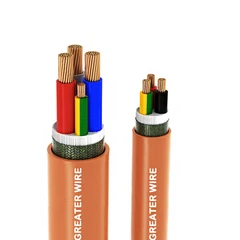
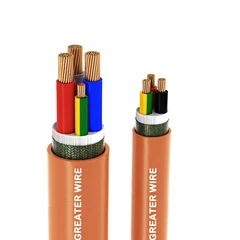

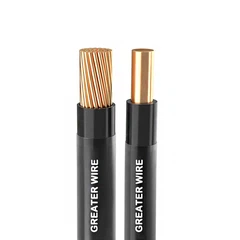
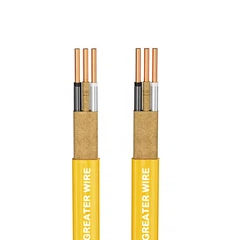
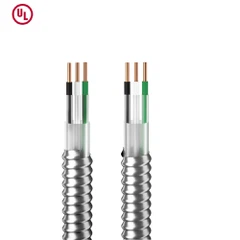



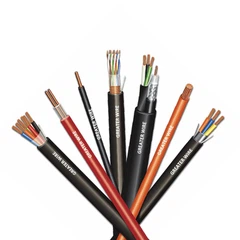
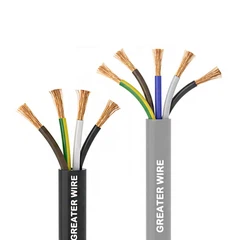
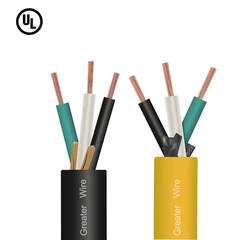
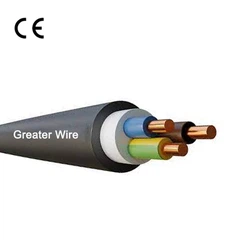
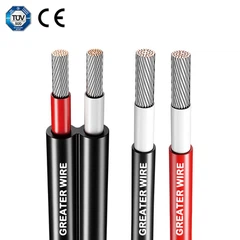

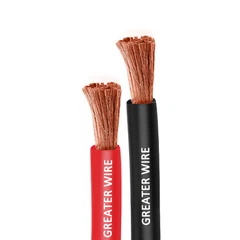
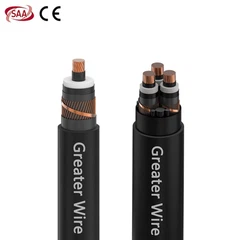
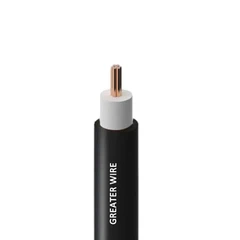

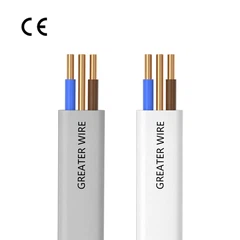
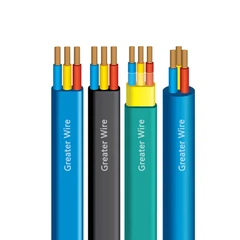
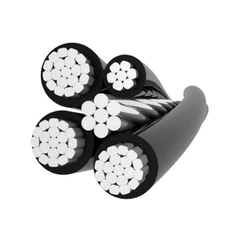
Australian standard heavyduty cable and light duty cable are both Australian standard multi-core flexible cables, and the implementation standard is AS/NZS; 3191:2008, their main differences lie in their voltage, usage, structure, and performance.
Voltage: The rated voltage of Australian standard heavyduty cables\ is 0.6-1KV, and the rated voltage of light duty cable is 250V/440V,
Usage: Australian standard Heavy duty cable are typically used in applications that require significant tensile or compressive strength, such as the construction of infrastructure such as buildings, bridges, and highways. In contrast, light duty cable are more suitable for general electrical wiring, household wiring, and other situations where the mechanical strength requirements for cables are not high.
Structure: Heavy duty cable are designed to be more robust, typically with thicker insulation and sheathing to withstand harsh environments and usage conditions. Light duty cable are more lightweight, with thinner insulation and sheath, making them easier to install and arrange.
Performance: Due to the emphasis on durability and mechanical strength in the design of heavy duty cable, they are typically able to operate stably for extended periods of time in more harsh environmental conditions. light duty cable place greater emphasis on electrical performance and cost-effectiveness, making them suitable for general electrical wiring needs.
In general, the choice between using Australian standard heavyduty cables or light duty cable should be determined based on specific application scenarios and requirements. For situations that require significant mechanical stress, heavy duty cable should be selected; For general electrical wiring needs, Australian standard light duty cable are a more economical and practical option.
